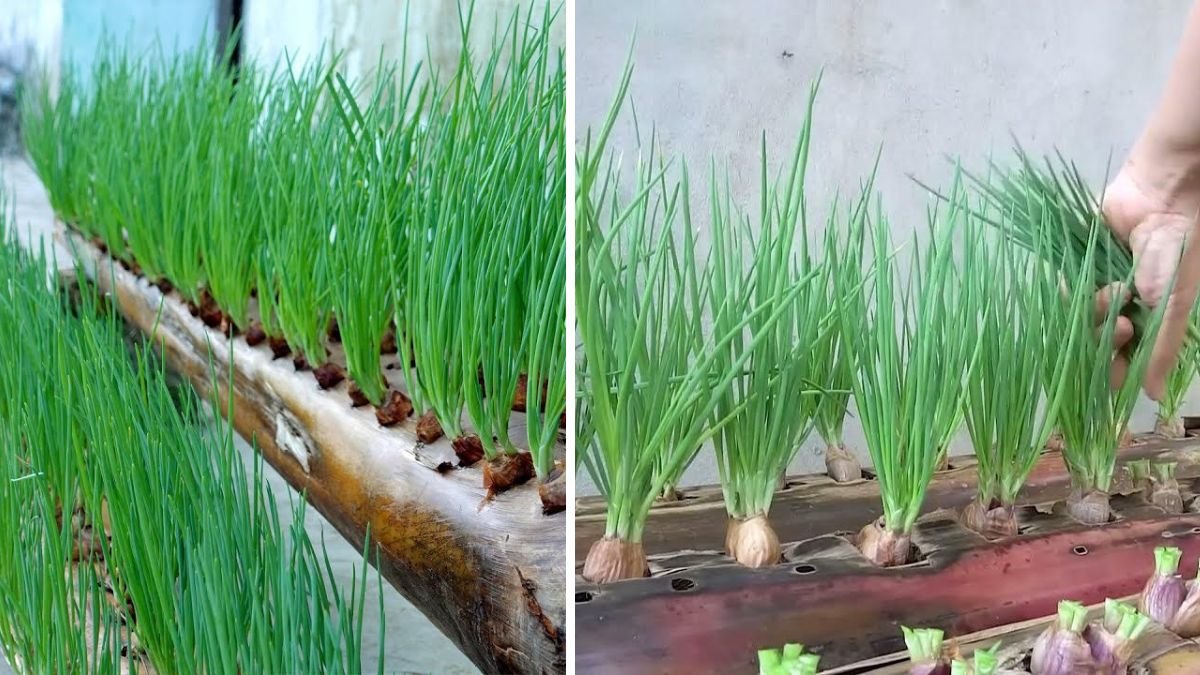

Introduction: When Gardening Gets Creative
Gardening has always been a mix of tradition and experimentation, but in recent years, creative hacks shared across social media have pushed home growing into exciting new territory. One of the most talked-about and unusual ideas gaining attention is growing onions in a banana tree. At first glance, the concept sounds almost impossible — onions are root vegetables, while banana trees are tall, leafy tropical plants. Yet gardeners around the world are experimenting with this combination, turning banana stems into living planters and vertical growing systems.
This trend isn’t coming from agricultural textbooks but from innovative gardeners, DIY enthusiasts, and content creators looking to maximize space, reuse organic material, and test unconventional growing methods. In this article, we’ll explore the background of this trend, how it works, why people are trying it, and whether it’s truly practical — all while diving deep into the creativity behind [FOCUS KEYWORD].
Background: Where Did the Idea Come From?
The idea of growing onions in or on banana trees emerged primarily from viral gardening videos and experimental home gardens. These clips often show onion bulbs or seedlings attached to banana tree trunks, planted in pockets cut into banana stems, or placed in small containers tied to the tree. The appeal lies in the novelty and sustainability aspect — banana stems are soft, moisture-retentive, and biodegradable, making them an attractive medium for experimentation.
Banana plants are technically large herbs, not trees, and their stems (called pseudostems) are made of tightly packed leaf sheaths. After fruiting, banana stems are often cut down and discarded, which has inspired gardeners to repurpose them as natural compost or planters. Pairing onions with banana plants fits perfectly into the growing trend of zero-waste gardening and vertical growing systems.
Why Combine Onions and Banana Trees?
1. Maximizing Garden Space
Urban gardeners and small-space growers are constantly looking for ways to grow more food in limited areas. Using the vertical space of a banana tree allows onions to grow without taking up ground space, making this idea particularly attractive for balconies, patios, and compact gardens.
2. Reusing Organic Material
Banana stems retain moisture exceptionally well and decompose slowly, releasing nutrients back into the environment. Gardeners experimenting with [FOCUS KEYWORD] often view banana stems as natural, biodegradable containers that reduce the need for plastic pots.
3. A Moist Growing Environment
Onions prefer consistent moisture, especially during early growth stages. Banana stems naturally hold water, which can help prevent onion roots from drying out too quickly, particularly in warm climates.
4. Visual Appeal and Novelty
Let’s be honest — part of the appeal is how cool it looks. Onions sprouting from the side of a banana tree create a striking visual that’s perfect for social media, garden blogs, and creative inspiration.
Creative Methods for Growing Onions in a Banana Tree
There isn’t just one way gardeners are experimenting with this technique. Here are the most popular and creative approaches seen online and in home gardens.
Growing Onions in Banana Stem Pockets
One method involves cutting small holes or pockets into a banana stem and filling them with light compost or coconut coir. Onion bulbs or seedlings are placed inside, where they can root into the moist plant tissue. This method works best with banana stems that have already fruited or been cut down.
Attaching Containers to the Banana Trunk
Another approach uses small mesh baskets, biodegradable pots, or recycled containers tied to the banana tree trunk. These containers hold onion sets and a light growing medium, while the banana tree acts as a support structure.
Soil-Free or Minimal-Soil Experiments
Some gardeners go a step further by growing onions with little to no soil, using moss, coir, or compost wrapped around the bulb and secured to the banana stem. While unconventional, this method highlights the experimental nature of [FOCUS KEYWORD].
Companion Planting at the Base
Not all versions are fully vertical. Some gardeners plant onions around the base of banana trees, using the shade and moisture retention of the banana plant while keeping onions in traditional soil. This approach blends creativity with practicality.
Is Growing Onions in a Banana Tree Actually Practical?
From a scientific and agricultural standpoint, onions have specific growing requirements. They need loose, well-draining soil, adequate sunlight (usually 6–8 hours per day), and consistent but not excessive moisture to form healthy bulbs. Banana trees, on the other hand, are heavy feeders and require rich soil and plenty of water.
Because of these differences, growing full-sized storage onions directly in banana stems is not considered a reliable or commercial method. However, that doesn’t mean the idea has no value.
What Works Best
- Green onions or scallions
- Perennial or walking onions
- Onion tops grown for greens rather than bulbs
These varieties are more forgiving and adaptable, making them better candidates for experimental growing methods.
What to Expect
Gardeners trying [FOCUS KEYWORD] should view it as a fun experiment rather than a guaranteed way to produce large onion bulbs. Success often depends on climate, sunlight exposure, and how well moisture and nutrients are managed.
Step-by-Step Guide: How to Try It Yourself
If you’re curious and want to experiment, here’s a simple method that balances creativity with plant health.
- Choose a healthy banana plant or recently cut banana stem.
- Select onion sets or green onion seedlings.
- Prepare a light growing medium using compost and coconut coir.
- Create small planting pockets or use biodegradable containers tied to the stem.
- Place onions so roots are supported but not waterlogged.
- Ensure the setup receives adequate sunlight.
- Water regularly and monitor growth.
This method works especially well in warm, humid climates where banana plants thrive naturally.
Benefits and Drawbacks of This Gardening Hack
Benefits
- Encourages creative and sustainable gardening
- Maximizes vertical space
- Reduces waste by reusing banana stems
- Great for educational and experimental gardens
Drawbacks
- Not ideal for producing large onion bulbs
- Requires frequent monitoring
- Results can be inconsistent
- More novelty than necessity
Why This Trend Matters in Modern Gardening
The popularity of growing onions in a banana tree reflects a broader shift in gardening culture. People are no longer just growing food — they’re exploring sustainability, creativity, and self-sufficiency. Trends like [FOCUS KEYWORD] inspire gardeners to think differently about plants, space, and resources, even if the methods aren’t always conventional.
These experiments also spark curiosity, leading gardeners to learn more about plant biology, soil health, and companion planting. In that sense, even a “crazy” gardening idea can have real educational value.
Authoritative Sources for Further Reading
To deepen your understanding and add credibility to your research, consider exploring:
- Agricultural guides on onion cultivation
- University extension resources on banana plant care
- Botanical references on perennial and walking onions
- Sustainable gardening and composting studies
These sources help bridge the gap between viral gardening trends and proven horticultural science.
Conclusion: A Creative Experiment Worth Trying
Growing onions in a banana tree may never replace traditional gardening methods, but it perfectly represents the spirit of modern, experimental gardening. It’s creative, visually striking, and rooted in sustainability. Whether you’re an experienced gardener or a curious beginner, [FOCUS KEYWORD] offers a fun way to rethink how and where food can grow.
Sometimes, the best gardening ideas aren’t about perfection — they’re about curiosity, creativity, and enjoying the process.