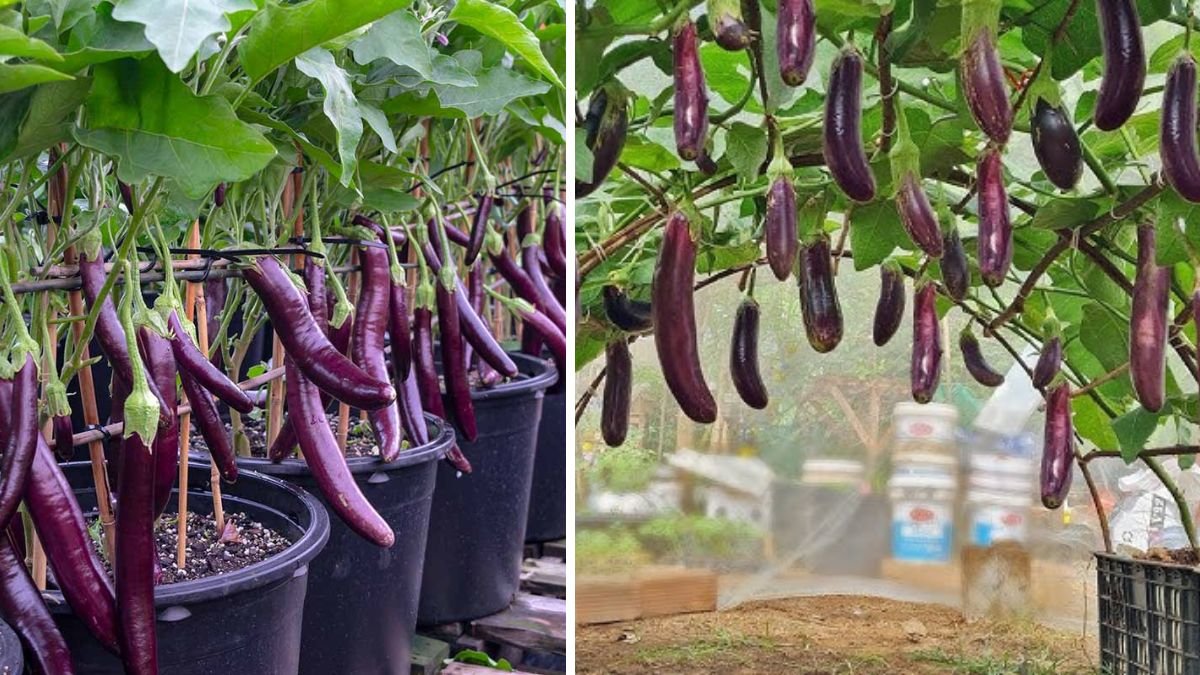

Eggplants, also known as brinjals, are a versatile and nutritious vegetable that feature in cuisines worldwide. Many people assume that growing eggplant requires a large garden or outdoor plot, but that’s no longer true. With modern container gardening techniques, even urban dwellers can enjoy growing eggplant at home and harvesting multiple fruits per plant, all without a traditional garden.
This guide will walk you through the process, provide tips for high yield, and highlight expert insights and innovations that make eggplant cultivation easier than ever.
Why Home Eggplant Growing Is Trending
Urban gardening is on the rise, with many households embracing small-space solutions for fresh produce. Eggplants are perfect for container gardening because they thrive in warm, sunny conditions and are highly productive. Recent trends show that even people with minimal outdoor space — balconies, rooftops, or small patios — can grow high-yielding eggplant plants using pots or grow bags.
In fact, a growing number of urban gardeners are transforming their homes into miniature vegetable gardens. One example from India reported a homeowner growing over 50 different vegetables, including eggplants, in containers and pots, proving that a traditional garden is not necessary for a productive harvest (ABP Live, 2025).
Growing eggplant at home has become increasingly popular due to:
- Ease of care: Eggplants are resilient and adaptable to containers.
- High yield potential: Properly maintained plants can produce multiple fruits throughout the season.
- Urban adaptability: Even small spaces can be converted into productive growing areas.
Benefits of Growing Eggplant at Home
Homegrown eggplants offer multiple advantages over store-bought varieties:
- Freshness and taste: Nothing compares to freshly harvested eggplants, which are juicier and more flavorful.
- Nutritional value: Eggplants are rich in fiber, antioxidants, and essential vitamins, supporting a healthy diet.
- Cost-effective: Growing your own vegetables reduces reliance on grocery stores and helps cut costs.
- Organic control: You decide what goes into your soil and onto your plants, ensuring chemical-free produce.
- Satisfaction and learning: Gardening can be therapeutic, reducing stress and increasing awareness of food sources.
Container and balcony-friendly eggplants are particularly well-suited to urban households, demonstrating that you don’t need a large garden to enjoy this nutritious vegetable.
Step-by-Step Guide to Growing Eggplant at Home
Even beginners can successfully grow eggplant at home with the right techniques.
Step 1: Choose the Right Container
Eggplants require space for roots to develop. Use a large container or grow bag, ideally 18–24 inches deep and wide, with adequate drainage holes to prevent waterlogging. Dark-colored containers help absorb heat and keep the soil warm, promoting faster growth and flowering (Old Farmer’s Almanac, 2025).
Step 2: Select a Sunny Spot
Eggplants thrive in warm temperatures and need 6–8 hours of direct sunlight daily. Balconies, terraces, or sunny patios are ideal. If sunlight is limited, you can use grow lights to supplement natural light indoors.
Step 3: Prepare the Soil
Use rich, well-draining potting soil. Mixing in compost or organic fertilizer improves soil fertility and encourages healthy root development. Avoid compacted or clay-heavy soil, which can stunt growth.
Step 4: Plant Seeds or Transplants
Eggplants can be grown from seeds started indoors 6–8 weeks before planting outside, or you can purchase nursery transplants. Seedlings prefer warm temperatures above 21°C (70°F) to establish roots and start flowering quickly.
Step 5: Watering and Mulching
Eggplants need consistent moisture but should not sit in soggy soil. Water regularly, ensuring the soil remains damp. Adding mulch helps retain moisture, regulate temperature, and suppress weeds in container setups.
Step 6: Stake the Plants
Eggplant stems can become heavy as fruits develop. Supporting your plants with stakes or small cages prevents breakage and keeps fruits off the soil, reducing pest and disease risks.
Step 7: Prune for Productivity
Pruning crowded branches or pinching off extra flowers can redirect the plant’s energy to produce larger, healthier fruits. Regular maintenance maximizes your yield.
Tips for High Yield and Many Fruits
To get the most out of your eggplant plants, follow these expert recommendations:
- Ensure full sun exposure: Strong sunlight is essential for flowering and fruit development.
- Use balanced fertilizer: Feed plants with organic or synthetic fertilizer every few weeks to maintain vigor.
- Maintain proper spacing: Even in containers, avoid overcrowding. A single plant per pot ensures it receives enough nutrients and sunlight.
- Harvest regularly: Picking mature fruits promptly encourages the plant to produce more flowers and fruits.
Expert Insights and Innovations
Agricultural experts and home gardeners have developed innovative methods to increase eggplant productivity in small spaces:
- Container gardening techniques allow high yields without a traditional garden bed, making eggplants accessible to urban households.
- Vertical gardening and tiered setups optimize small spaces, enabling multiple plants to grow efficiently.
- Controlled indoor environments with grow lights can extend the growing season, allowing fruiting even during cooler months (Old Farmer’s Almanac, 2025).
These advancements show that home eggplant cultivation can be both productive and convenient, opening opportunities for gardeners with limited space.
Common Mistakes to Avoid
Even with container gardening, there are pitfalls to watch for:
- Overwatering: Can cause root rot and fungal infections.
- Poor soil quality: Leads to small, underdeveloped fruits.
- Inadequate sunlight: Eggplants require direct sunlight for proper growth.
- Neglecting support: Heavy fruits can break stems if plants aren’t staked or caged.
- Ignoring pruning: Crowded branches reduce airflow and lower productivity.
Avoiding these mistakes ensures your plants stay healthy and productive throughout the season.
Authoritative Resources
For more in-depth information and gardening guidance, consider these trusted sources:
- Old Farmer’s Almanac – Eggplant Guide: Provides detailed planting, spacing, and care advice (almanac.com)
- Homes & Gardens Vegetable Growing Guides: Offers practical tips for container-grown eggplants (homesandgardens.com)
- University Extension Services: Regional advice for urban and container gardening.
Success Stories for Inspiration
Urban gardeners are proving that high-yield eggplant cultivation is possible even in tiny spaces. For instance, a homeowner in Kerala grew over 50 different vegetables, including eggplant, entirely in containers and pots. These stories highlight that creativity, care, and proper techniques can turn small urban spaces into productive, food-growing areas (ABP Live, 2025).
Conclusion
Growing eggplant at home is now accessible to anyone, even without a traditional garden. With the right container, soil, sunlight, and care techniques, you can enjoy many fruits and high yields in small spaces. From urban balconies to sunny patios, eggplants adapt well to container setups and reward gardeners with nutritious, flavorful produce.
By following these guidelines and learning from expert insights, anyone can experience the joy of harvesting homegrown eggplants. Start small, care consistently, and watch your plants thrive — your productive, fruit-laden eggplant plants are within reach!