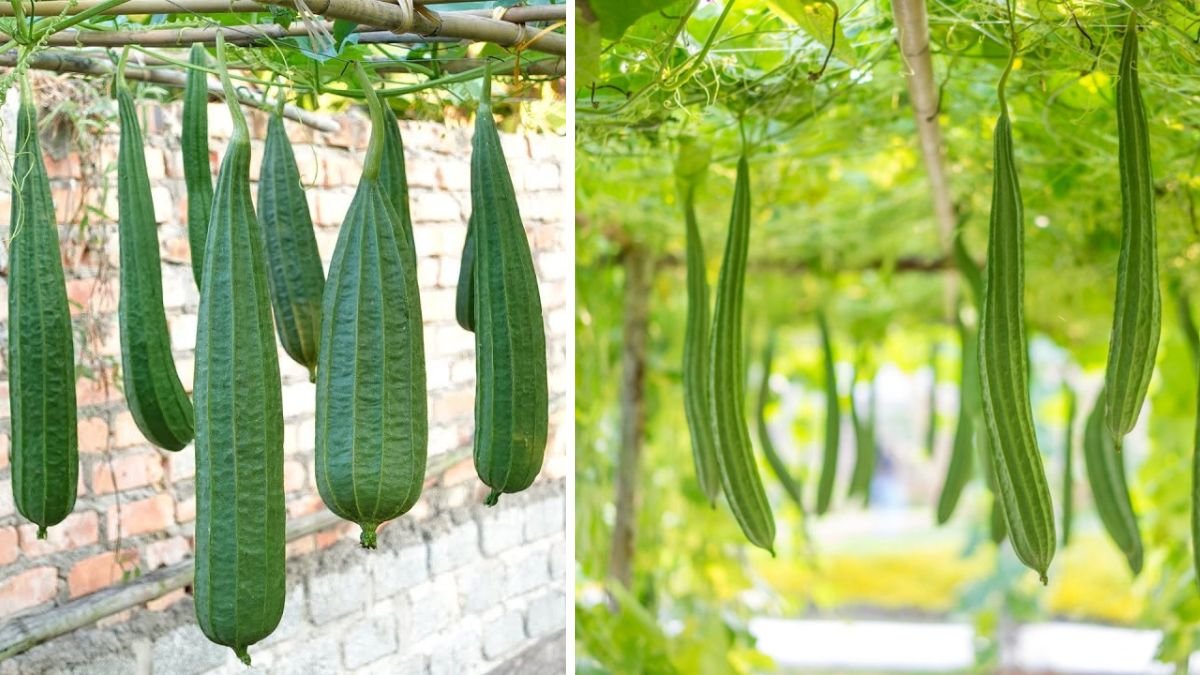

Growing angled luffa at home is becoming increasingly popular among home gardeners who want an easy, productive, and multi-purpose plant. Also known as ridged gourd (Luffa acutangula), angled luffa is valued both as a nutritious vegetable when harvested young and as a natural sponge when allowed to mature. With the right techniques, growing angled luffa at home easy and with lots of fruit is absolutely achievable—even for beginners.
Inspired by practical home-growing demonstrations such as those shared by TEO Garden, this guide walks you through everything you need to know, from soil preparation to harvesting, so you can enjoy a healthy plant and an abundant harvest.
What Is Angled Luffa and Why Grow It?
Angled luffa is a fast-growing climbing vine from the cucurbit family, closely related to cucumbers, squash, and pumpkins. Unlike smooth loofah, angled luffa has distinctive ridges along the fruit, grows vigorously, and adapts well to warm climates.
There are several reasons why gardeners love growing angled luffa at home:
- It produces lots of fruit when properly supported
- It thrives in small spaces using vertical trellises
- Young fruits are delicious and widely used in Asian cuisine
- Mature fruits can be dried into eco-friendly sponges
- The plant grows quickly and looks lush and decorative
With a long growing season and warm temperatures, angled luffa can produce continuously for months.
Best Climate and Growing Conditions
To succeed with growing angled luffa at home easy and with lots of fruit, climate plays a big role.
Angled luffa loves:
- Warm temperatures (above 20°C / 68°F)
- Full sun (6–8 hours daily)
- Long growing seasons
If you live in a cooler region, starting seeds early indoors is highly recommended. Luffa plants do not tolerate frost, so always transplant outdoors only after the danger of frost has passed.
Soil Preparation for Maximum Yield
Healthy soil is the foundation of a productive luffa plant.
Ideal Soil Conditions
- Well-draining, loose soil
- Rich in organic matter
- Slightly acidic to neutral pH (6.0–6.8)
Before planting, mix compost or well-rotted manure into the soil. This provides essential nutrients and improves moisture retention without waterlogging the roots.
Avoid heavy clay soil unless amended, as poor drainage can stunt growth and reduce fruit production.
Starting Angled Luffa from Seed
Angled luffa is most commonly grown from seed.
Seed Starting Tips
- Soak seeds in warm water for 12–24 hours to speed up germination
- Sow seeds about 2–3 cm (1 inch) deep
- Start seeds indoors 6–8 weeks before the last frost if needed
Seeds usually germinate within 7–14 days under warm conditions.
Once seedlings develop strong roots and at least two true leaves, they are ready for transplanting.
Transplanting and Plant Spacing
When moving seedlings outdoors, spacing is critical for airflow and fruit production.
Recommended Spacing
- 90–100 cm (3 feet) between plants
- Rows spaced at least 1.2–1.5 meters apart
Crowded plants lead to excessive leaf growth, poor air circulation, and fewer fruits.
Choose a sunny location with good airflow to reduce pests and fungal problems.
Trellis Setup: The Secret to Lots of Fruit
One of the most important steps in growing angled luffa at home easy and with lots of fruit is using a strong trellis.
Angled luffa vines can grow up to 9 meters (30 feet), and unsupported plants often produce misshapen or rotting fruits.
Best Trellis Options
- Bamboo frames
- Wire fencing
- Pergolas or arches
- Strong vertical garden netting
Train vines upward as they grow. Hanging fruits develop straighter, healthier shapes and are less likely to be damaged by pests.
Watering and Feeding Schedule
Consistent watering is essential, especially during flowering and fruiting stages.
Watering Tips
- Water deeply 1–2 times per week
- Keep soil moist but never soggy
- Increase watering during hot or dry weather
Fertilizing for High Yield
- Use compost or organic fertilizer before planting
- Apply balanced fertilizer during flowering
- Avoid excess nitrogen, which causes leaf growth but fewer fruits
A plant that receives steady nutrition will reward you with continuous fruiting.
Pollination: Ensuring Fruit Formation
Angled luffa plants produce separate male and female flowers. Bees and other pollinators usually do the job naturally, but poor pollination can reduce yield.
How to Improve Pollination
- Grow pollinator-friendly flowers nearby
- Avoid spraying pesticides during flowering
- Hand-pollinate if necessary by transferring pollen from male to female flowers
Female flowers can be identified by the tiny fruit behind the bloom.
Pruning and Maintenance Tips
Light pruning helps focus the plant’s energy on fruit production.
- Remove damaged or diseased leaves
- Guide vines along the trellis weekly
- Remove excessive side shoots if growth becomes too dense
Mulching around the base helps retain moisture, regulate soil temperature, and suppress weeds.
Common Problems and How to Avoid Them
Even though angled luffa is hardy, a few issues can arise:
Common Mistakes
- Overwatering causing root rot
- Poor trellis support leading to broken vines
- Too much nitrogen fertilizer
- Insufficient sunlight
Pests and Diseases
- Aphids and whiteflies
- Powdery mildew in humid conditions
Good airflow, proper spacing, and organic pest control methods keep most problems under control.
Harvesting Angled Luffa
How you harvest depends on your intended use.
For Eating
- Harvest fruits young (15–25 cm long)
- Skin should be tender and bright green
- Use like squash or stir-fried vegetables
For Sponges
- Leave fruits on the vine until skin turns brown
- Fruit becomes lightweight and dry
- Seeds rattle inside when shaken
Peel, rinse, and dry the mature luffa to reveal the natural sponge inside.
Why TEO Garden’s Method Works
The success shown by TEO Garden highlights a few key principles:
- Strong vertical support
- Rich organic soil
- Consistent watering
- Patience with the long growing season
Following these basics makes growing angled luffa at home easy and with lots of fruit achievable for anyone.
Final Thoughts
Angled luffa is one of the most rewarding plants you can grow at home. It’s productive, versatile, and surprisingly easy once you understand its needs. With proper soil preparation, strong trellising, regular watering, and good pollination, you can enjoy months of fresh vegetables—and even harvest natural sponges at the end of the season.
If you’re looking for a plant that offers both food and sustainability, angled luffa deserves a spot in your home garden.