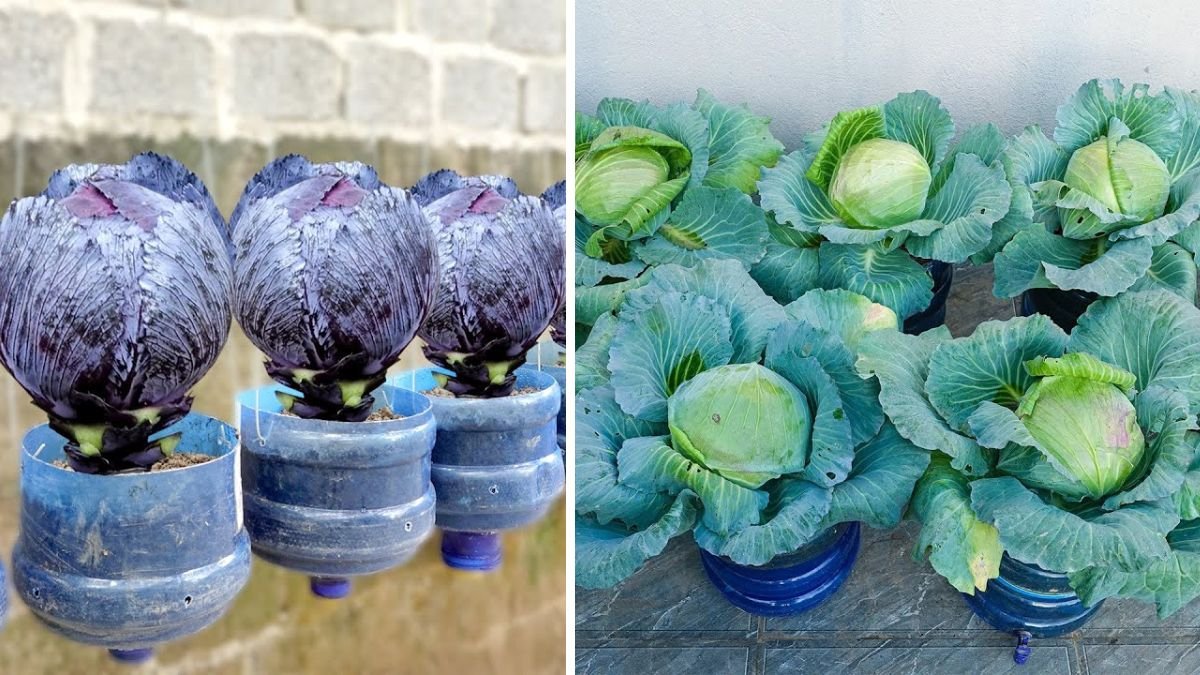

Introduction: The Rise of Specialty Cabbages in Home Gardening
Cabbage has long been a staple in home gardens, but gardeners today are exploring beyond the standard green varieties. Queen cabbage, along with dark or red cabbages, is gaining popularity for its vibrant color, strong flavor, and unique texture. These specialty cabbages are part of the Brassica family, which includes all cabbages, kale, and broccoli. They offer both aesthetic appeal and culinary versatility, making them ideal for home growers interested in adding something new to their garden beds or containers.
Urban gardeners and small-space growers are particularly drawn to these varieties because they thrive in cool seasons, require moderate care, and can produce nutrient-dense leaves and heads in a relatively short growing period. This guide will provide everything you need to know to successfully grow queen cabbage and other specialty cabbages at home, from planting to harvesting.
What Is Queen Cabbage and Specialty Cabbage?
Queen cabbage is a hybrid variety, often labeled as Queen F1, which is bred for vigorous growth, consistent head formation, and robust flavor. These hybrids are ideal for home gardeners because they combine disease resistance with a dependable yield, producing firm, tight heads that mature faster than many traditional varieties.
Specialty cabbages include dark or red cabbage, Savoy cabbage, and heirloom types. These varieties are prized for:
- Color: Deep purple, burgundy, or dark green leaves.
- Texture: Tender, crinkled, or ruffled leaves ideal for salads, wraps, and cooking.
- Flavor: A stronger, sometimes sweeter flavor profile compared to standard green cabbage.
These cabbages not only enhance the visual appeal of your garden but also provide superior nutritional content. Red and dark cabbages, for instance, are rich in anthocyanins — antioxidants that give the leaves their vibrant color and health benefits.
Why Grow Specialty Cabbages at Home?
Growing queen and specialty cabbages at home is increasingly popular for several reasons:
- Nutritional Benefits: Rich in vitamins C and K, fiber, and antioxidants.
- Unique Flavors & Colors: Brighten salads, slaws, and cooked dishes.
- Urban Gardening Compatibility: Thrives in containers, balcony gardens, and small plots.
- Garden Diversity: Enhances the genetic and visual variety of your vegetable garden.
- Chemical-Free Produce: Homegrown cabbages allow control over pesticides and fertilizers.
By growing these specialty varieties, gardeners can enjoy fresh, flavorful, and visually appealing vegetables year-round, even in limited spaces.
Selecting the Right Variety
Choosing the right cabbage variety is critical for home success. Here are the most popular options:
1. Queen & Hybrid Varieties
Queen F1 and similar hybrids are designed for uniformity and productivity. They produce large, firm heads suitable for cooking or raw consumption. These varieties are beginner-friendly and are resistant to common diseases.
2. Dark or Red Cabbages
Red and dark cabbages stand out for their deep coloration and bold flavor. They are ideal for salads, coleslaws, and fermented dishes like sauerkraut or kimchi. Their high anthocyanin content also makes them nutritionally superior.
3. Savoy & Heirloom Types
Savoy cabbages are recognized for their crinkled, tender leaves and mild flavor. They are often used in gourmet recipes and wraps. Heirloom varieties preserve traditional flavors and textures, offering unique gardening experiences.
How to Grow Queen and Specialty Cabbages at Home
Cabbage is a cool-season crop that performs best in moderate temperatures. With proper planning, you can grow these cabbages in the backyard or even in containers.
Step 1: Soil & Site Selection
Cabbages require well-draining, fertile soil rich in organic matter. Incorporate compost or aged manure into the planting area to boost fertility. Choose a location with 6–8 hours of sunlight per day. Good sunlight promotes healthy leaf growth and head development.
Step 2: Starting Seeds
You can start seeds indoors 6–8 weeks before the last frost date. Transplant seedlings outdoors when they reach 4–6 inches in height. If you prefer, direct sowing outdoors is possible once the soil is workable. Cooler temperatures favor leafy growth and prevent bolting.
Step 3: Spacing and Planting
Space cabbage seedlings 18–24 inches apart with rows 24–30 inches apart. Proper spacing ensures adequate air circulation, which reduces the risk of disease and encourages the development of large, firm heads.
Step 4: Watering & Fertilization
Cabbage is a heavy feeder and requires consistent moisture. Water regularly to keep the soil evenly moist, but avoid waterlogging. Supplement with compost or balanced fertilizer every 2–3 weeks to maintain nutrient-rich soil.
Step 5: Pest and Disease Management
Common pests include cabbage worms, aphids, and flea beetles. Protect your plants using row covers, neem oil, or organic insecticidal sprays. Rotate crops annually to reduce soil-borne diseases. Mulching helps conserve soil moisture and limits weed growth.
Step 6: Harvesting
Queen and specialty cabbages typically mature in 70–100 days, depending on the variety. Harvest when heads are firm and fully formed. For a longer harvest, practice the “cut-and-come-again” method: pick outer leaves first and allow the inner leaves to continue growing.
Tips for Successful Home Cabbage Cultivation
- Container Gardening: Deep containers (12 inches or more) with high-quality potting mix work well for balconies and small gardens.
- Cool-Season Planting: Spring and fall are the best planting times; avoid hot summer months to prevent bolting.
- Crop Rotation: Change planting locations each year to prevent soil depletion and disease buildup.
- Mulch & Watering: Use organic mulch to maintain soil moisture and reduce weeds. Consistent watering is key to tender leaves and firm heads.
Uses for Queen and Specialty Cabbages
Specialty cabbages are versatile in the kitchen:
- Salads & Coleslaws: Red and dark cabbages add color and crunch.
- Fermented Dishes: Perfect for kimchi, sauerkraut, and pickles.
- Cooking: Braise, roast, or sauté for rich flavors.
- Wraps & Rolls: Large leaves from Queen or Savoy cabbages make healthy, delicious wraps.
Their deep colors and tender textures make them not just functional but visually appealing for any dish.
Authoritative Sources to Bookmark
For deeper insights and guidance, refer to these reputable sources:
- Royal Horticultural Society – Growing Cabbage Guide: Comprehensive tips for home gardeners (rhs.org.uk)
- University of Minnesota Extension – Cabbage Cultivation: Detailed planting and care advice (extension.umn.edu)
- Homes & Gardens – Container Gardening: Practical advice for small spaces (homesandgardens.com)
- NC State Extension – Specialty Brassicas: Information on ornamental and edible specialty cabbages (brunswick.ces.ncsu.edu)
Conclusion
Growing queen cabbage and other dark or specialty cabbages at home is both rewarding and practical. These varieties provide vibrant colors, rich flavors, and nutrient-dense leaves that enhance meals and offer a fresh alternative to store-bought greens.
Whether you are gardening in a backyard plot, on a balcony, or using containers, proper planning, cool-season planting, and consistent care will help you achieve healthy, flavorful crops. By experimenting with hybrid, heirloom, and specialty cabbages, home gardeners can enjoy a diverse and visually appealing harvest, right from their garden to the table.
Start small, select the right varieties, follow care instructions carefully, and you’ll enjoy the satisfaction of growing beautiful, nutrient-rich cabbages at home — a delicious and sustainable addition to your urban garden.