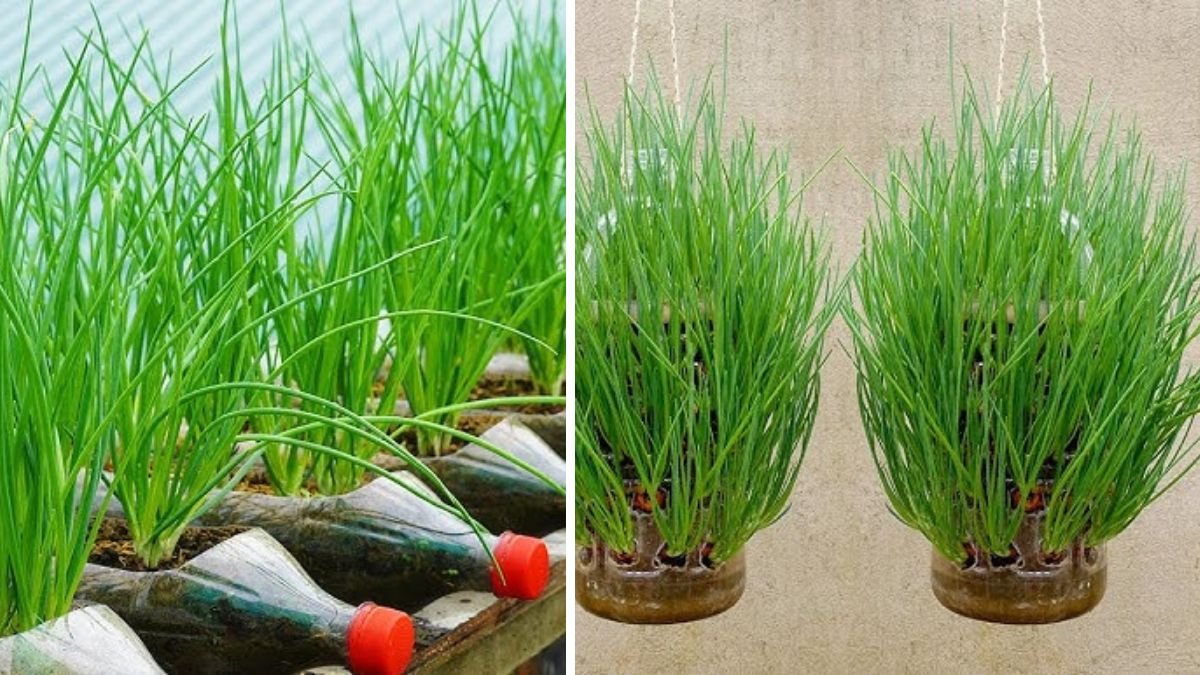

Growing your own vegetables doesn’t require a backyard, expensive tools, or years of gardening experience. With just a few plastic bottles, basic soil, and sunlight, anyone can grow and harvest onions at home. This method is especially popular among urban gardeners, apartment dwellers, and eco-conscious individuals looking to reuse household waste productively.
The [FOCUS KEYWORD] trend has gained attention because it combines sustainability, simplicity, and food security. Plastic bottle gardening is a practical way to reduce waste while producing fresh, chemical-free onions right at home. Whether you want green onions for everyday cooking or full bulb onions for storage, this method is easy to follow and surprisingly effective.
Why Grow Onions in Plastic Bottles?
Plastic bottles are widely available, lightweight, and easy to modify. Instead of throwing them away, repurposing them as plant containers helps reduce plastic waste while creating a functional growing system. Onions are particularly well-suited for container gardening because they have shallow root systems and do not require deep soil.
This method is ideal for people with limited space, such as balconies, windowsills, rooftops, or small patios. It also allows gardeners to control soil quality, drainage, and watering more effectively than traditional ground planting. As interest in sustainable living and home food production grows, plastic bottle gardening has become a smart and accessible solution.
Materials You’ll Need
To get started, you only need a few basic items, most of which are already available at home:
- Clean plastic bottles (1–2 liter bottles work best)
- Potting soil or loose garden soil
- Onion seeds, onion sets, or onion scraps
- A sharp knife or scissors
- Water
- A sunny location with at least 5–6 hours of sunlight daily
Using recycled bottles keeps costs low and makes this project beginner-friendly. If possible, choose food-grade plastic bottles and replace them after a growing season to avoid long-term sun damage.
Preparing the Plastic Bottles
Start by washing the plastic bottles thoroughly and removing any labels. Cut each bottle horizontally, leaving enough depth at the bottom to hold soil. Make several small holes in the bottom for drainage, as onions do not tolerate waterlogged soil.
If you want to get creative, you can also cut side openings in vertically standing bottles to grow multiple onions in one container. Proper drainage is essential to prevent root rot and encourage healthy bulb development.
Once prepared, place the bottles on trays or hang them securely if using vertical setups.
Planting Onions in Plastic Bottles
Fill the bottom portion of each bottle with loose, well-draining soil. Avoid compacting the soil too tightly, as onion roots need air circulation. Plant onion seeds about 1–2 centimeters deep, or place onion sets just beneath the soil surface with the pointed end facing upward.
If you’re growing green onions from scraps, simply place the white root end into the soil, leaving the green shoots exposed. Water gently after planting until the soil is evenly moist but not soaked.
Spacing is important. Each bottle should ideally contain one onion set or a small cluster of green onions to allow enough room for growth.
Sunlight and Placement
Onions thrive in sunlight. Place your plastic bottle planters in a location that receives at least five to six hours of direct sunlight per day. A sunny balcony, windowsill, or rooftop works well.
Rotate the bottles occasionally so that all sides receive equal light. Because plastic can heat up quickly, monitor soil temperature during hot weather and move bottles to partial shade if necessary.
Watering and Ongoing Care
Plastic bottles tend to dry out faster than garden beds, so regular watering is important. Check the soil every few days and water when the top layer feels dry. Avoid overwatering, as excess moisture can lead to fungal problems.
You can enhance moisture control by creating a simple self-watering system using a wick or inverted bottle top. Adding compost or organic fertilizer once every few weeks can also help support healthy leaf and bulb development.
Keep an eye out for yellowing leaves, which may indicate nutrient deficiencies or overwatering.
Growth Timeline and What to Expect
Green onions grow quickly and can be harvested within three to four weeks. Simply cut the leaves as needed, leaving the roots intact so the plant continues producing new growth.
Bulb onions take longer, usually between 90 and 120 days. During this time, you’ll notice thick green tops forming above the soil. As the onions mature, the leaves will begin to yellow and fall over, signaling that harvest time is near.
Harvesting Your Onions
When the tops of bulb onions turn yellow and collapse naturally, stop watering for a few days. Gently loosen the soil and pull the onions out by hand. Allow them to dry in a shaded, well-ventilated area for several days before storage.
For green onions, harvest as needed by trimming the leaves, or pull the entire plant if you want the white bulb portion. One of the advantages of this method is continuous harvesting without replanting every time.
Benefits of Plastic Bottle Onion Gardening
Growing onions in plastic bottles offers multiple advantages:
- Reduces household plastic waste
- Requires minimal space and investment
- Provides fresh, organic produce
- Ideal for beginners and urban gardeners
- Easy to move and manage
- Encourages sustainable living habits
This method also gives gardeners better control over soil quality and pests compared to traditional outdoor gardening.
Health and Safety Considerations
Some concerns exist regarding chemical leaching from plastic when exposed to heat and sunlight. To minimize risks, avoid leaving bottles in extreme heat for extended periods and replace bottles after one growing season.
If you prefer an alternative, you can apply the same growing method using glass jars, ceramic pots, or food-safe containers while maintaining the same planting principles.
Background: The Rise of Container and Upcycled Gardening
Container gardening has become increasingly popular as urbanization limits access to traditional garden spaces. Gardening experts and sustainability advocates encourage the reuse of household items to grow food at home, reducing dependence on store-bought produce.
Plastic bottle gardening fits perfectly into this movement, offering a simple entry point for people interested in self-sufficiency, environmental responsibility, and healthier eating.
Authoritative Sources to Reference
To strengthen credibility and provide readers with additional guidance, consider linking to:
- The Old Farmer’s Almanac (container gardening and onion care)
- The Spruce (growing onions and green onions)
- Martha Stewart Gardening (harvesting and storage tips)
- Oregon State University Extension (container gardening research)
These sources support the effectiveness and safety of container-based vegetable gardening.
Final Thoughts
The [FOCUS KEYWORD] approach proves that growing your own food doesn’t have to be complicated or expensive. With just a few plastic bottles and basic care, you can enjoy fresh onions year-round while reducing waste and making better use of small spaces.
Whether you’re a beginner gardener or someone looking for sustainable lifestyle changes, growing onions in plastic bottles is a rewarding project that delivers real results with minimal effort.