
Introduction
Growing vegetables at home is a rewarding experience, but many people hesitate because they think they need a garden. The good news? You don’t need acres of soil to cultivate fresh, healthy produce. With beginner-friendly techniques, container gardening, and smart plant choices, anyone can grow their wife’s favorite vegetable—even if they’ve never gardened before.
This guide covers everything from selecting the right vegetable to practical planting tips, watering strategies, and small-space solutions, so you can enjoy fresh homegrown vegetables with minimal effort.
Why Home Vegetable Gardening Is Trending
Urban living, sustainability concerns, and rising food costs are driving more people toward home gardening. Beyond saving money, growing your own vegetables guarantees fresh, chemical-free produce and provides a fun, hands-on way to connect with food.
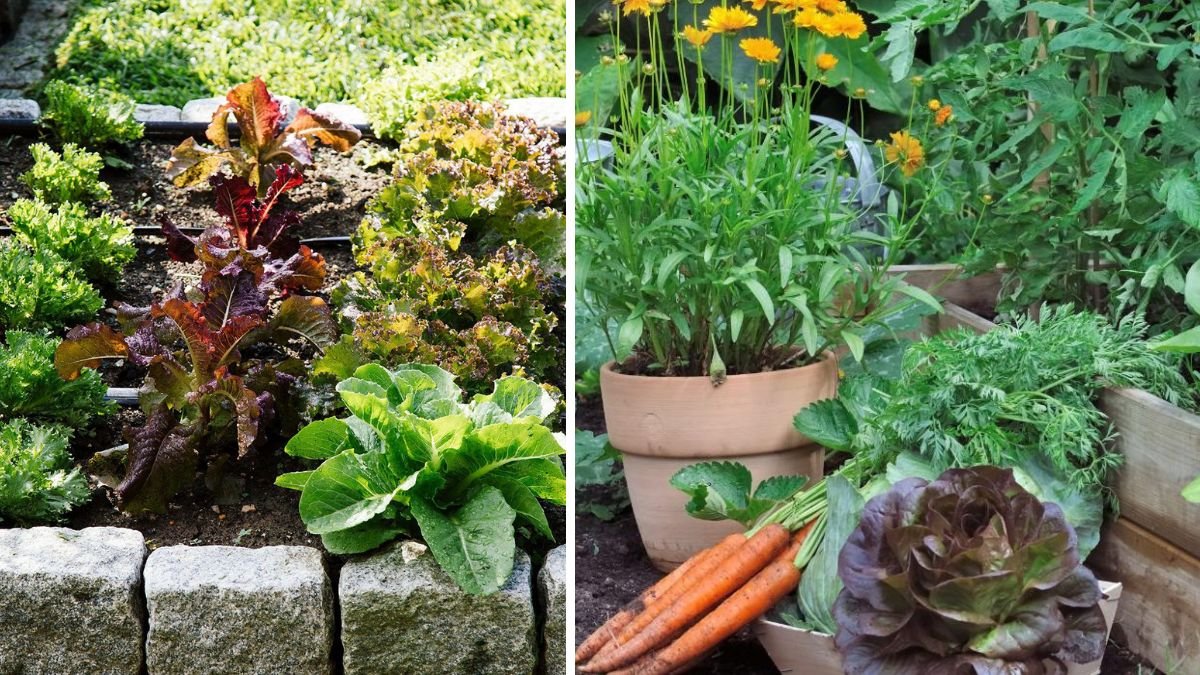
Recent gardening trends highlight small-space cultivation, with many articles recommending container gardening, vertical gardens, and balcony-friendly setups as easy solutions for beginners. These methods allow anyone—even apartment dwellers—to grow vegetables successfully. (Martha Stewart)
For beginners, focusing on simple, forgiving crops makes the gardening journey enjoyable and stress-free.
Choosing the Right Vegetable
The first step in growing a meaningful vegetable garden is choosing your wife’s favorite vegetable. Picking a crop you enjoy ensures motivation, care, and successful harvests. Some vegetables are particularly suited for beginners because they grow quickly, require minimal maintenance, and thrive in containers or small garden plots.
Beginner-Friendly Options:
- Radishes – Grow in just 20–30 days, very forgiving of soil conditions. (Almanac)
- Green Beans – Easy to grow in both soil and containers, with a harvest in 50–60 days.
- Spinach & Swiss Chard – Hardy, repeat-cropping leafy greens ideal for beginners.
- Chillies – Perfect for pots on patios or indoors and great for flavor lovers. (Gardening Know How)
- Cherry Tomatoes – Compact varieties grow well in pots and produce fruit quickly.
💡 Tip: If this is your first attempt, start with radishes or green beans—they are forgiving and fast-growing, giving you a sense of accomplishment early on.
Choosing the Right Location
Even beginner vegetable gardens need proper sunlight, water, and space. The location determines how healthy your plants will grow.
Sunlight
Vegetables typically require 6–8 hours of sunlight per day. South-facing windows, balconies, or patios are ideal. If natural light is limited, consider reflective surfaces or grow lights to supplement indoor setups. (Almanac)
Soil and Containers
Use a high-quality potting mix for containers rather than garden soil. Containers must have drainage holes to prevent waterlogging and root rot. For outdoor planting, enrich soil with organic compost or manure to provide essential nutrients. (Martha Stewart)
For limited spaces, mobile pots or window boxes can be moved to follow sunlight patterns, maximizing growth.
Simple Steps to Start Growing
1. Planting
Begin with seeds for fast-growing vegetables like radishes or green beans. Seeds are cost-effective and provide variety. For slower-growing crops like tomatoes, seedlings or transplants give you a head start. (JiYu Gardening)
2. Watering
Container gardens dry out faster than ground plots, so check soil daily. Keep soil consistently moist but not waterlogged. Overwatering is often more harmful than under-watering. (Martha Stewart)
3. Feeding
After seedlings establish, feed them every few weeks with balanced organic fertilizer or compost tea to encourage healthy growth.
4. Support Structures
Climbing vegetables like beans benefit from trellises or poles. Even simple sticks inserted into pots provide stability and prevent plants from flopping.
Timing and Seasonal Considerations
Planting success often depends on seasonal timing. Root vegetables and leafy greens thrive in cooler months, while warm-season crops like tomatoes and chillies need frost-free conditions.
Suggested plant schedules:
- Spring/Summer: Beans, cucumbers, leafy greens
- Summer/Fall: Chillies, cherry tomatoes
- Autumn/Winter: Spinach, Swiss chard, indoor herbs
Even in small spaces, seasonal planning ensures continuous harvests and minimizes crop failure. (Compo)
Growing Without a Garden
Not having a backyard doesn’t mean you can’t garden. Modern techniques make small-space gardening productive:
- Stacked planters maximize vertical space.
- Hanging baskets for herbs or small vegetables.
- Window sill containers with grow lights for indoor crops.
- Portable pots that can move with the sun or indoor climate changes.
Even with limited space, a well-planned setup can produce as much food as a traditional garden. (Real Simple)
Common Challenges and Solutions
- Limited Space: Use vertical gardens, stacked pots, and balcony planters.
- Nutrient Deficiency: Feed plants regularly with compost or organic fertilizer.
- Pests: Container gardening makes monitoring easier. Handpick pests or use natural remedies like neem oil.
- Motivation: Start small and choose a crop you love to keep interest high.
Sustainability and Health Benefits
Growing vegetables at home reduces packaging waste, lowers carbon emissions, and ensures chemical-free produce. Beyond the tangible benefits, gardening provides mental health rewards: reduced stress, increased mindfulness, and satisfaction from nurturing plants.
By choosing beginner-friendly crops and small-space techniques, even first-time gardeners can cultivate fresh, healthy vegetables with minimal impact on the environment.
Authoritative Sources for Further Reading
- Almanac: Beginner-friendly vegetable planting guide (almanac.com)
- Martha Stewart: Balcony and patio vegetable gardening tips (marthastewart.com)
- JiYu Gardening: Beginner vegetable guide (jiyushe.com)
- Real Simple: Space-saving gardening solutions (realsimple.com)
- Gardening Know How: Indoor chili and vegetable tips (gardeningknowhow.com)
Conclusion
Growing your wife’s favorite vegetable doesn’t have to be intimidating. By selecting beginner-friendly crops, providing adequate sunlight, using containers or vertical systems, and following simple care routines, anyone can cultivate fresh vegetables—even in a small apartment or limited outdoor space.
Starting with small, manageable steps builds confidence and ensures consistent results. With patience, observation, and a bit of creativity, [FOCUS KEYWORD] can transform into a rewarding hobby that provides fresh, homegrown produce and joy for both the gardener and their loved ones.