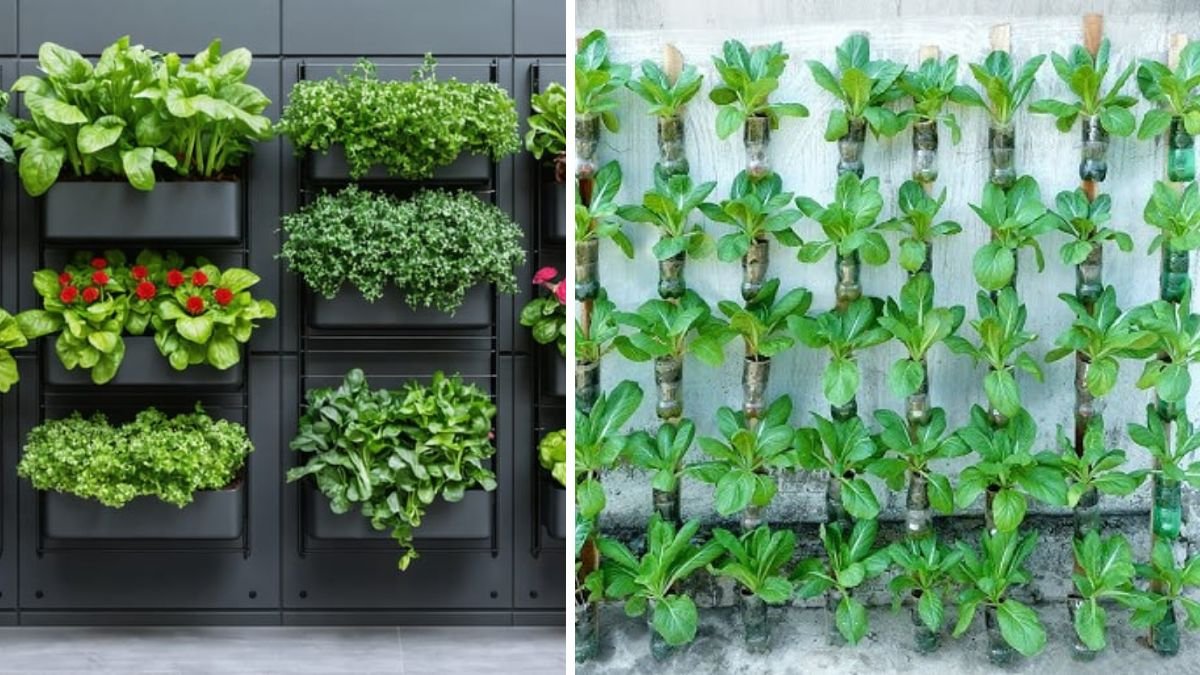

Urban living has changed the way people think about gardening. With shrinking yards, apartment balconies, and compact homes becoming the norm, traditional vegetable gardens are no longer an option for many. This is where the amazing vegetable garden on the wall comes in. Using vertical space instead of horizontal land, wall-mounted vegetable gardens are quickly becoming one of the smartest and most practical gardening solutions for modern lifestyles. If you’re looking for inspiration, sustainability, and fresh produce in limited space, [FOCUS KEYWORD] perfectly captures this growing trend.
The Rise of Wall Vegetable Gardens
Vertical gardening has moved far beyond decorative plants and flowers. In recent years, more gardeners are successfully growing edible crops on walls, fences, and upright structures. Rising food costs, interest in organic produce, and environmental awareness have all contributed to this shift. A vegetable garden on the wall allows people to grow their own food even if they live in apartments, townhouses, or homes with no backyard at all.
What makes this idea especially appealing is its flexibility. Wall gardens can be installed indoors or outdoors, on balconies, terraces, patios, or even kitchen walls with sufficient light. From small DIY setups made with recycled materials to advanced modular systems with built-in irrigation, wall gardens adapt to nearly any space or budget.
What Is an Amazing Vegetable Garden on the Wall?
An amazing vegetable garden on the wall is a vertical growing system where vegetables and herbs are planted in wall-mounted containers, pockets, panels, or trellises. Instead of spreading plants across the ground, the garden grows upward, turning unused wall space into a productive green area.
These systems can be simple, such as hanging pots or fabric pocket planters, or more advanced with structured frames, drip irrigation, and soil-free growing media. The key idea behind [FOCUS KEYWORD] is efficiency—maximizing yield while minimizing space.
Why a Wall Vegetable Garden Is a Great Idea
1. Perfect for Small Spaces
One of the biggest advantages of a wall garden is how little space it requires. A single vertical surface can support dozens of plants, making it ideal for apartments, balconies, and compact homes. Even renters can install temporary or movable systems without damaging walls.
2. Easier Maintenance and Harvesting
Wall gardens are more accessible than ground gardens. Plants are at eye or waist level, reducing the need to bend or kneel. Weeding becomes less of a problem, and harvesting vegetables is faster and more enjoyable.
3. Healthier Plants
Growing vegetables off the ground improves air circulation, which helps reduce fungal diseases and pest issues. Many soil-borne problems common in traditional gardens are less severe in vertical systems.
4. Improved Aesthetics and Well-Being
A wall full of lush green vegetables instantly transforms a dull surface into a living, breathing feature. Greenery has been shown to reduce stress, improve mood, and enhance overall well-being. A vegetable wall garden combines beauty with function.
5. Environmental Benefits
Vertical gardens help regulate temperature, improve air quality, and reduce the urban heat effect. Growing your own vegetables also lowers your carbon footprint by reducing reliance on store-bought produce and packaging.
Best Vegetables for a Wall Garden
Choosing the right crops is essential for success. Not all vegetables are suited for vertical growing, but many thrive in wall systems.
Leafy Greens
Lettuce, spinach, kale, arugula, and Swiss chard are excellent choices. They have shallow root systems and grow well in compact containers. Leafy greens also grow quickly, allowing multiple harvests throughout the season.
Herbs
Herbs are some of the easiest and most rewarding plants for wall gardens. Basil, mint, coriander, parsley, thyme, oregano, and chives grow beautifully in small pockets and are perfect for kitchen walls or balconies.
Climbing and Vining Vegetables
Cucumbers, peas, pole beans, and some varieties of squash naturally climb and adapt well to trellises or vertical frames. These plants make great use of vertical space while producing high yields.
Compact Fruiting Plants
Cherry tomatoes, dwarf peppers, and small eggplant varieties can thrive in wall planters when given enough sunlight and support. Choosing container-friendly or dwarf varieties is key.
Root vegetables such as carrots or potatoes are generally not ideal unless the wall system includes deeper containers designed for them.
Popular Wall Garden Systems and Ideas
Pocket and Fabric Planters
These are lightweight and easy to install, making them ideal for beginners. Each pocket holds a small plant, allowing you to grow many vegetables in a compact area.
Modular Wall Panels
Modular systems allow you to expand your garden over time. They often include irrigation channels and strong structural support, making them suitable for larger installations.
Trellis and Frame Systems
Perfect for climbing vegetables, trellises can be attached to walls or set slightly away from them to protect surfaces while allowing airflow.
DIY and Recycled Materials
Creative gardeners often use recycled bottles, wooden pallets, gutters, or containers to build low-cost wall gardens. These DIY options are eco-friendly and highly customizable.
Light, Water, and Soil Considerations
Vegetables generally require at least six hours of sunlight per day. South- or west-facing walls are ideal for outdoor gardens, while indoor systems may need grow lights.
Watering is especially important in wall gardens because vertical planters dry out faster than ground soil. Drip irrigation systems or self-watering planters help maintain consistent moisture and reduce maintenance.
Using high-quality potting mix is essential. Lightweight, well-draining soil ensures healthy roots while preventing excess water retention that could damage walls or structures.
Who Is a Wall Vegetable Garden Best For?
An amazing vegetable garden on the wall is a great idea for people who:
- Live in apartments or homes with no yard
- Want to grow fresh vegetables organically
- Have limited mobility and need easy access to plants
- Enjoy modern, aesthetic home design
- Want to reduce grocery costs and food waste
This makes [FOCUS KEYWORD] especially relevant for urban residents, seniors, busy professionals, and eco-conscious families.
Final Thoughts
A vegetable garden on the wall is more than just a trend—it’s a smart response to modern living challenges. By transforming unused vertical space into a productive garden, you can enjoy fresh, healthy vegetables regardless of where you live. With the right plant choices, proper care, and a bit of creativity, a wall garden can be both highly productive and visually stunning.