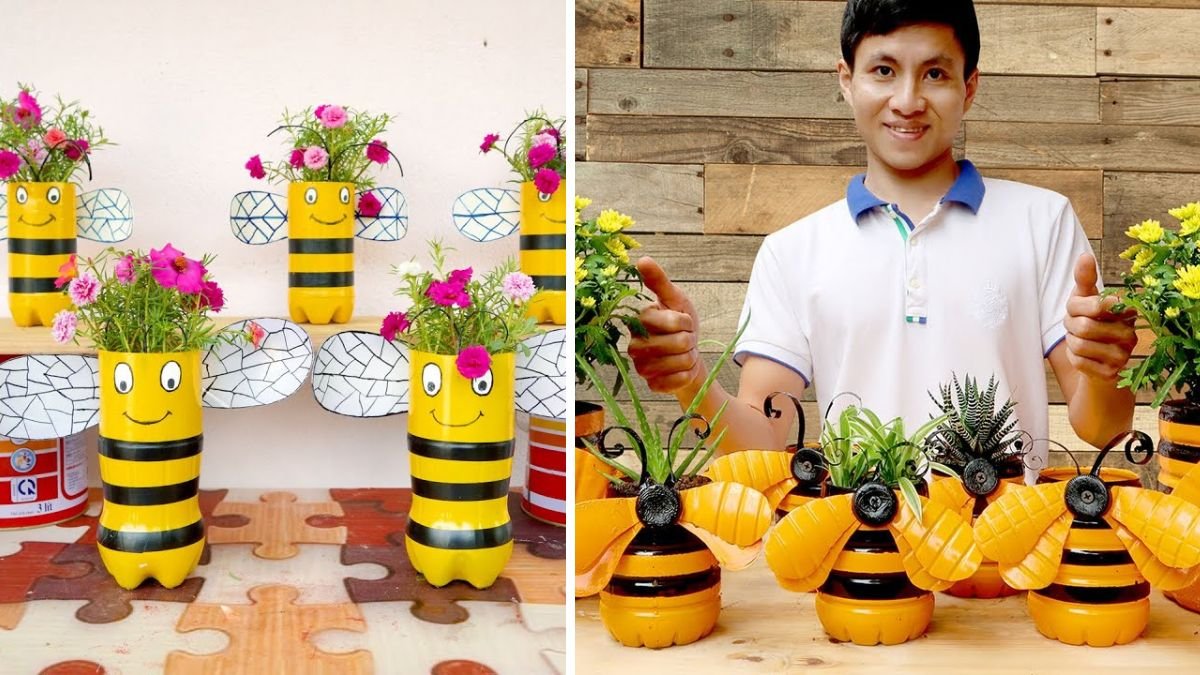

Turning Waste into Greenery: The Rise of Bottle Gardening
Urban spaces are getting smaller, yet the desire for fresh, homegrown vegetables is growing. Enter the revolutionary idea of growing vegetables at home using recycled plastic bottles — a practice that is gaining attention worldwide. This sustainable approach, often referred to as bottle gardening, is a smart solution for eco-conscious urban dwellers. By reusing plastic bottles, you not only reduce waste but also create a practical, cost-effective gardening solution that can thrive in apartments, balconies, or tiny backyards.
The concept of [FOCUS KEYWORD] aligns perfectly with global trends in urban agriculture, sustainability, and DIY gardening. It empowers individuals to grow their own fresh produce while repurposing everyday waste into something productive and beautiful.
What Is Bottle Gardening?
Bottle gardening is the process of repurposing discarded plastic bottles to cultivate vegetables, herbs, and other plants. By cutting, drilling, and filling plastic bottles with soil or nutrient solutions, anyone can create functional planters for a variety of vegetables.
Key methods of bottle gardening include:
- Vertical gardens: Bottles are stacked or hung in rows to save space and create a “living wall.”
- Individual planters: Each bottle serves as a standalone pot, suitable for smaller vegetables and herbs.
- Hydroponic systems: Bottles can be adapted to water-based systems, reducing the need for soil while maximizing yield.
This approach is gaining popularity because it is affordable, scalable, and environmentally responsible, making it ideal for small households, schools, and community gardens.
Why [FOCUS KEYWORD] Matters
The global plastic waste crisis is a growing concern. Millions of plastic bottles end up in landfills or oceans each year, polluting ecosystems. Bottle gardening offers a dual benefit: reducing waste and growing food. In addition, home gardening encourages healthier eating habits, saves money on groceries, and fosters a connection with nature.
Studies show that urban gardening, even on a small scale, improves mental well-being, reduces stress, and provides a sense of accomplishment. When combined with recycling practices, the impact extends to the environment, promoting sustainable urban lifestyles.
How to Start Bottle Gardening: DIY Methods
Creating your own [FOCUS KEYWORD] setup at home is easier than it seems. Here are practical ways to transform plastic bottles into productive vegetable gardens:
1. Vertical Bottle Gardens
Vertical gardens are a space-saving way to grow multiple plants in a small area.
Steps:
- Cut the bottom off each bottle and punch small holes for drainage.
- Fill the bottle with nutrient-rich soil.
- Plant seeds or seedlings like herbs, lettuce, or spinach.
- Hang the bottles using strings, ropes, or hooks on walls, balconies, or fences.
This method works well for herbs, leafy greens, and other lightweight vegetables. It creates an attractive, living green wall while making efficient use of vertical space.
2. Horizontal Bottle Planters
Horizontal planters maximize space by laying bottles on their sides. Cut the bottles lengthwise to form troughs and plant small vegetables or microgreens. This layout works well for spinach, radishes, or garlic. It is perfect for windowsills or narrow balconies.
3. Standalone Bottle Pots
Large bottles can serve as individual planters for bigger vegetables. Simply cut the top, drill drainage holes at the bottom, and fill with soil. These are ideal for crops like carrots, garlic, and small tomatoes.
Real-Life Examples Around the World
Ghana: Carrots in Bottles
In Ghana, families have turned recycled 1.5–5L bottles into carrot-growing planters. This method is inexpensive, reduces plastic waste, and allows urban households to grow fresh vegetables despite limited space. It also demonstrates how small-scale innovations can support food security.
Zimbabwe: Hydroponic Lettuce
In Zimbabwe, hydroponic lettuce is grown in recycled bottles using water and nutrient solutions instead of soil. Gravity-fed and solar-powered systems allow households to maintain year-round production, demonstrating the versatility of bottle gardening even in regions with limited resources.
These examples highlight how [FOCUS KEYWORD] can be adapted to various climates, spaces, and cultural contexts, empowering people worldwide to grow their own food sustainably.
Tips for a Thriving Bottle Garden
To maximize your success with [FOCUS KEYWORD], follow these expert tips:
- Choose the right bottles: PET bottles (1.5–2L) are ideal due to durability and drainage.
- Ensure proper drainage: Punch holes at the base to prevent waterlogging.
- Use quality soil: Incorporate compost or organic soil for healthier plants.
- Provide adequate sunlight: Most vegetables need at least 4–6 hours of light daily.
- Rotate bottles regularly: Reused bottles degrade over time; replacing them ensures plant safety.
Following these guidelines helps prevent plant stress, supports growth, and ensures the longevity of your DIY bottle garden.
Environmental and Health Considerations
While bottle gardening is environmentally friendly, some precautions are necessary:
- Chemical leaching: Prolonged sun exposure may cause chemicals to leach from plastic into soil. Some gardeners opt for glass or ceramic containers for long-term planting.
- Microplastics: Degraded plastic can mix with soil. Rotating bottles and cleaning them before use reduces risks.
By being mindful of these factors, you can maintain a safe and productive bottle garden that is both sustainable and health-conscious.
Authoritative Sources
For further guidance and inspiration, explore these resources:
- The Better India: DIY vertical garden tutorials with plastic bottles.
- ModernGhana: Real-life examples of carrot bottle gardens.
- Times of India: How to grow garlic and vegetables in recycled bottles.
- IDN InDepthNews: Hydroponic lettuce production in bottles in Zimbabwe.
These sources provide practical instructions, success stories, and innovative ideas to expand your bottle gardening skills.
Why [FOCUS KEYWORD] Is the Future of Urban Gardening
[FOCUS KEYWORD] isn’t just a gardening trend; it’s part of a broader movement towards sustainable, self-reliant living. With growing concerns about plastic pollution, rising food costs, and shrinking urban spaces, bottle gardening offers a simple, effective, and affordable solution.
By upcycling plastic bottles, you can create a visually appealing garden, grow your own fresh vegetables, and actively contribute to environmental sustainability. Whether you live in a tiny apartment, a busy city, or a suburban backyard, [FOCUS KEYWORD] makes it possible to cultivate a green, productive space anywhere.
Conclusion
Turning plastic bottles into vegetable planters combines creativity, sustainability, and practicality. With [FOCUS KEYWORD], you can transform waste into abundance, reduce your environmental footprint, and enjoy the satisfaction of growing your own fresh produce.
From vertical gardens to hydroponic systems, the possibilities are endless. Start small, experiment with different vegetables, and embrace the rewarding journey of bottle gardening. It’s more than a hobby — it’s a step towards greener living and healthier communities.