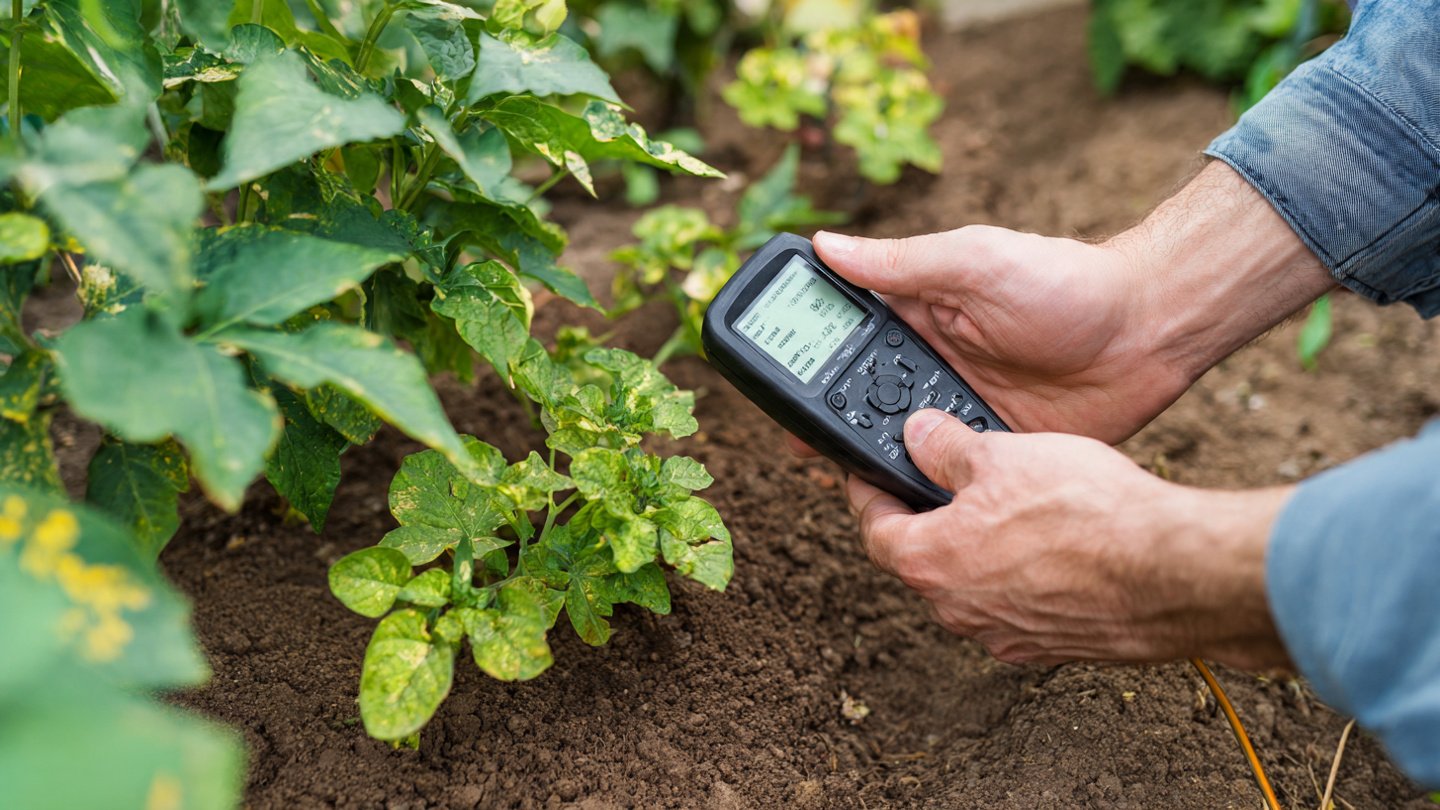

Watering plants is a fundamental aspect of gardening and indoor plant care. However, overwatering and underwatering are common issues that many gardeners face. One effective solution to this problem is the use of a moisture meter. This handy tool provides accurate readings of soil moisture levels, helping you make informed decisions about when and how much to water your plants. In this article, we will explore the benefits of using a moisture meter, how to use it effectively, and the impact it can have on your gardening success.
Understanding Soil Moisture
Before delving into the reasons for using a moisture meter, it’s essential to understand what soil moisture is and why it matters. Soil moisture refers to the amount of water retained within the soil, influencing plant health and growth significantly. Various factors affect soil moisture levels, including:
-
Soil Type: Different soils retain moisture differently. Sandy soils drain quickly, while clay soils hold water for longer periods.
-
Plant Type: Various plants have different water needs. For example, succulents thrive on minimal moisture, while ferns often require consistently moist soil.
-
Weather Conditions: Rain, humidity, and temperature can dramatically impact soil moisture levels. It’s important to consider recent weather patterns when watering.
-
Container vs. Ground: Plants in containers often dry out faster than those planted in the ground due to increased exposure to air.
With these factors in mind, using a moisture meter can help you gauge the moisture level in your soil accurately, leading to more effective watering practices.
Benefits of Using a Moisture Meter
1. Prevent Overwatering
Overwatering is a common mistake made by both novice and experienced gardeners. It can lead to root rot, a condition where roots become soggy and damaged due to excess moisture. By using a moisture meter, you can determine the wetness of the soil before watering, reducing the risk of overwatering significantly.
2. Prevent Underwatering
On the flip side, underwatering can also be detrimental to plants. Without sufficient water, plants can suffer from wilting, stunted growth, and ultimately death. A moisture meter allows you to identify when the soil is too dry, ensuring that your plants receive the hydration they need to flourish.
3. Optimal Plant Health
Healthy plants require a balanced amount of moisture. A moisture meter helps maintain this balance, promoting robust root development and overall plant health. With proper watering management, plants can achieve optimal growth and may even produce more flowers or fruit.
4. Time and Resource Efficiency
Using a moisture meter saves you time and resources. Instead of relying on guesswork or a set watering schedule, you can water only when necessary. This not only conserves water but also reduces the need for additional fertilizers or amendments, as overwatered soil can leach nutrients away from the plant roots.
5. Tailored Watering Practices
Different plants have varying moisture requirements. A moisture meter allows for a more tailored approach to watering based on the specific needs of each plant. Whether you have succulents, ferns, or flowering plants, knowing the moisture level can help you cater to each plant’s unique requirements.
6. Increased Awareness of Soil Conditions
Regular use of a moisture meter can increase your awareness of soil conditions in your garden or indoor space. By observing moisture levels over time, you can identify patterns that help you understand how different factors affect soil moisture, improving your overall gardening strategy.
How to Use a Moisture Meter Effectively
Using a moisture meter is relatively straightforward, but to maximize its benefits, it’s essential to follow a few best practices:
1. Read the Instructions
Different moisture meters have varying operating principles, so it’s crucial to read the manufacturer’s instructions. Familiarize yourself with how to use your specific model to ensure accurate readings.
2. Insert the Probe Correctly
Proper insertion of the moisture meter probe is key for accurate readings. Insert the probe into the soil to the recommended depth (usually around 2-4 inches for most plants). Avoid pushing it into compacted or rocky soil, as this can damage the probe.
3. Check Multiple Areas
For larger plants or garden beds, check several areas around the root zone. This will provide a more accurate assessment of soil moisture levels and avoid localized discrepancies.
4. Note Soil Type and Conditions
Take note of your soil type and current weather conditions when interpreting moisture readings. Different soils retain moisture differently; understanding your soil will allow you to make informed decisions.
5. Calibrate if Necessary
Some advanced moisture meters allow for calibration. If your readings seem inconsistent, calibrate your device according to the manufacturer’s guidelines for more accurate results.
6. Regularly Monitor
Consistency is key. Use the moisture meter regularly, even when you think the soil is sufficiently wet. This will help you build a knowledge base of how often your plants need water under varying conditions.
Impact on Plant Care Practices
Integrating a moisture meter into your plant care routine can significantly impact your gardening outcomes:
1. Improved Growth Rates
When plants receive the appropriate amount of moisture, they grow healthier and faster. Consistently monitoring soil moisture leads to enhanced root development and access to nutrients, supporting robust plant growth.
2. Prolonged Plant Lifespan
Healthy moisture levels can prolong the life of your plants. By preventing overwatered or underwatered conditions, you can enjoy vibrant and flourishing plants for years.
3. Enhanced Aesthetic Appeal
For homeowners and gardeners concerned about appearance, well-watered plants contribute to a more pleasing aesthetic. A moisture meter ensures that your plants remain lush, vibrant, and visually appealing.
4. Greater Productivity
For those growing fruits, vegetables, or flowers, accurate watering can lead to increased yield and productivity. Consistent moisture levels foster healthier plants that produce more flowers, fruits, or vegetables.
Conclusion
Using a moisture meter before every watering can dramatically enhance your gardening practices. By preventing overwatering and underwatering, promoting optimal plant health, and improving resource efficiency, this simple tool offers numerous benefits. In addition, honing your understanding of soil moisture levels leads to tailored watering practices that cater to the needs of individual plants.
Regularly using a moisture meter increases your awareness of soil conditions over time, ultimately resulting in healthier, more vibrant plants. Whether you’re an experienced gardener or just starting, incorporating a moisture meter into your routine can be a game changer. Embrace this tool, and watch as your plants thrive under your attentive care.