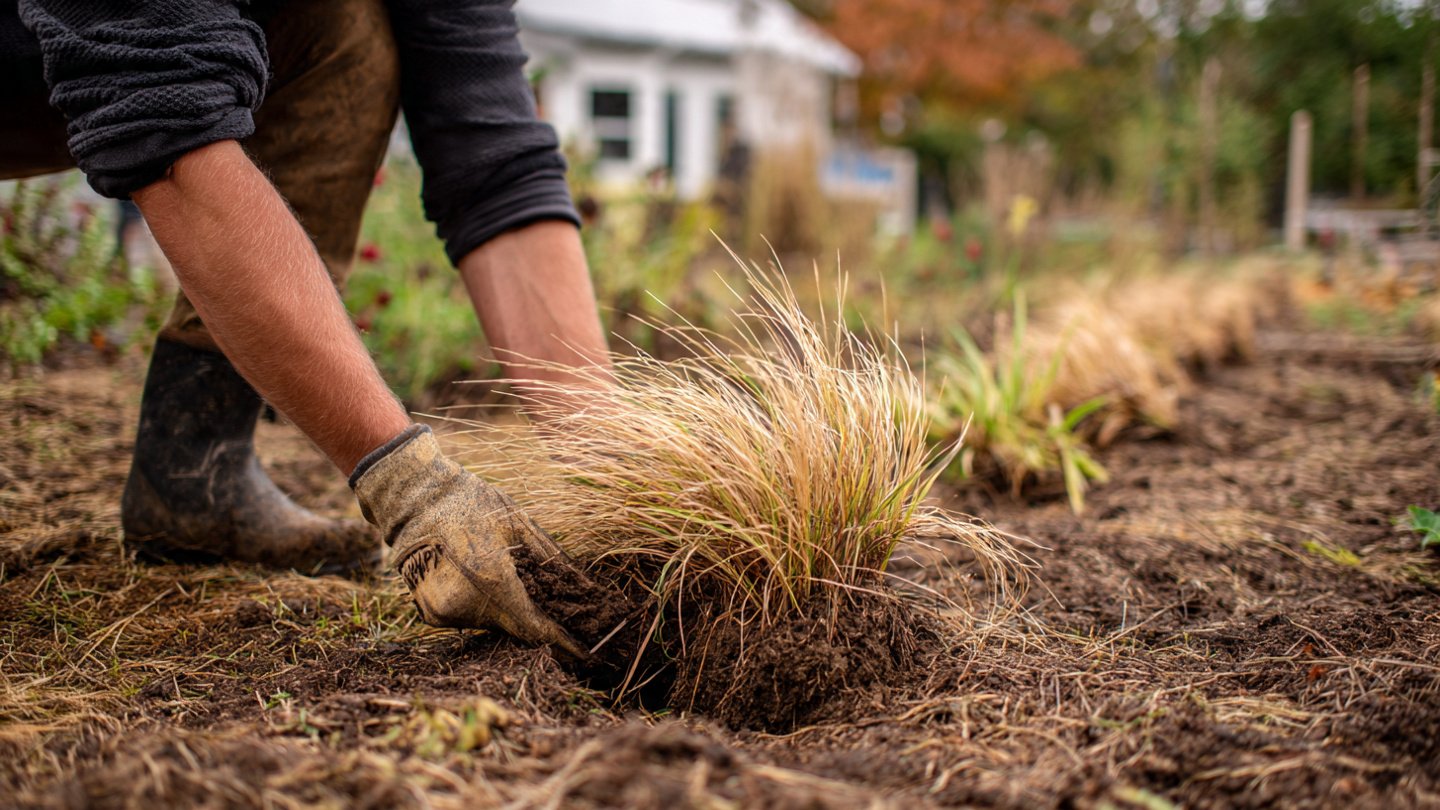

As the vibrant hues of summer fade and fall settles in, many gardeners begin to shift their focus towards preparing their lawns and gardens for the colder months ahead. One often overlooked yet highly beneficial option is planting rye grass. Whether you’re a seasoned gardener or just starting out, rye grass can be a fantastic addition to your garden this fall.
What is Rye Grass?
Rye grass is a cool-season grass that thrives in cooler temperatures, making it an excellent choice for fall planting. There are two main types of rye grass: annual rye grass and perennial rye grass.
-
Annual Rye Grass: Frequently used as a cover crop, it establishes quickly and provides soil protection during the winter months.
-
Perennial Rye Grass: Often favored for lawns, it germinates rapidly and creates a lush green cover.
The adaptability and resilience of rye grass make it a strategic choice for various gardening needs.
1. Soil Improvement
One of the primary benefits of planting rye grass is its ability to improve soil quality. Rye grass has a deep root system that helps to aerate the soil and prevent compaction. This aeration allows for better water infiltration and root growth for subsequent plants. Additionally, as rye grass grows, it captures and holds nutrients that can leach away during heavy rains, preventing soil erosion and nutrient loss.
Moreover, rye grass contributes organic matter to the soil when it decomposes, enriching it and enhancing its structure. The decomposition process adds essential nutrients such as nitrogen, which becomes available to other plants in subsequent growing seasons.
2. Weed Suppression
Another advantage of planting rye grass in the fall is its effectiveness in suppressing weed growth. Because rye grass germinates quickly and establishes itself rapidly, it provides immediate ground cover that can outcompete many common weeds. This reduced competition for space and resources can diminish the need for herbicides, making your garden healthier and more eco-friendly.
The dense growth of rye grass acts as a natural barrier, preventing weeds from taking hold. Additionally, the shading effect from the grass can further inhibit weed germination, reducing your workload in the spring.
3. Erosion Control
Fall is a critical time for erosion control, especially in areas with exposed soil due to summer crops or beds being cleared. Rye grass’s robust root system holds the soil in place, preventing erosion caused by wind and water. This is particularly important in regions that experience heavy rains in the fall and winter months.
By planting rye grass, you can stabilize the soil in your garden and protect it from being washed away. In the long term, the presence of rye grass helps maintain the structural integrity of your garden beds.
4. Enhanced Biodiversity
By incorporating rye grass into your garden, you can enhance the biodiversity of your ecosystem. A diverse plant environment encourages beneficial insects, birds, and other wildlife to thrive. Rye grass serves as a habitat for various species, promoting ecological balance.
Moreover, diverse plant life reduces the likelihood of pests and diseases thriving in your garden, as many pests prefer specific host plants. The introduction of rye grass can disrupt these cycles and create a more robust ecosystem.
5. Winter Cover
Planting rye grass in the fall provides an excellent winter cover for your garden. This protective layer helps regulate soil temperature and moisture, creating a buffer against harsh winter conditions. The grass remains green throughout the winter and will begin to grow actively once temperatures warm up.
This winter cover can help prevent frost heaving, which can damage plant roots and disrupt soil structure. Additionally, the physical presence of the grass can reduce the impact of harsh winds, protecting your garden from desiccation.
6. Quick Germination and Establishment
One of the key features that make rye grass a favorite among gardeners is its quick germination and establishment rate. Annual rye grass typically germinates within 5 to 10 days, while perennial rye grass can sprout in just 7 to 10 days. This rapid growth allows gardeners to quickly cover bare soil, providing immediate benefits such as erosion control and weed suppression.
Its quick establishment means that even if you plant late in the fall, you can still expect to see a robust stand of grass developed before winter sets in fully.
7. Cost-Effective Solution
Rye grass is a budget-friendly choice for gardeners. The seed is relatively inexpensive, and because of its rapid growth and effectiveness in enhancing soil quality, you can save money on fertilizers and other amendments in the long run. The ability to reduce the use of herbicides due to its weed-suppressing qualities also contributes to cost savings.
Additionally, the benefits provided by rye grass—such as improved soil health and reduced erosion—may lead to improved yields in your garden the following season, making it a wise investment.
8. A Green Transition to Spring
As you plant rye grass in the fall, you’re not just preparing your garden for winter; you’re also setting it up for success in spring. When the temperatures rise and the days start getting longer, rye grass will begin to die back, making way for spring plantings.
You can easily incorporate the dead grass into your garden as a natural mulch, or mow it down and leave it to decompose in place. This process returns nutrients to the soil, providing a rich environment for spring crops and plants.
9. Aesthetic Appeal
Beyond its practical benefits, rye grass provides aesthetic value to your garden. Its vibrant green color can brighten up your landscape as the temperatures drop. A lush green cover throughout the winter months can be a welcome sight, especially in contrast to the barren landscapes that typically dominate the season.
If you’re looking to create a garden that looks good year-round, planting rye grass in the fall is an excellent choice.
10. Sustainability Practices
In today’s world, sustainability is more important than ever. By choosing to plant rye grass, you are practicing sustainable gardening methods. It helps to improve soil health without the need for chemical fertilizers or herbicides, promoting a healthier ecosystem.
Using rye grass as a cover crop fits into a larger practice of crop rotation and polyculture that not only benefits your individual garden but also contributes to the overall health of our planet’s agricultural systems.
Tips for Planting Rye Grass
If you’re convinced that rye grass is the right choice for your garden this fall, here are some tips to ensure successful planting:
-
Soil Preparation: Start by preparing your soil. Clear any debris, weeds, or old crops, and till the soil to a depth of about 3-4 inches.
-
Seeding: Broadcast the seeds evenly across the prepared area. A general recommendation is to use about 20-30 pounds of seed per acre, depending on the thickness of the cover you desire.
-
Watering: After seeding, lightly water the area to help settle the seeds into the soil. Maintain moisture until the grass is established.
-
Mowing: Once the grass reaches about 6 inches in height, consider mowing it down. This promotes thicker growth and can be used as mulch.
-
Monitoring: Continue to monitor your rye grass through the winter and into spring. This will help ensure it remains healthy and ready to decompose as temperatures rise.
Conclusion
Planting rye grass this fall is not just about beautifying your garden; it’s a multifaceted approach to enhancing soil health, promoting biodiversity, and practicing sustainability. Its benefits extend from soil improvement to weed suppression and erosion control, making it a wise choice for gardeners interested in both productivity and ecology.
As you prepare your garden for the colder months, consider adding rye grass to your planting list. You’ll be making a choice that pays dividends not just for your plants but for the environment as well. With its rapid establishment and myriad advantages, rye grass will set the stage for a thriving garden come spring.