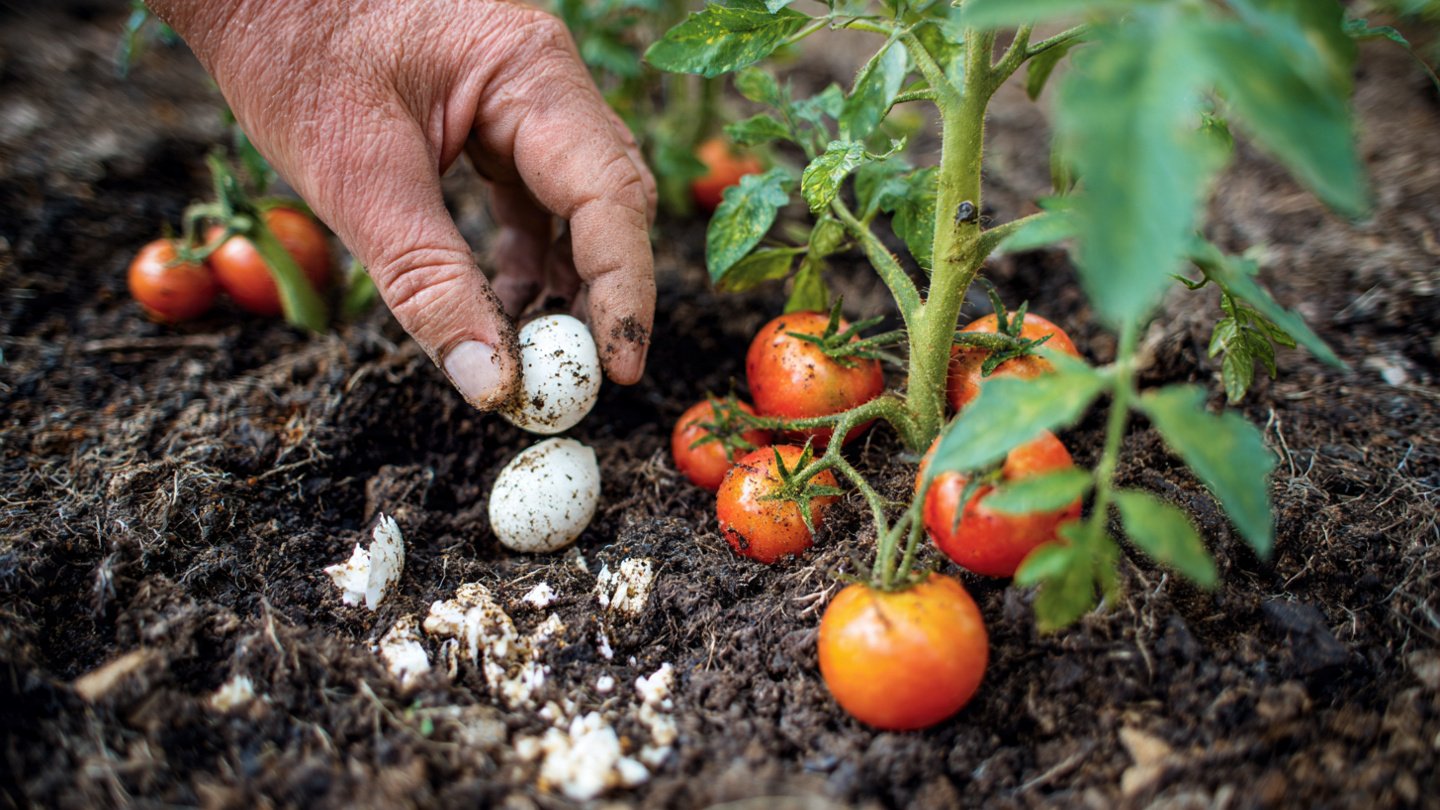

Gardening is more than just a hobby; it’s a passion for many who find solace and joy in nurturing plants and watching them flourish. Among the various crops that gardeners love to cultivate, tomatoes stand out as a favorite. Rich in flavor and versatile in dishes, they are a staple in countless households. However, achieving an abundant crop of tomatoes requires attention to detail and care in soil preparation. One often overlooked yet remarkably beneficial practice is adding crushed eggshells to the soil when planting tomatoes. This article explores the myriad benefits of incorporating egg shells into your gardening routine, particularly for growing tomatoes.
Nutritional Benefits
1. Calcium Source
Eggshells are primarily made of calcium carbonate, comprising around 95% of their material. Calcium is an essential nutrient for plant growth, playing a crucial role in cell wall development. When you plant tomatoes, adding crushed eggshells to the soil enriches it with calcium. This is particularly important for tomatoes, as a deficiency in calcium can lead to blossom end rot, a common problem that manifests as dark, sunken spots at the bottom of the fruit. By supplementing the soil with eggshells, you can help ensure your tomatoes grow strong and healthy.
2. pH Balance
The presence of calcium in eggshells not only supports structural development in plants but also helps to balance the pH level of the soil. Tomatoes thrive best in slightly acidic to neutral soil (pH 6.0-7.0). Crushed eggshells can help neutralize overly acidic soils, promoting optimal conditions for nutrient absorption.
Soil Health Enhancement
3. Improved Soil Structure
The addition of crushed eggshells can enhance soil texture and structure. As these shells break down, they help improve drainage and aeration, which are vital for healthy root growth. Well-aerated soil allows roots to breathe and absorb water and nutrients more effectively. This, in turn, leads to stronger, more resilient plants.
4. Microbial Activity
Eggshells also contribute to a more diverse microbial ecosystem within the soil. As the shells decompose, they provide food for beneficial bacteria and fungi. These microorganisms play essential roles in breaking down organic matter, making nutrients more available to plants. A healthy soil microbiome is crucial for a thriving garden, ensuring that plants can absorb the nutrients they need.
Pest Deterrent
5. Natural Pest Control
Another significant advantage of crushed eggshells is their ability to deter pests. When applied around the base of tomato plants, the sharp edges of the crushed shells can create a barrier that is unappealing to soft-bodied pests, like slugs and snails. These pests may be deterred from crossing the jagged landscape, protecting your tomato plants from potential damage.
6. Protection from Larger Pests
Additionally, some gardeners report that eggshells can help keep larger pests at bay, including cats and dogs, who may be attracted to freshly tilled soil. The rough texture of the shells can be unwelcoming for these creatures, providing a simple yet effective way to safeguard your garden.
Environmental Benefits
7. Waste Reduction
Using crushed eggshells is a fantastic way to reduce kitchen waste, turning what would usually be discarded into valuable garden input. By recycling eggshells, you contribute to a more sustainable lifestyle, minimizing landfill waste while enhancing your garden.
8. Cost-Effective Gardening
Purchasing fertilizers and soil amendments can get expensive, especially for home gardeners. Crushed eggshells provide a low-cost, natural alternative, helping you maintain a thriving garden without breaking the bank. This makes them an excellent choice for both beginner and seasoned gardeners alike.
Practical Application
9. How to Prepare and Use Crushed Eggshells
To incorporate crushed eggshells into your tomato planting holes, follow these simple steps:
- Rinse: After using eggs, rinse the shells to remove any residual egg white or yolk, which could attract unwanted pests.
- Dry: Allow the shells to dry completely, as this will make them easier to crush.
- Crush: Use a mortar and pestle, rolling pin, or food processor to break the shells into small pieces, or even a fine powder if desired.
- Mix with Soil: When preparing the planting holes for your tomatoes, mix the crushed eggshells with the soil, ensuring they are well integrated. Do this in a 1:3 ratio of eggshells to soil for optimal results.
10. Timing
Crushed eggshells can be added to the soil both at the time of planting and as a top dressing throughout the growing season. Regular applications can continue to provide necessary nutrients as the plants grow larger and require more resources.
The Holistic Advantage
11. Companion Planting
One of the exciting aspects of gardening is companion planting, where certain plants benefit each other when grown near one another. Tomatoes thrive when planted alongside basil, marigolds, and even eggplants. By incorporating crushed eggshells into your tomato planting holes, you might enhance the growth of these companion plants, thus creating a thriving micro-ecosystem in your garden.
12. Overall Plant Health
Incorporating eggshells fosters overall plant health. By ensuring adequate calcium levels, improving soil structure, deterring pests, and encouraging microbial diversity, your tomato plants are better equipped to resist diseases and withstand environmental stresses, like drought or high temperatures.
Conclusion
Adding crushed eggshells to your tomato holes is a sustainable, cost-effective, and beneficial practice that can significantly enhance your gardening efforts. Not only do they provide essential nutrients like calcium, but they also improve soil quality and structure, help in pest management, and promote a more balanced ecosystem.
Embracing this simple action not only contributes to the health of your tomato plants but also enriches your gardening experience. As you nurture your garden, remember that every little detail counts; utilizing crushed eggshells is one small step that can lead to vibrant, thriving tomatoes and a flourishing garden overall. So, the next time you crack an egg, think twice before tossing those shells in the bin—your tomato plants will thank you!