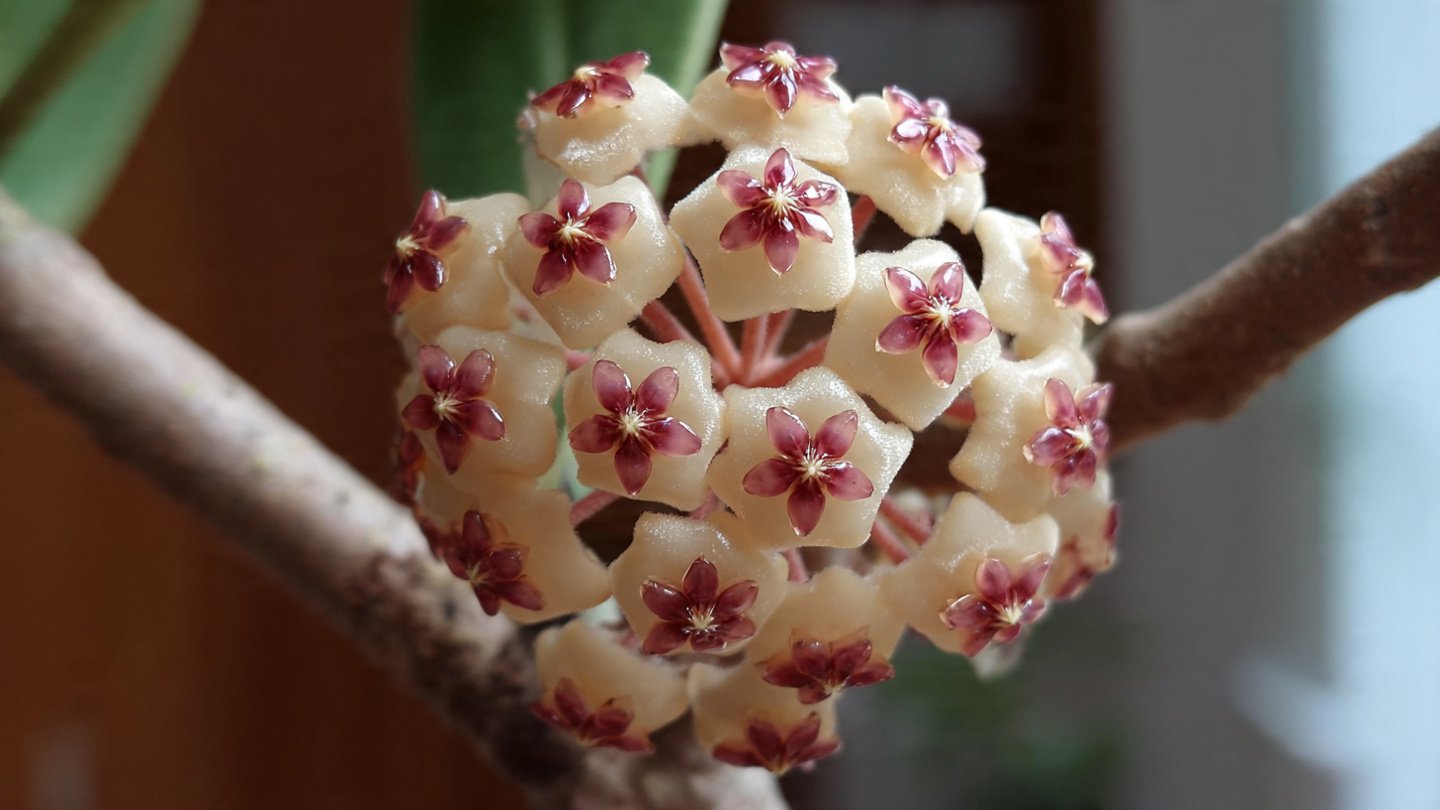

If you are a proud owner of a Hoya plant, you may find yourself eagerly anticipating the day your plant bursts into colorful blooms. However, many Hoya lovers often find themselves frustrated when their plant takes longer than expected to flower. Understanding the reasons behind this delay and knowing how to encourage blooming can raise your gardening success. In this article, we will explore the factors influencing Hoya blooming and practical strategies to encourage your plant to showcase its beautiful flowers.
Understanding the Hoya Plant
The Hoya plant, also known as the wax plant or porcelain flower, belongs to the Asclepiadaceae family. With over 200 different species, Hoyas are native to tropical and subtropical regions, particularly in Asia and Australia. They are characterized by thick, waxy leaves and clusters of star-shaped flowers that can be quite fragrant. However, these plants are not just known for their beauty but also their resilience and hardiness.
Reasons Your Hoya Might Be Delayed in Blooming
1. Age of the Plant
One of the most common reasons Hoyas take time to bloom is their age. Typically, Hoya plants need to reach maturity before they start producing flowers. This phase can vary significantly based on the species and overall care. Most Hoyas bloom after 2-3 years of growth, but some can take much longer.
2. Light Conditions
Light is another critical factor influencing the flowering of Hoya plants. They thrive in bright, indirect sunlight but can suffer in low-light conditions. Insufficient light levels may delay blooming. On the other hand, direct sunlight can scorch the leaves. Finding the right balance is essential for your Hoya to flourish.
3. Temperature and Humidity
Hoyas are tropical plants, which means they prefer warm and humid environments. Ideally, Hoya plants thrive when temperatures range between 65°F to 85°F (18°C – 29°C). If the climate is too cold or dry, your Hoya may focus on survival rather than blooming.
4. Overwatering or Underwatering
Watering practices significantly affect Hoya blooming. Overwatering can lead to root rot, while underwatering can stress the plant. Both scenarios can delay or inhibit blooming. Ensure your Hoya’s soil is well-draining, and water only when the top inch of soil feels dry.
5. Fertilization
Providing adequate nutrients is vital for a Hoya’s health and flowering. If you are not fertilizing regularly during the growing season (spring and summer), your Hoya may lack the necessary nutrients to encourage blooming. Using a balanced fertilizer can provide the extra boost your plant may need.
6. Pot Size and Root Health
The pot size can significantly impact your Hoya’s growth and blooming capabilities. A pot that is too small may restrict root development, while one that is too large can retain excess moisture. Make sure to choose an appropriately sized pot and check the roots periodically for health and growth.
7. Dormant Period
Hoyas typically have a dormant period during the winter months. During this time, they conserve energy, and blooming may not occur until the growing season begins again. It is essential to give your plant a rest period to promote healthier growth and flowering the following season.
Encouraging Your Hoya to Bloom
1. Provide Optimal Lighting
Place your Hoya in a location where it will receive bright, indirect sunlight for several hours each day. A south-facing window is often ideal. If you notice your plant stretching towards the light, consider rotating it regularly to promote even growth.
2. Maintain Ideal Temperature and Humidity
Keeping the temperature consistent and providing humidity can significantly help encourage blooming. You can increase humidity by misting the leaves, using a pebble tray with water, or keeping your Hoya in a more humid room, like a bathroom or kitchen.
3. Water Carefully
Water your Hoya only when the top inch of the soil feels dry. Make sure to use well-draining soil and pots to prevent water accumulation. Always check the roots for signs of health before re-potting or watering excessively.
4. Fertilize Regularly
During the growing season, use a balanced, water-soluble fertilizer every 4-6 weeks. Make sure to dilute it to half strength to avoid over-fertilizing, which can lead to leaf burn and inhibit blooming.
5. Repot When Necessary
If your Hoya has outgrown its pot, consider repotting in the spring when the plant is actively growing. Choose a pot that is slightly larger and ensure it has good drainage. Healthy root growth is essential for promoting blooming.
6. Encourage Dormant Rest
During the winter, allow your Hoya to enter a dormant phase. Avoid excessive watering and stop fertilizing during this period. This rest will help prepare your plant for a vigorous blooming cycle once spring arrives.
Conclusion
Growing a Hoya can be a rewarding experience, but it does require patience and understanding. From age and light conditions to watering and fertilization practices, many factors can influence when and if your Hoya will bloom. By identifying the potential reasons your plant may be delayed and implementing these strategies to encourage blooming, you can increase your chances of enjoying the delightful flowers these beautiful plants have to offer. Remember that each Hoya is unique and may need some time to really flourish.
FAQs
1. How long does it usually take for a Hoya to bloom?
It typically takes a Hoya 2-3 years to bloom, but some species can take longer, depending on care and conditions.
2. Can I stress my Hoya to bloom?
Yes, some growers believe that slightly stressing the plant (such as reducing water or light) can encourage blooming, but this should be done cautiously to avoid harming the plant.
3. What kind of fertilizer should I use for my Hoya?
A balanced, water-soluble fertilizer diluted to half strength is usually best during the growing season.
4. Can Hoyas bloom more than once a year?
Yes, some Hoya species can produce multiple blooms in a year, especially if conditions are optimal.
5. What should I do if my Hoya has never bloomed?
If your Hoya has never bloomed, consider reviewing its care regimen, examining its light exposure, watering practices, and ensuring it has reached maturity.