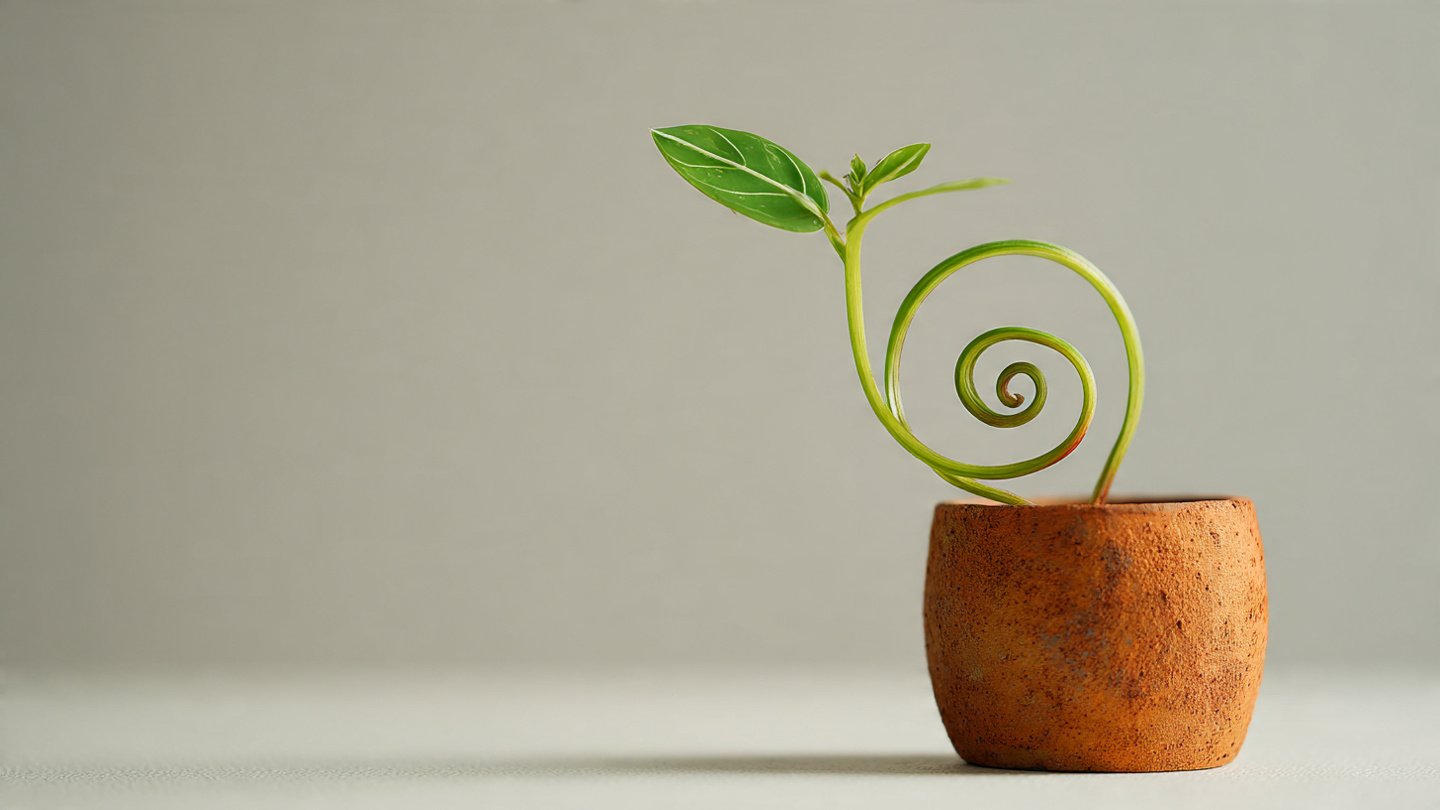

Mint is a delightful herb that adds flavor to various dishes and beverages. It is celebrated for its refreshing aroma and taste, making it a popular choice among home gardeners. However, while mint is relatively easy to grow, planting it directly in the ground can lead to several significant challenges that can make it a mistake. This article explores the reasons behind this assertion, guiding you to make a more informed decision about how to cultivate this versatile herb.
Understanding Mint’s Growth Habits
Mint belongs to the Mentha genus and originates from various species, including peppermint and spearmint. It is a perennial plant characterized by its vigorous growth habits. Understanding these characteristics is crucial for gardeners:
- Invasive Nature: Mint is notorious for its ability to spread rapidly. Its underground rhizomes (horizontal roots) allow it to extend its reach, leading to uncontrolled growth.
- Competition with Other Plants: Once planted, mint can dominate the area, overshadowing and choking other plants, especially if they are slower-growing or less aggressive.
- Soil Compatibility: Mint thrives in well-drained, fertile soils but can adapt to various conditions, making it resilient, further complicating its control when planted in the ground.
Challenges of Planting Mint in the Ground
There are several specific challenges gardeners face when they decide to plant mint directly in their gardens:
1. Invasive Growth
Mint’s aggressive growth can rapidly transform a neat garden into a chaotic patchwork of green. Its ability to spread is often underestimated, leading to frustration when it invades flower beds, vegetable patches, and even lawns. Controlling this spread requires continuous maintenance and effort, taking away from the enjoyment of gardening.
2. Difficulty in Containment
Once mint is planted in the ground, containing it becomes a difficult task. Unless you take proactive measures—like setting boundaries with underground barriers—mint will likely find a way to escape and establish itself elsewhere in your garden. This can lead to a situation where mint becomes a weed rather than a desired herb.
3. Rotting and Disease
Planting mint directly in the ground can make it more susceptible to various soil-borne diseases. Waterlogged conditions can lead to root rot, impacting the health of your mint plants. In contrast, if grown in containers, you have greater control over drainage and can prevent issues related to excess moisture.
4. Competing Nutrients and Resources
Mint can outcompete neighboring plants for nutrients, water, and sunlight, leading to poor growth or even death of associated plants. It forms a dense mat that can block sunlight from reaching other plants, hindering their growth potential. This competitive nature is particularly detrimental in mixed gardens where diverse plant species are intended to thrive harmoniously.
5. Management Efforts
The maintenance demands for controlling mint can be significant. Regular pruning and periodic digging may be necessary to limit its spread and keep it from overwhelming other plants. This added effort can diminish the pleasure of gardening, making mint less appealing than other, more manageable herbs.
Alternative Methods of Planting Mint
To enjoy the benefits of mint without the headaches, consider these alternative methods of planting:
1. Container Gardening
Planting mint in containers is one of the most effective ways to prevent its invasive nature. Using pots allows you to control its growth while providing adequate drainage. Choose a pot that is at least 12 inches deep to accommodate the roots, and ensure it has proper drainage holes to prevent waterlogging.
2. Raised Beds
If you prefer growing mint in a garden setting, raised beds can also serve as an effective barrier. Build raised beds with boards that extend below the surface to contain mint’s rhizomes. This method provides the plant with the nutrients it needs while effectively limiting its ability to spread.
3. Garden Barriers
For those opting to grow mint in-ground, consider installing garden barriers. These can be made from materials like plastic, metal, or even natural stone. These barriers should extend a minimum of 12 inches below ground to effectively contain the plant.
4. Regular Maintenance
No matter the planting method, regular maintenance plays a crucial role in keeping mint manageable. Frequent harvesting encourages bushier growth and curtails flowering, which can aid in limiting its ability to spread.
Conclusion
While mint is a popular and versatile herb cherished for its flavor and aroma, planting it directly in the ground can lead to a range of headaches for the gardener. Its invasive nature, potential for disease, and competitive growth can overwhelm your garden, turning an enjoyable hobby into a laborious chore. By considering alternative methods such as container gardening, raised beds, or using barriers, you can cultivate mint while enjoying the benefits without substantial upkeep. In essence, understanding mint’s growth habits and behavior can aid in making more informed choices for a prosperous garden.
FAQs
1. Can I plant mint in the garden without any control measures?
While you can plant mint directly in the garden, it is not recommended without control measures due to its aggressive growth tendencies. Without barriers, it will likely spread uncontrollably.
2. What type of container is best for growing mint?
A container that is at least 12 inches deep with good drainage holes is ideal for mint. Consider using a plastic pot, clay pot, or even fabric pots to allow for root aeration.
3. How often should I water my mint plants?
Mint prefers consistently moist soil, so water regularly to keep the soil from drying out. However, avoid waterlogged conditions, as this can lead to root rot.
4. Can I grow mint indoors?
Yes! Mint can thrive indoors if given adequate sunlight. Place it by a window that receives plenty of light or using grow lights in darker areas.
5. How can I control mint’s spread if it’s already in the ground?
Regularly prune and harvest mint to limit its growth. You may also need to dig out any unwanted rhizomes and install barriers to prevent further spreading.