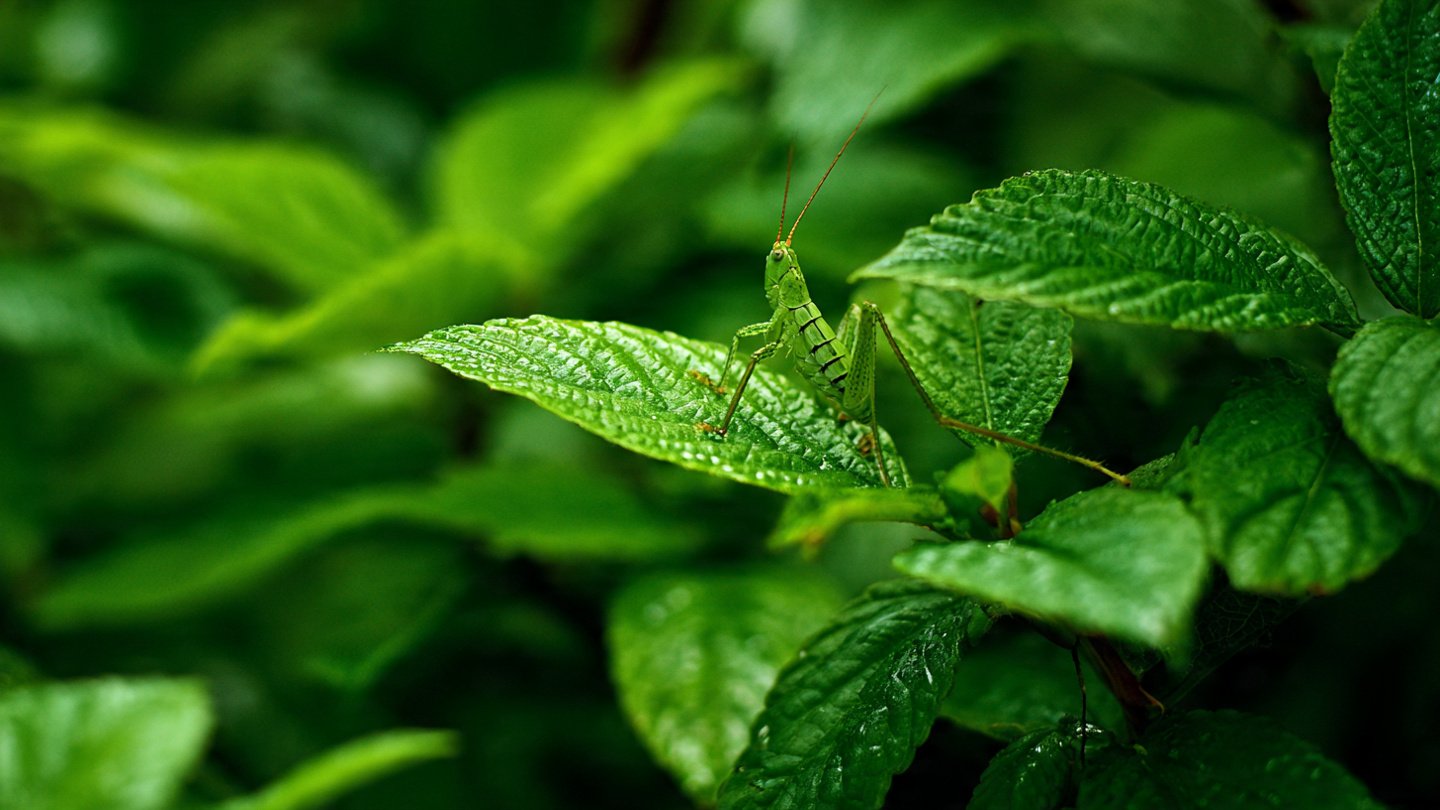

Gardening is an art that not only beautifies your surroundings but also provides fresh produce. However, the thrill of nurturing plants can often be overshadowed by the menace of pests. Unfortunately, pests can wreak havoc in your garden, consuming your plants and spreading diseases. One innovative solution that many gardeners are now exploring is the concept of a “sacrifice plant.”
Understanding Sacrifice Plants
A sacrifice plant is a specific type of plant strategically placed within a garden to attract pests away from more desirable plants. By sacrificing these plants, gardeners can protect their primary crops and maintain a healthier garden ecosystem. This method relies on the behavior of pests, which can be redirected, effectively minimizing damage to valuable plants.
Why Do Pests Target Certain Plants?
To understand the effectiveness of sacrifice plants, it’s essential to know why pests prefer certain plants over others. Various factors influence this preference:
- Plant chemistry: Many insects are attracted to the chemical compounds produced by specific plants. For instance, the scent from certain flowering plants can attract pests like aphids.
- Color and shape: Brightly colored flowers tend to draw in certain insects. These visual cues signal the presence of food sources for pests.
- Plant size: Larger plants can provide a more inviting environment for pests. They often have more foliage, creating ample hiding spots.
How Sacrifice Plants Work
The concept behind using sacrifice plants is a clever biological diversion. Here’s how it works:
- Attraction: Sacrifice plants draw pests in with their alluring scents, colors, or nutrient profiles.
- Dedicated feeding: Once the pests are drawn to these plants, they tend to feed on them, effectively leaving the other, more valuable plants alone.
- Trapping pests: Some gardeners even employ sticky traps around the sacrifice plants to catch pests before they can spread to primary crops.
Choosing Effective Sacrifice Plants
Not all plants can serve as effective sacrifice plants. When selecting sacrifice plants, consider the following criteria:
- Attractiveness to pests: Research which pests prevalent in your garden are attracted to certain plants.
- Plant compatibility: Ensure the sacrifice plant does not compete for nutrients and water with your primary crops.
- Durability: Select hardy plants that can withstand pest damage while still offering some nectar or foliage that pests will enjoy.
Examples of Sacrifice Plants
Examples of effective sacrifice plants include:
- Nasturtiums: These vibrant flowers attract aphids, deterring them from more valuable crops like cabbage.
- Mint: Known for its strong scent, mint can attract pests but is also beneficial as it has natural pest-repelling properties.
- Marigolds: These colorful flowers repel nematodes and attract certain pests away from valuable vegetables.
The Role of Companion Planting
Sacrifice plants often work best in conjunction with companion planting. Companion planting involves placing certain types of plants together to enhance growth and deter pests. When combined, sacrifice plants can create a multi-layered defense for your garden.
For example, pairing mint (a sacrifice plant) with cabbage can protect the cabbage from aphids while promoting a healthy ecosystem. Creating such combinations not only maximizes space but also utilizes the natural relationships between plants for optimal growth and pest control.
The Benefits of Sacrifice Plants
Employing sacrifice plants in your garden offers several benefits:
- Natural pest control: This method reduces the need for chemical pesticides, promoting an organic gardening approach.
- Environmental enhancement: Sacrifice plants can contribute to the overall biodiversity of your garden, improving the health of the entire ecosystem.
- Cost-effectiveness: Using natural methods reduces the need for expensive pest control measures.
Potential Drawbacks to Consider
While the concept of sacrifice plants is highly beneficial, there are some potential drawbacks:
- Pest resurgence: If not properly managed or selected, pests may still migrate back to your primary crops after damaging the sacrifice plants.
- Resource competition: Sacrifice plants may still compete with other plants for water, light, and nutrients.
To mitigate these issues, choose appropriate plants and manage your garden environment carefully.
Conclusion
Incorporating sacrifice plants into your garden is an innovative strategy that can significantly enhance your gardening experience. By understanding pest behavior and creating a welcoming environment for them in certain plants, you can protect your valuable crops and promote a balanced ecosystem. As you explore this method, take into account the different factors influencing plant-pest relationships, and experiment with various combinations to find what works best in your garden. Remember, gardening is a continuous learning journey; adapt and refine your approach to create the most fruitful and vibrant environment possible.
FAQs
1. What are sacrifice plants?
Sacrifice plants are specific plants placed in a garden to attract pests away from primary crops, protecting them from damage.
2. How do I choose the right sacrifice plant for my garden?
Consider the pests present in your garden and research plants that attract those pests while also being compatible with your crops.
3. Can I use more than one sacrifice plant in my garden?
Yes, using multiple sacrifice plants can enhance pest attraction and offer varied protection for different crops.
4. Will using sacrifice plants eliminate all pests from my garden?
While they help in deterring many pests, they may not eliminate all pests. Regular monitoring and maintenance are still necessary.
5. Are there any plants that are particularly harmful to use as sacrifice plants?
Yes, avoid using plants that might attract more harmful pests or compete aggressively for resources, which can harm your primary crops.