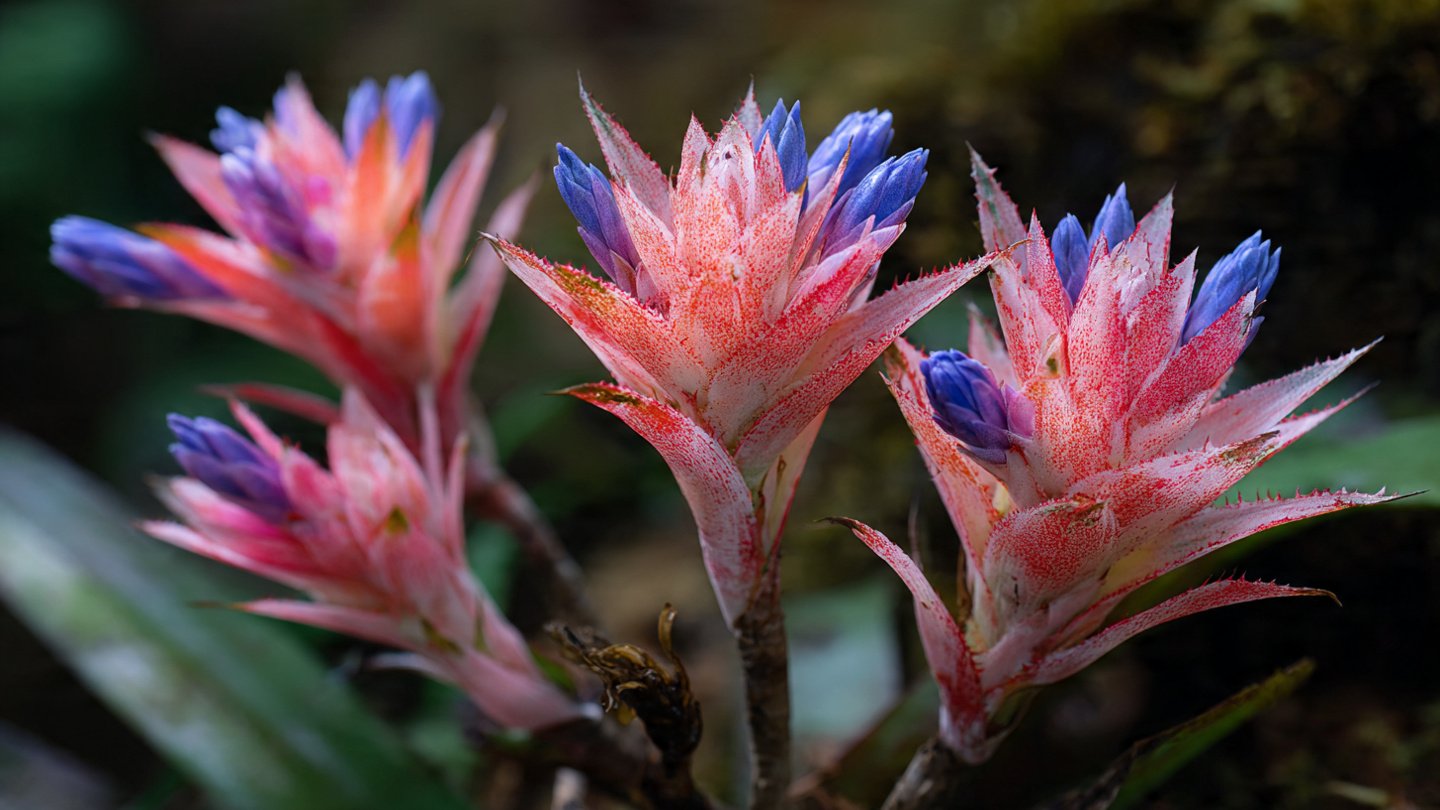

Bromeliads are popular houseplants known for their unique and vibrant blooms. However, many owners often notice that their bromeliads only bloom once in their lifetime, which leads to a barrage of questions regarding the lifecycle and flowering habits of these exotic plants. Understanding why a bromeliad blooms only once and how you can encourage more flowers is essential for any bromeliad enthusiast.
The Lifecycle of a Bromeliad
Bromeliads are fascinating plants that belong to the family Bromeliaceae. They thrive in a variety of environments, from tropical rainforests to deserts. The life cycle of a bromeliad is divided into several stages, each marked by unique characteristics:
- Growth Stage: During this time, the plant grows leaves and establishes a rosette shape. This stage can take several months to years, depending on the species and growing conditions.
- Blooming Stage: Once the plant reaches maturity, usually between 1 to 3 years, it produces a central flower spike surrounded by colorful bracts. This is often considered the peak of the plant’s life cycle.
- Reproductive Stage: After blooming, the plant focuses its energy on reproduction. It will typically produce offsets or “pups” at the base, which can be separated and grown into new plants.
- Decline Stage: After blooming and producing pups, the parent plant begins to decline. Depending on care and conditions, this could take several months, but eventually, the plant will die.
Why Do Bromeliads Bloom Just Once?
One of the most intriguing aspects of bromeliads is their single flowering event. Here are some reasons why bromeliads bloom only once:
- Genetic Programming: Most bromeliad species are genetically programmed to bloom only once. After flowering, energy reserves are depleted, making it difficult for the plant to flower again.
- Life Cycle Completion: The blooming process signals that the plant has reached the end of its life cycle. This is a critical survival strategy in the wild, where the production of seeds ensures species propagation.
- Resource Allocation: Once a bromeliad flowers, it invests its remaining energy into producing offsets rather than creating more flowers. This aids in the proliferation of the species.
Encouraging More Flowers from Bromeliads
Although most bromeliads will bloom only once, there are strategies to encourage flowering and promote healthy growth. Here’s how you can enhance the blooming potential of your bromeliads:
1. Optimizing Light Conditions
Bromeliads generally thrive in bright, indirect sunlight. Providing the right light conditions can stimulate blooming:
- Position your bromeliad near a window with filtered light.
- Avoid direct sunlight, which can scorch the leaves.
- Using grow lights can also help provide adequate light indoors.
2. Proper Watering Techniques
Watering plays a critical role in the health of bromeliads. Here’s how to do it right:
- Water the central cup of the plant instead of the soil.
- Change the water weekly to prevent stagnation and algae growth.
- Ensure proper drainage to avoid root rot.
3. Temperature and Humidity Management
Bromeliads prefer warm temperatures and high humidity. Consider the following:
- Maintain a temperature range between 65-80°F (18-27°C).
- Use a humidity tray or a humidifier to keep humidity levels up.
4. Fertilization
Providing the right nutrients can also encourage healthier growth and flowering:
- Use a balanced, water-soluble fertilizer diluted to half-strength.
- Fertilize once a month during the growing season, usually spring and summer.
5. Encourage Offsets (Pups)
After blooming, many bromeliads will produce pups. Ensuring these offsets thrive can lead to more plants and, eventually, flowers:
- Leave the pups attached until they are at least one-third the size of the parent plant.
- Once removed, pot them separately to promote growth.
6. Patience is Key
Bromeliads take their time to bloom. After caring for your plant, it might take additional years before you see flowers again. Be patient and continue providing optimal care.
Conclusion
In summary, while bromeliads are known for their single blooming event, understanding their lifecycle and providing optimal care can lead to successful flowering as well as offset production. By ensuring appropriate light, water, temperature, humidity, and nutrition, you can create conditions conducive to flowering in your bromeliad. Even if you can only enjoy one grand display of blooms, the beauty and fascinating lifecycle of bromeliads make them worthwhile houseplants for any collection.
FAQs
1. How long does it take for a bromeliad to bloom?
Depending on the species and care, it can take anywhere from 1 to 3 years for a bromeliad to bloom.
2. Can I force my bromeliad to bloom again?
Unfortunately, most bromeliads do not bloom more than once. However, you can care for any pups produced for future blooming.
3. How do I know when to remove the pups?
Pups should be removed when they are about one-third the size of the parent plant. They should also have established roots.
4. What’s the best location for my bromeliad?
Bromeliads thrive in bright, indirect light. A location near a window with filtered light is ideal.
5. Is it normal for the leaves to turn brown after blooming?
Yes, after blooming, the parent plant may decline, and leaves can turn brown. This is a part of the lifecycle.