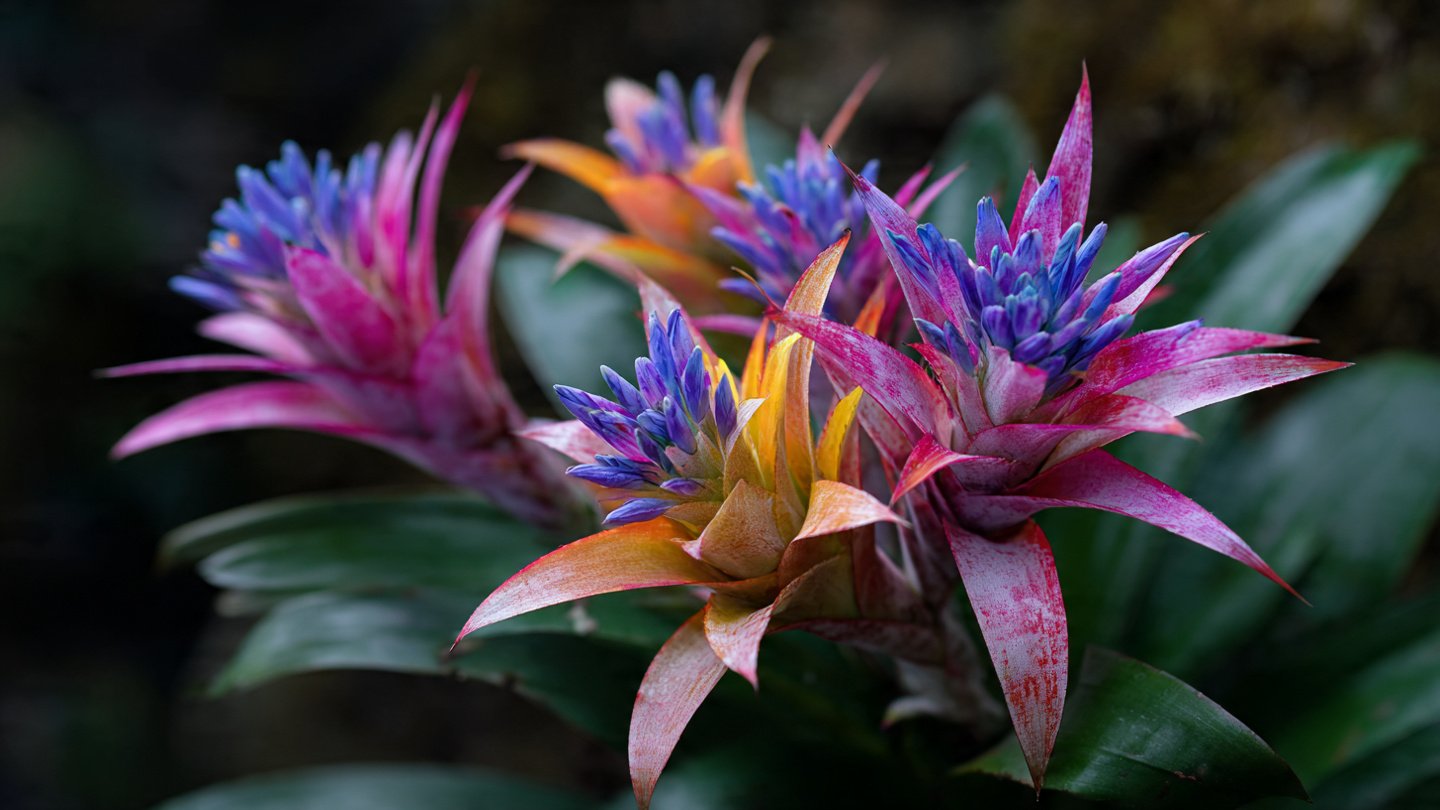

Bromeliads are stunning plants known for their vibrant colors and unique shapes. However, many enthusiasts encounter the unfortunate reality that their bromeliads often bloom just once. Understanding this behavior requires a look into the plant’s biology, life cycle, and environmental needs. In this article, we will explore the reasons behind the single bloom and how you can encourage more flowering in your bromeliads.
Understanding Bromeliad Life Cycle
Bromeliads belong to the family Bromeliaceae, which comprises over 3,000 species. Most bromeliads are epiphytic, meaning they grow on other plants for structural support but not nutrients. This unique adaptation influences their blooming cycle.
One of the key aspects of a bromeliad’s life cycle is that it typically flowers once per plant, which can last from several weeks to a few months, depending on the species. After blooming, the plant usually produces offsets, or “pups,” which can grow into new plants. This process can be both fascinating and a little disheartening for plant owners who may have expected a longer flowering period.
Factors Influencing Blooming in Bromeliads
Several factors can influence the blooming of bromeliads, including:
- Species Type: Different bromeliad species have varying blooming habits. Some species may bloom more frequently or have longer blooms than others.
- Age: Most bromeliads need to mature before flowering, often taking 2-3 years. Young plants may not bloom until they are fully grown.
- Light Conditions: Bromeliads generally thrive in bright, indirect light. Insufficient light may delay blooming.
- Watering Practices: Overwatering or underwatering can stress the plant, affecting its ability to flower. Bromeliads typically prefer well-draining soil and should be watered less frequently than other houseplants.
- Nutrient Availability: Bromeliads require specific nutrients for healthy growth. Lack of nutrients can hinder blooming.
- Environmental Stress: Factors such as temperature fluctuations, humidity levels, and even crowding from other plants can impact a bromeliad’s ability to bloom.
Encouraging More Flowers
If you’re eager to see more blooms from your bromeliads, several strategies can help encourage flowering:
1. Optimize Light Conditions
Ensure your bromeliad receives bright, indirect sunlight. Direct sunlight can scorch the leaves, while too little light can hinder blooming. Consider placing your plant near a window with filtered light or using grow lights if natural light is insufficient.
2. Adjust Watering Practices
Water your bromeliad carefully. Maintain a routine that keeps the central cup filled with water, but allow the soil to dry out between waterings. Overwatering can lead to root rot, while underwatering can cause the plant to stress and reduce blooming.
3. Provide Proper Nutrients
Feeding your bromeliad with a balanced fertilizer can significantly enhance its growth and blooming potential. Use a diluted liquid fertilizer formulated for bromeliads or orchids every 4-6 weeks during the growing season. Avoid excessive fertilization, as this can lead to salt buildup and damage the plant.
4. Manage Temperature and Humidity
Bromeliads prefer a warm and humid environment. Maintain temperatures between 65-80°F (18-27°C) during the day and slightly cooler at night. If you live in a dry climate, consider using a humidifier or placing a tray of water near your plants to increase humidity levels.
5. Encourage Pup Growth
After blooming, your bromeliad will produce pups. Allow these pups to grow to about one-third the size of the mother plant before separating them. This not only allows for the propagation of new plants but can also rejuvenate the mother plant, which may then bloom again under optimal conditions.
Common Myths About Bromeliads
There are various myths about bromeliads that can lead to misconceptions:
- Myth: Bromeliads only bloom once.
- Fact: While it’s true that the primary plant blooms once, the pups produced can also bloom later on.
- Myth: Bromeliads need constant watering.
- Fact: They prefer to dry out between waterings.
- Myth: Bromeliads thrive only in tropical climates.
- Fact: Many species adapt well to indoor environments.
Conclusion
While it’s common for bromeliads to bloom just once, understanding their life cycle and environmental needs can aid in encouraging future blooms. By optimizing light, watering, nutrients, temperature, and humidity, you can create a thriving environment that supports both the mother plant and its pups. This nurturing allows you to enjoy the beauty of these unique plants for years to come. With patience and the right care, you can transform your bromeliad collection into a vibrant display of color and life.
Frequently Asked Questions (FAQs)
1. How can I tell if my bromeliad is blooming?
You can identify a blooming bromeliad by looking for a central flower spike that emerges from the center of the plant. The spike may have colorful bracts and flowers, which can last several weeks.
2. How often should I water my bromeliad?
Water your bromeliad about once a week, ensuring the central cup remains full and the soil dries out between waterings. Adjust based on the humidity and temperature of your environment.
3. Can I force my bromeliad to bloom sooner?
While you cannot force a bromeliad to bloom, you can encourage it by providing the ideal conditions through proper light, temperature, watering, and fertilizing practices.
4. What should I do after my bromeliad blooms?
After blooming, allow the plant to continue growing. Look for offsets (pups) that can be separated and planted to grow new bromeliads.
5. Are all bromeliads one-time bloomers?
While many bromeliads are designed to bloom once, the pups they produce can bloom again. Each new plant can go through its own blooming cycle.