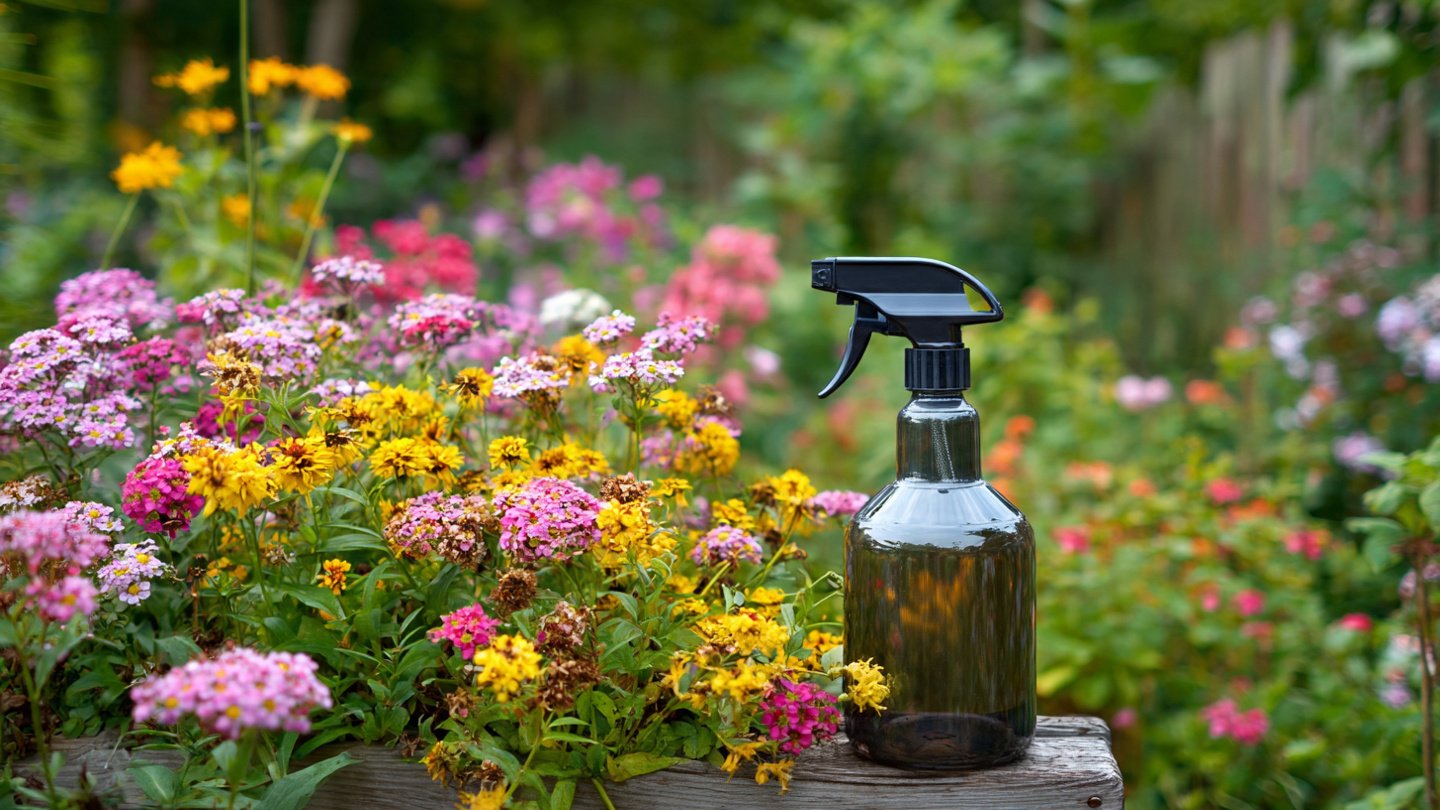

Gardening can be a rewarding hobby, but it also comes with its fair share of challenges, particularly when it comes to pests. In the quest for a beautiful flower garden, various pests can wreak havoc on your plants, something no gardener wants. While there are many commercial pesticides available, they often come with a host of chemical ingredients that can be harmful to the environment, pets, and even you. Enter vinegar—a humble kitchen staple that has gained recognition as an effective, natural pest control solution. This article delves into how vinegar works in keeping your flower garden pest-free and why it might just be the magic ingredient your garden has been missing.
Understanding Vinegar
Vinegar is an acetic acid solution that is created through the fermentation of ethanol. It is commonly used in cooking, cleaning, and even medical applications. The acetic acid content can range from 4-20%, with the most common household vinegar being around 5%. This acidity is what makes vinegar effective as a natural pesticide.
How Vinegar Deters Pests
Vinegar acts as an effective deterrent for various garden pests due to its strong scent and acidic properties. Several mechanisms contribute to its efficacy:
- Repellent Properties: Many insects, like ants and aphids, are repelled by the strong smell of vinegar, which disrupts their ability to find food and mates.
- Destructive to Insect Exoskeletons: The acidity of vinegar can be harmful to soft-bodied insects. When sprayed directly, it can effectively kill pests such as aphids, spider mites, and even some caterpillars.
- Mold and Fungus Control: Vinegar can also help combat fungal diseases that may affect your flowers by creating an inhospitable environment for fungal growth.
Benefits of Using Vinegar in Your Flower Garden
There are several advantages to using vinegar as a pest control solution in your flower garden:
- Environmentally Friendly: Unlike many chemical pesticides, vinegar is biodegradable and poses little risk to the environment, making it a safe choice for organic gardening.
- Cost-Effective: Vinegar is inexpensive and readily available in most households, making it an accessible option for all gardeners.
- Multi-Purpose: Besides pest control, vinegar can be utilized for cleaning garden tools, disinfecting surfaces, and even as a natural fertilizer when mixed with water.
- Non-Toxic to Pets and Wildlife: Using vinegar avoids the harmful effects of chemical pesticides, making it a safer option for gardens where pets or local wildlife may roam.
How to Use Vinegar for Pest Control
Implementing vinegar in your garden is simple. Here are a few effective methods:
1. Vinegar Spray
Create a vinegar spray by diluting equal parts of vinegar and water in a spray bottle. Test the mixture on a small section of your plants since different varieties may react differently. If there are no adverse effects after 24 hours, spray the solution directly onto affected areas, particularly targeting the undersides of leaves and the stems where pests often hide.
2. Vinegar Traps
For flying insects like fruit flies, create vinegar traps by mixing vinegar with a few drops of dish soap in a bowl. The vinegar attracts the flies, while the dish soap breaks the surface tension, trapping them.
3. Soil Treatment
Dilute vinegar with an even larger amount of water and use it to water the soil. This method can help reduce fungal spores in the soil and deter root pests.
4. Cleaning Tools
Using vinegar to clean gardening tools will help prevent the spread of diseases by eliminating pathogens that may linger on your equipment.
Considerations and Precautions
While vinegar can be extremely effective, it’s important to exercise caution:
- Avoid Overuse: Excessive application can harm your plants, particularly delicate flowers. Always dilute vinegar before use.
- Watch for Plant Sensitivity: Different plants may have varying levels of tolerance to vinegar. Conduct patch tests to ensure your plants can handle it.
- Store Safely: Vinegar should be kept out of reach of children and pets to prevent accidental ingestion.
Conclusion
In conclusion, vinegar is an effective, natural alternative for keeping your flower garden free of pests. Its acetic acid content works wonders as a repellent and a remedy for various garden nuisances while being environmentally friendly, cost-effective, and safe for pets and wildlife. By incorporating vinegar into your gardening routines, you can enhance not only the health of your plants but also contribute to a sustainable gardening practice. Remember to use it thoughtfully, and enjoy the beauty of a thriving, pest-free flower garden.
FAQs
1. Is vinegar safe for all types of flowers?
No, some flowers may be sensitive to vinegar. Always test a small area before applying it broadly.
2. How often should I use vinegar for pest control?
You can use it once a week or as needed, but avoid over-application to prevent plant damage.
3. Can I use vinegar with other pest control methods?
Yes, vinegar can be used in conjunction with other organic pest control methods for enhanced effectiveness.
4. Will vinegar kill beneficial insects?
Yes, vinegar can potentially harm beneficial insects, so apply it with caution and target infested areas specifically.
5. Can vinegar be used as a fertilizer?
Vinegar can help balance the pH of the soil when diluted properly, but it should not be relied upon as a sole fertilizer source.