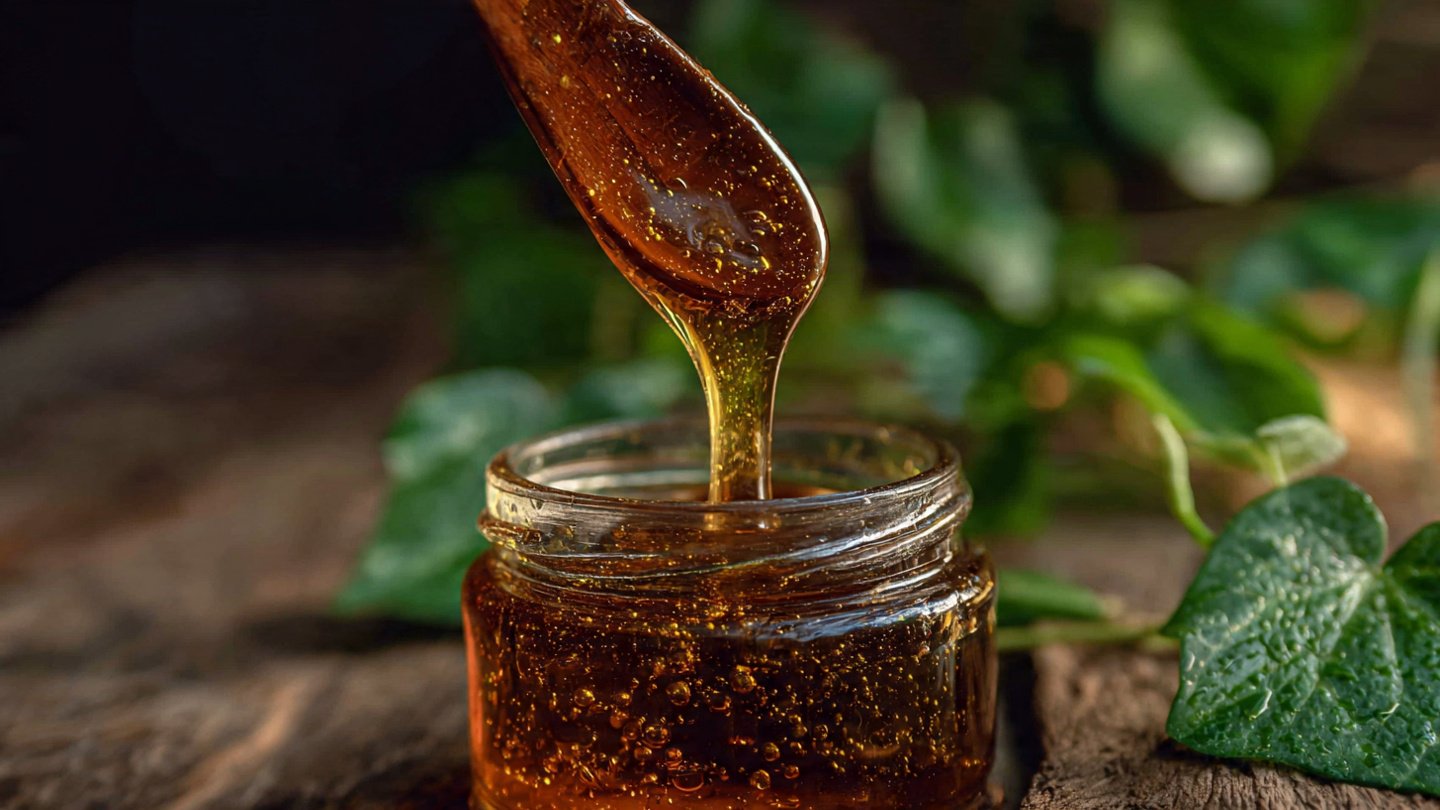

Rooting cuttings is a popular method for propagating plants, allowing gardeners to create new plants from parent specimens. While chemical rooting hormones are widely available, many gardeners are turning to natural alternatives. One remarkable natural rooting hormone is honey. Rich in nutrients and possessing unique properties, honey effectively promotes root development in plant cuttings. This article will explore the reasons why honey can be an effective rooting hormone and the science behind its efficacy.
The Composition of Honey
Honey is a complex substance composed primarily of sugars (glucose and fructose) and varying amounts of minerals, vitamins, and enzymes. Its unique properties stem from its natural composition, which includes:
- Natural Sugars: The presence of simple sugars provides an energy source that supports the metabolic processes in cuttings.
- Antimicrobial Properties: Honey has natural antibacterial and antifungal properties due to its low moisture content and high acidity, preventing cuttings from rotting.
- Vitamins and Minerals: The various vitamins and minerals found in honey can nourish the cuttings, aiding in root development.
- Hydrogen Peroxide: Honey produces small amounts of hydrogen peroxide, which can promote cell division and encourage root growth.
The Science Behind Rooting
Rooting hormones work by stimulating root formation in a cutting, typically through the promotion of cell division and differentiation. While synthetic rooting hormones (like auxins) are often used, honey provides a natural alternative that has been shown to be effective in stimulating root growth. Here’s how:
1. Energy Source
Root cuttings require energy to initiate new growth. The simple sugars in honey promote energy metabolism, allowing the cutting to utilize this energy for cellular activities associated with rooting. This energy helps stimulate the necessary biological processes, enhancing overall growth.
2. Antimicrobial Effects
The antimicrobial properties of honey ensure that cuttings are protected from pathogens that could otherwise inhibit root development or cause decay. By preventing infections, honey allows the cuttings to establish roots more rapidly and effectively.
3. Enhanced Nutrient Absorption
The vitamins and minerals in honey improve nutrient uptake in cuttings. When cuttings absorb nutrients more effectively, they are better equipped to form roots and develop into healthy plants.
4. Promotion of Cell Division
The presence of hydrogen peroxide contributes to the promotion of cell division in the root zone. This is a crucial aspect of root development, as it leads to the formation of root hairs, which enhance water and nutrient absorption.
How to Use Honey for Rooting Cuttings
Using honey as a rooting hormone is simple and requires a few easy steps:
Step 1: Prepare Your Cuttings
Select healthy stem cuttings from a parent plant. Ensure that the cuttings are between 4 to 6 inches long and contain at least a few leaf nodes.
Step 2: Dip the Cuttings
Pour a small amount of honey into a container. Dip the cut end of each cutting into the honey, ensuring it is thoroughly coated. The honey will adhere to the surface and begin supporting root growth.
Step 3: Plant the Cuttings
Insert the honey-coated cuttings into a potting mix or soil, ensuring they are planted deep enough to remain upright. Water the soil lightly to ensure moisture without over-saturating.
Step 4: Provide Optimal Conditions
Place the pots in a warm, humid environment with indirect sunlight. Maintaining appropriate humidity levels (such as covering the cuttings with a plastic bag or dome) can further enhance rooting.
Advantages of Using Honey as a Rooting Hormone
- Natural and Non-Toxic: Unlike synthetic hormones, honey is organic and safe for both the environment and the gardener.
- Cost-Effective: Honey is often less expensive than commercial rooting hormones and can be found in most kitchens.
- Availability: Honey is widely available and can be used in various gardening applications, not just for cuttings.
- Improved Plant Health: Using honey may lead to stronger, healthier plants due to its nourishing properties.
Considerations When Using Honey
While honey is an effective alternative to synthetic rooting hormones, there are a few considerations to keep in mind:
- Types of Honey: Raw honey is preferable, as it retains more beneficial properties compared to processed honey. Processed honey may have been filtered and heated, potentially losing some of its natural benefits.
- Experimentation: Different plant species may respond differently to honey as a rooting hormone. It can be a good idea to experiment with various types of cuttings to observe the effectiveness.
- Moisture Management: While honey can aid in rooting, overwatering your cuttings can still lead to rot. Ensure good drainage and do not leave cuttings in overly wet soil.
Conclusion
Honey serves as a remarkable natural rooting hormone due to its unique composition and beneficial properties. Its ability to provide energy, protect against pathogens, enhance nutrient absorption, and promote cell division makes it a fantastic choice for propagating plant cuttings. By utilizing honey instead of synthetic chemicals, gardeners can foster a more organic approach to plant propagation. Whether you are a seasoned gardener or a novice, incorporating honey into your rooting process could yield beautiful results.
FAQs
1. Can I use any type of honey for rooting cuttings?
Raw honey is preferred because it retains more beneficial properties, unlike processed honey which may be heated and filtered.
2. How long does it take for cuttings to root using honey?
The time for cuttings to root varies by plant species, but with the right conditions, roots can start developing within a few weeks.
3. Can honey be used for all types of plants?
While honey can be effective for many plants, results may vary. It’s best to experiment with different species to evaluate their response.
4. Should I dilute honey before using it on cuttings?
No, using honey in its pure form is most effective. Diluting it may reduce its concentrations of beneficial properties.
5. Are there any disadvantages to using honey as a rooting hormone?
While honey has many benefits, it may not work as effectively for some plant species compared to synthetic hormones. Additionally, overwatering can lead to issues regardless of the rooting method used.