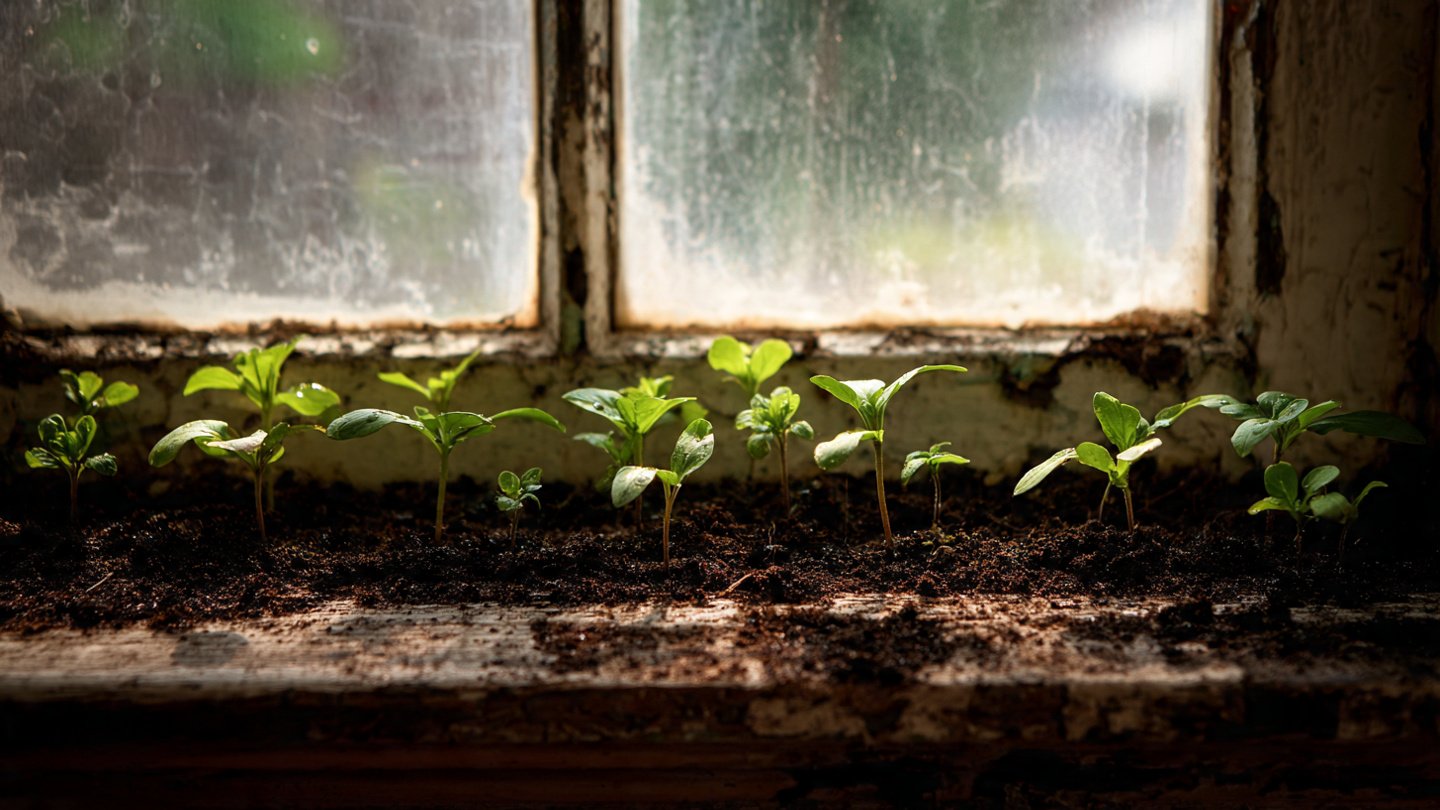

If you’ve ever started seedlings indoors, you’ve probably noticed them stretching and leaning toward the window. This behavior, known as phototropism, is a fascinating phenomenon governed by the plant’s innate need for light. While it might seem like a natural occurrence, understanding the reasons behind your seedlings leaning can provide valuable insights into plant health and proper growing conditions. In this article, we will explore the reasons behind this leaning, the science of phototropism, how to manage your seedlings’ growth effectively, and best practices for indoor seedling care.
The Science of Phototropism
Phototropism is the growth response of plants to light. When light is more intense on one side of a plant than the other, the plant hormones known as auxins accumulate on the shaded side. This chemical change promotes faster growth on the shaded side compared to the heavily illuminated side. As a result, the plant bends toward the light source.
The Role of Auxins
Auxins are a class of plant hormones that play a pivotal role in cell elongation. When seedlings sense light, they effectively redistribute these hormones. Essentially, auxins speed up the growth of cells on the darker side so that the plant can orient itself toward the light.
This process is crucial for seedlings, which often emerge from dark soil and need to find sunlight to thrive. If they don’t receive adequate light, they will continue to stretch and lean, often becoming weak and leggy.
The Importance of Light in Early Growth Stages
Light is essential during the early growth stages of seedlings for several reasons:
- Photosynthesis: The primary process by which plants convert light energy into chemical energy. Without sufficient light, seedlings cannot produce the food they need to grow.
- Development of Strong Stems: Adequate light encourages strong, healthy stems, helping seedlings to support their leaves and fruit in the future.
- Prevention of Etiolation: This is the process through which plant seedlings become elongated, pale, and weak due to insufficient light.
Reasons Your Seedlings May Be Leaning
Inadequate Light Source
One of the primary reasons your seedlings may be leaning toward the window is insufficient light. If the only source of light comes from one side, seedlings will naturally grow toward it. Several factors contribute to inadequate light conditions:
- Limited Window Exposure: If the window is small or blocked by curtains, shades, or outside objects, the amount of light that reaches the seedlings can be dramatically reduced.
- Type of Light: Natural sunlight varies in intensity depending on the time of year, time of day, and weather conditions. Overcast days provide less light, which can lead to leaning.
- Distance from the Window: The closer the seedlings are to the window, the better. If they’re too far away, they might not receive enough light, prompting them to stretch.
Poor Growing Conditions
Factors outside of light can also influence how and why your seedlings lean. These can include:
- Temperature: The temperature near a window can fluctuate more than areas further away. If seedlings are too cold, they may lean as they search for warmth where better light conditions exist.
- Watering Practices: Inconsistent watering can stress seedlings. Overwatered seedlings can become weak and leggy, while underwatered seedlings may stretch in search of moisture.
- Soil Quality: Nutrient-deficient or compacted soil can prevent seedlings from developing sturdy root systems necessary for strong leading shoots.
Addressing Leaning Seedlings
If you notice your seedlings are leaning toward the window, there are several solutions to address this issue.
Rotate Your Seedlings
One of the simplest solutions is to rotate your seedlings regularly. By turning pots periodically, you can ensure that each side receives light, promoting even growth and preventing them from leaning to one side.
Supplemental Lighting
If natural light is inadequate, consider using grow lights. These artificial lights mimic the spectrum of sunlight and can be adjusted for intensity and duration:
- Types of Grow Lights: LED, fluorescent, and incandescent lights are available options. Each type has its merits and can be selected based on your budget and needs.
- Placement: Position the grow lights about 6-12 inches away from the seedlings, adjusting height as they grow. Aim for 14-16 hours of light per day for optimal growth.
Adjusting Water and Soil Conditions
Ensure your seedlings are receiving the proper amount of water. Here are some tips:
- Watering Schedule: Water only when the top inch of the soil feels dry. Consistent moisture helps prevent seedling stress.
- Soil Type: Use a quality seed starting mix that offers adequate drainage and aeration. This will promote healthier root growth.
Maintain Temperature Consistency
Ensure that your planting area maintains consistent temperature conditions. Aim for a temperature range suitable for your particular seedlings—most thrive in an environment between 65°F to 75°F (18°C to 24°C). If the temperatures near the window fluctuate significantly, consider moving seedlings to a more stable environment.
Recognizing When to Repot
If your seedlings are leaning excessively or are becoming root-bound, it may be time to consider transplanting them into larger pots. When the roots fill up one pot, it becomes difficult for the plant to absorb nutrients and water adequately. Signs of a root-bound plant can include:
- Roots growing out of the drainage holes.
- Water pooling on the soil surface.
- Stunted growth despite adequate light and water.
Transplanting offers roots more room to grow and stabilize your seedlings, resulting in healthier plants.
The Importance of Strong Seedlings
Healthy seedlings are vital for a productive garden. Leggy, weak plants are often more susceptible to diseases and produce fewer yields. By ensuring your seedlings are getting the right amount of light, water, temperature, and nutrients, you’re setting the stage for strong and resilient plants.
Signs of Healthy Seedlings
Healthy seedlings typically display:
- Thick, sturdy stems: A robust stem supports better leaf and fruit growth.
- Vibrant green leaves: Color indicates successful photosynthesis and nutrient uptake.
- Well-developed root systems: Healthy roots anchor the plant and help it access water and nutrients.
Conclusion
Seedlings leaning toward the window is a common occurrence rooted in the need for light. While phototropism is a natural response, it can lead to leggy, weak plants if left unchecked. Understanding the underlying reasons for leaning seedlings allows gardeners to take proactive steps to create optimal growing conditions.
By ensuring adequate lighting, consistent watering, suitable soil, and stable temperatures, you can cultivate strong, healthy seedlings ready for transplantation into your outdoor garden. Ultimately, your observations and interventions can lead to a flourishing garden, bringing joy and sustenance to you and your family. With a little care and attention, your seedlings will thrive, standing tall and healthy, rather than leaning toward the window.