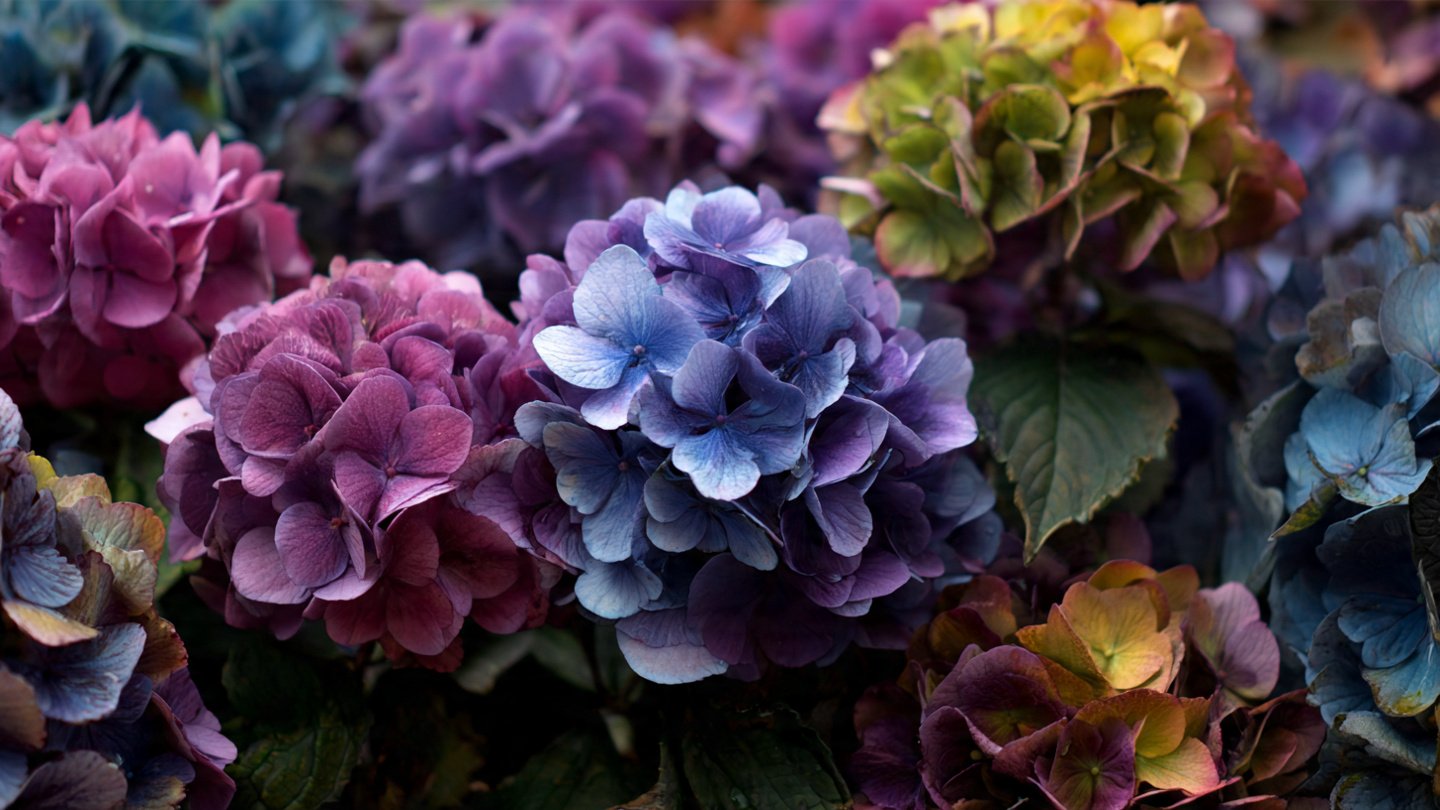

Hydrangeas are beloved for their lush blooms and vibrant colors that brighten gardens and landscapes alike. However, many gardeners encounter a troubling phenomenon where their hydrangeas seem to be shrinking year after year rather than thriving. Understanding the various factors that contribute to this issue can help restore your hydrangeas to their former glory. This article explores the reasons behind dwindling hydrangea sizes, potential solutions, and preventive measures to maintain their flourishing appearance.
Understanding Hydrangeas
Before delving into the reasons behind shrinking hydrangeas, it is essential to understand the plant itself. Hydrangeas are flowering shrubs that belong to the family Hydrangeaceae. They come in various species, including Hydrangea macrophylla, Hydrangea paniculata, and Hydrangea quercifolia, each with unique growth habits and bloom characteristics.
These shrubs are generally known for their relatively fast growth and ability to thrive in a range of conditions. However, factors such as location, care practices, and environmental stressors can affect their overall health and size.
Common Causes of Shrinking Hydrangeas
1. Improper Pruning
One of the most common reasons for shrinking hydrangeas is improper pruning. Many gardeners are unaware that the timing and method of pruning can significantly affect the plant’s growth. Hydrangeas generally bloom on either old wood or new wood, which dictates when and how to prune them:
- Old Wood Bloomers: Hydrangeas like H. macrophylla bloom on last year’s growth. Pruning too early in the season can remove potential blooms.
- New Wood Bloomers: Hydrangeas such as H. paniculata bloom on new growth. While they can be pruned in late winter or early spring, excessive pruning can reduce bloom size and frequency.
2. Insufficient Sunlight
Hydrangeas typically prefer dappled sunlight or partial shade, but the amount of sun they receive can greatly affect their growth. Insufficient sunlight can lead to sparse, smaller blooms and weaker stems. If your hydrangeas are in a shaded area that has become denser over time due to surrounding plants growing, this may be the reason why your hydrangeas are shrinking.
3. Watering Issues
Both overwatering and underwatering can lead to poor plant health. Hydrangeas require consistent moisture, but their roots do not like to sit in waterlogged soil. Signs of overwatering include yellowing leaves and root rot, while underwatering leads to wilting and drooping foliage. Maintaining a balanced watering schedule is crucial for maintaining healthy hydrangeas.
4. Nutrient Deficiency
Hydrangeas thrive in nutrient-rich soil. Over time, the soil may lose essential nutrients due to plant uptake or environmental factors. A lack of nutrients such as nitrogen, phosphorus, and potassium can result in poor growth and smaller blooms. Regularly fertilizing during the growing season with a balanced fertilizer can significantly improve their health.
5. Pest and Disease Infestation
Pests like aphids, spider mites, and Japanese beetles can wreak havoc on hydrangeas. They feed on the plant’s sap, leading to weakened growth and smaller flowers. Additionally, diseases such as powdery mildew and root rot can stunt growth. Regular inspections and proactive treatment can prevent these issues from spiraling out of control.
6. Environmental Stressors
Environmental stressors, including extreme temperatures, drought, or heavy rains, can affect the health of hydrangeas. For instance, a harsh winter can damage the buds, while summer heat can stress the plant and affect blooming. Being proactive about the conditions surrounding your hydrangeas can help mitigate the impact of these stressors.
How to Restore and Maintain Healthy Hydrangeas
To ensure your hydrangeas are healthy and vibrant every season, follow these guidelines:
1. Prune Correctly
Research the specific type of hydrangea you have to understand the best pruning practices. Aim to remove dead or weak stems while leaving healthy shoots intact.
2. Monitor Sun Exposure
Evaluate the sunlight conditions your hydrangeas receive. If no longer getting adequate sunlight, consider relocating the shrub or pruning surrounding plants to allow more light.
3. Water Wisely
Establish a consistent watering schedule. The top inch of soil should be kept moist but not saturated. Consider using mulch to retain moisture and regulate soil temperature.
4. Fertilize Regularly
Use a balanced fertilizer in the spring, and consider adding organic compost to enrich the soil. Always follow the recommended guidelines on packaging for application rates.
5. Keep an Eye Out for Pests
Regularly check for signs of pests and diseases. Early intervention can prevent infestations from escalating. Consider using organic pest control methods to maintain a healthy garden ecosystem.
6. Adapt to Environmental Changes
Implement protective measures during extreme weather, such as covering plants during frost or providing shade during heatwaves. If necessary, invest in irrigation solutions to manage water supply during dry spells.
Conclusion
Understanding why your hydrangeas are shrinking year after year is vital for maintaining their health and vibrancy. By paying attention to factors like pruning, sunlight, watering, nutrition, and environmental conditions, you can rejuvenate your hydrangeas and enjoy their stunning blooms once again. A little care and monitoring can go a long way in preserving these beautiful plants.
FAQs
1. Can hydrangeas be grown in full sun?
While some varieties can tolerate full sun, most hydrangeas prefer partial shade to prevent wilting or scorch. It’s crucial to understand the specific needs of your variety.
2. How often should I water my hydrangeas?
Hydrangeas typically need about 1 to 2 inches of water per week. However, this can vary based on climate, soil type, and overall health.
3. Why do my hydrangea leaves turn yellow?
Yellow leaves can indicate various problems, including nutrient deficiencies, overwatering, or underwatering. It’s essential to diagnose the issue before treatment.
4. When is the best time to prune hydrangeas?
The best time to prune depends on the type of hydrangea. Generally, it’s advisable to prune right after blooming for old wood bloomers and in late winter or early spring for new wood bloomers.
5. How can I encourage my hydrangeas to bloom more?
Ensuring proper care, such as adequate sunlight, consistent watering, and fertilizing, can encourage more blooms. Also, understand the specific needs of your hydrangea variety for optimal results.