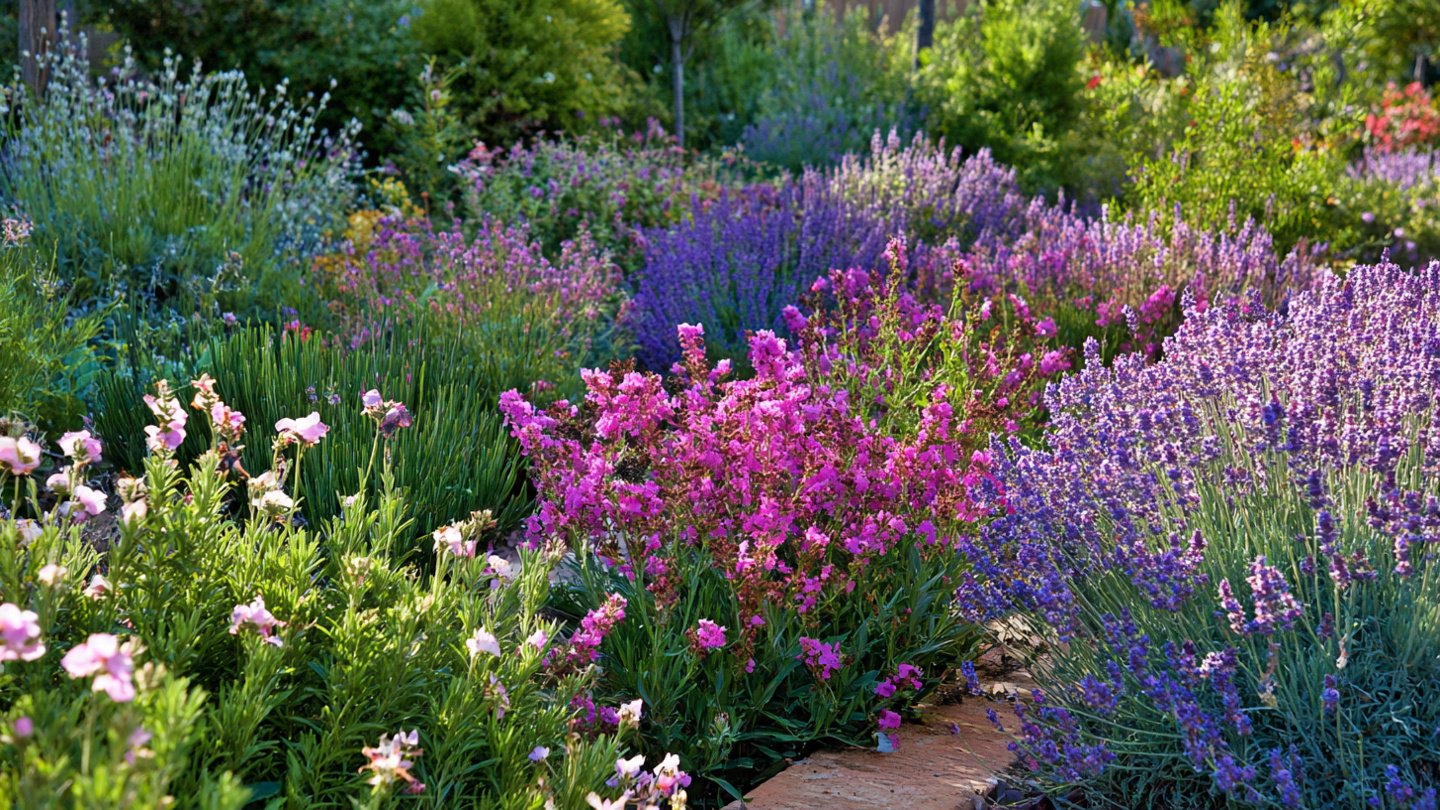

The Importance of Scent in the Garden
Gardening is often associated with visual beauty, but one of the most enchanting aspects of gardening is the wonderful scents that various plants emit. A fragrant garden not only adds to the aesthetic appeal of your outdoor space but can also enhance your mood, promote relaxation, and even attract beneficial wildlife. The key to cultivating a fragrant garden lies in plant selection, strategic planning, and ongoing maintenance.
Planning Your Fragrant Garden
To successfully create a fragrant garden that flourishes throughout the year, careful planning is essential. Here are some crucial steps to consider:
1. Choose the Right Location
Most fragrant plants thrive in full sun, so select a location that receives at least six hours of sunlight daily. Additionally, consider the wind direction; positioning your garden near your home entrance or patio will allow the delightful scents to reach you more effectively.
2. Know Your Climate Zone
Understanding your local climate will enable you to select plants that will thrive in your area. Research climate zones and choose plants that are well-adapted to your environment for year-round fragrance.
3. Plan for Year-Round Blossoms
A key component of a fragrant garden is choosing plants that bloom at different times throughout the year. Consider the following categories of fragrant plants:
- Spring Bloomers: Lilacs, hyacinths, and jasmine are excellent choices.
- Summer Blooms: Roses, lavender, and gardenias fill the air with delightful fragrances.
- Fall Fragrance: Asters and chrysanthemums can continue the aromatic experience into autumn.
- Winter Scents: Consider the sweetness of wintersweet and the striking scent of daphne for winter blooms.
Choosing Fragrant Plants
The choice of plants will greatly determine the fragrance profile of your garden. Here are some sophisticated plant selections for every season:
Spring Scented Plants
- Jasmine: Known for its sweet, exotic scent, jasmine is a must-have.
- Hyacinth: Its bold fragrance can fill an entire garden.
- Lilac: A timeless classic with a captivating aroma.
Summer Fragrance
- Roses: Available in countless varieties, roses offer a fragrance that is both sweet and romantic.
- Lavender: Its calming scent is perfect for summer evenings.
- Geraniums: Some varieties, like lemon-scented geraniums, provide a refreshing fragrance.
Fall Aromas
- Asters: These late bloomers add color and a mild scent.
- Chrysanthemums: Popular for fall gardens, they come in various colors and scents.
Winter Fragrances
- Winter Honeysuckle: This perennial plant releases sweet scents even in the cold.
- Daphne: Often considered one of the most fragrant shrubs, providing winter beauty and aroma.
- Sweet Box (Sarcococca): It blooms in winter and is known for its powerful scent.
Creating Layers and Textures
A successful garden is not just about scent; it’s also about creating visual interest. Layering plants with varying heights and textures can enhance the experience of your fragrant garden.
1. Vertical Layering
Utilize taller plants towards the back of borders, while shorter plants can be placed in the front. This arrangement not only creates depth but allows for easier access to the scent of lower-growing plants.
2. Textural Variety
Incorporate various leaf shapes and sizes to add visual appeal. Combining the fine foliage of lavender with the broad leaves of hostas can create a stunning effect.
Maintenance for Sustained Fragrance
Even the most exquisite fragrant garden cannot thrive without proper maintenance. Here are some essential maintenance tips:
1. Regular Deadheading
Removing spent flowers encourages new blooms, ensuring that your garden remains visually appealing and fragrant. Deadheading also helps the plants devote energy to new growth rather than seed production.
2. Proper Watering
Watering practices vary among plant types. Most fragrant flowers prefer well-draining soil; therefore, avoid overwatering. A consistent watering schedule will encourage healthy growth and more fragrant blooms.
3. Fertilization
Use organic fertilizers to provide nutrients without overloading the plants. A well-fed plant generally produces more flowers, consequently enhancing the fragrance.
4. Pruning and Trimming
Regular pruning helps promote bushier growth, which often leads to more blooms. Each plant has different pruning needs, so be informed about your specific species.
Seasonal Tips for Fragrance
Every season brings unique opportunities for cultivating fragrance in your garden:
Spring Tips
Spring is an excellent time for planting both summer and fall-blooming fragrant plants. Don’t forget to clear away winter debris to make way for new growth.
Summer Tips
During the summer months, sonic water your plants more frequently and romantic evening strolls can be enhanced by lighting garden spaces to emphasize fragrant blooms.
Fall Tips
As temperatures drop, prepare your garden for winter and ensure you have late-blooming plants in place. Consider using mulch to protect the root systems of your fragrant plants.
Winter Tips
Winter is a time to focus on evergreen foliage and any winter-blooming plants. Consider planting sweet box for their enchanting smell during the cold months.
Conclusion
Creating a fragrant garden that delights the senses year-round is a rewarding endeavor. By meticulously selecting plants, planning for seasonal variations, and committing to ongoing maintenance, you can design an outdoor space that not only captivates your eyes but also enchants with its delightful aromas. A well-cultivated fragrant garden can serve as a sanctuary, elevating your outdoor experience and providing a serene escape.
FAQs
1. What are the best fragrant plants for shady areas?
In shady areas, consider sweet box, daphne, and some varieties of hellebores, which can thrive with little sunlight while still providing fragrance.
2. How can I enhance the fragrance of my garden?
Incorporate a variety of fragrant plants, ensure proper care and maintenance, and position plants strategically to maximize scent dispersal.
3. Can I grow fragrant plants in containers?
Absolutely! Many fragrant plants thrive in containers, making them perfect for patios and porch displays. Make sure to choose the right size pot and provide adequate drainage.
4. Are there any fragrant plants that repel pests?
Yes, some fragrant plants like lavender and mint can deter pests, while also adding pleasing scents to your garden.
5. When is the best time to plant fragrant plants?
The best time for planting fragrant plants generally depends on the specific varieties, but spring and early fall are ideal for most species.