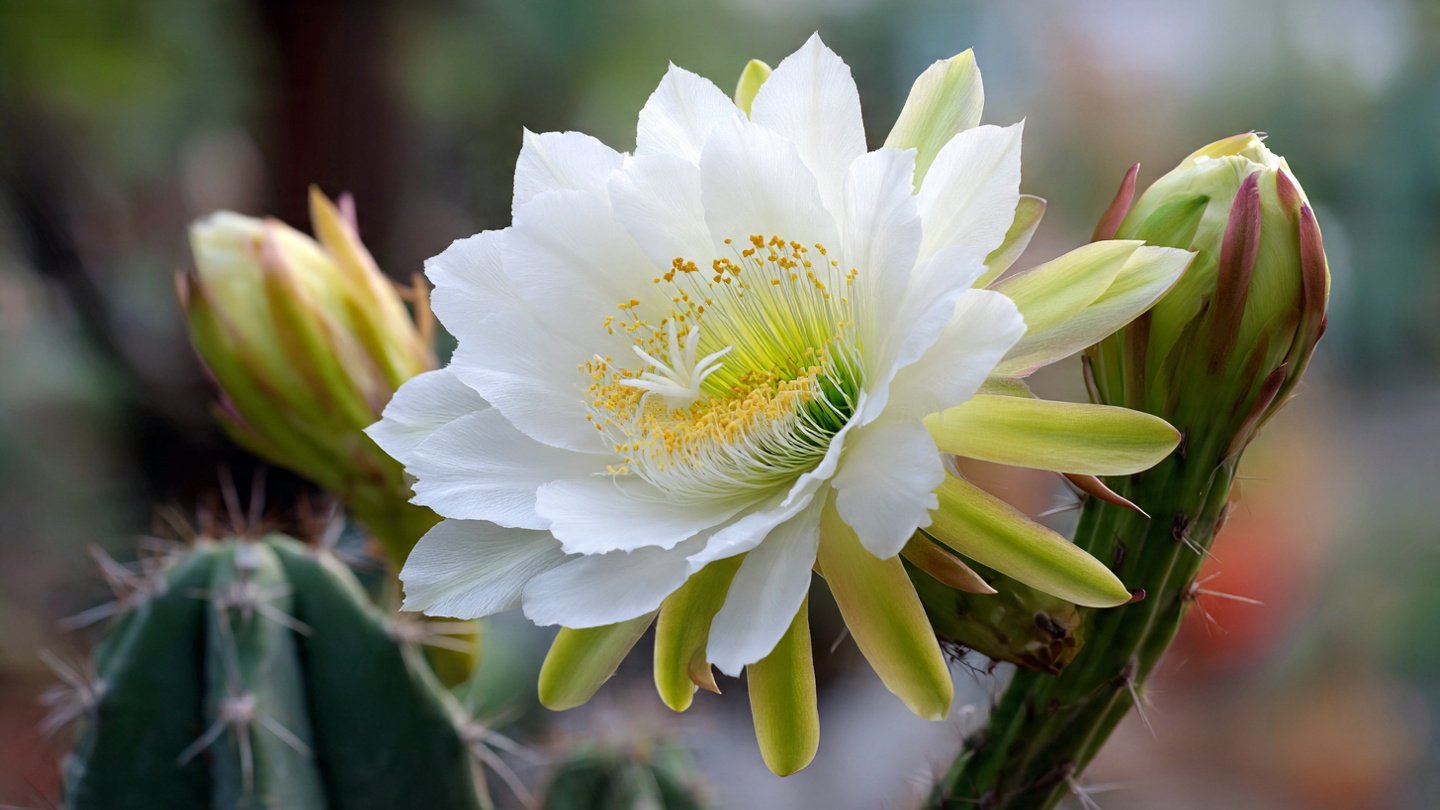

Cacti are among the most resilient plants you can grow, thriving in harsh conditions where many other species would struggle. However, getting them to bloom can be an elusive goal for many gardeners. While cacti are known for their unique beauty and minimal care requirements, understanding the specific needs for flowering can enrich your gardening experience. In this article, we will explore the hidden tricks to coaxing your cactus into bloom, focusing on factors like light, water, feeding practices, and seasonal care. You’ll discover how to optimize your cactus care to ensure those vibrant flowers emerge beautifully.
Understanding Cactus Biology
Before diving into the tricks for making your cactus bloom, it’s essential to understand the biology of cacti. Cacti belong to the family Cactaceae, and they possess unique adaptations that enable them to store water and thrive in arid climates. This ability to survive drought situations often leads to misconceptions: many believe that cacti need minimal care, when in reality, they have specific requirements for flourishing, especially when it comes to flowering.
The Importance of Light
Light plays a crucial role in the growth and blooming of cacti. Most cacti prefer bright, indirect sunlight. If a cactus doesn’t receive enough light, it will not bloom, as the energy produced during photosynthesis is vital for flower development. Here are some tips:
- Place in Bright Light: Position your cactus in a south or west-facing window where it can receive ample light.
- Avoid Direct Sunlight: While cacti enjoy bright conditions, too much direct sunlight can scorch their skin. Look out for signs of sunburn.
- Rotate Regularly: Rotating your cactus every couple of weeks can help it grow evenly and prevent it from leaning toward the light source.
Watering Wisely
When it comes to watering, cacti require a different approach than most houseplants. Overwatering is one of the most common mistakes made by cactus owners. While cacti are drought-resistant, they need appropriate watering to promote blooming. Here’s how:
- Water Sparingly: Allow the soil to dry out completely between waterings. This can mean watering as infrequently as every few weeks in the dormant season.
- Use Well-Draining Soil: Ensure you’re planting your cactus in a soil mix designed for cacti and succulents, which typically contains sand and perlite for drainage.
- Seasonal Changes: Water frequency should increase during the growing season (spring and summer) and decrease significantly in the fall and winter months.
- Monitor Conditions: Humidity and temperature can affect your cactus’s water needs. Always adjust accordingly.
Fertilizing for Flowering
Another hidden trick to ensuring your cactus blooms is proper fertilization. While cacti are naturally adapted to low-nutrient environments, they do benefit from specific nutrients during their growing season.
- Choose the Right Fertilizer: Use a diluted, balanced fertilizer specifically formulated for cacti—look for a ratio of something like 5-10-10 (nitrogen-phosphorus-potassium).
- Feeding Schedule: Feed your cactus every 4-6 weeks during the spring and summer months, when the plant is actively growing, and reduce feeding to once in the fall for dormancy preparation.
- Avoid Over-Fertilization: Too much fertilizer can cause lethargic growth and may even hinder blooming.
Temperature and Humidity
Cacti are generally used to high temperatures during the day and cooler temperatures at night. Mimicking these conditions can be instrumental in promoting blooming:
- Daytime Temperature: Aim for daytime temperatures between 70°F and 100°F (21°C to 38°C) during the growing season.
- Nighttime Drop: A drop in temperature at night to around 50°F (10°C) can encourage flowering.
- Ideal Humidity: Cacti prefer low humidity. Keep your cactus in dry conditions to ensure it thrives.
Seasonal Care and Resting Periods
Every cactus needs a dormant resting period, typically during the fall and winter months. During this time, it’s critical to adjust your care. Here’s how:
- Reduce Watering: Cut back on watering significantly during dormancy; the plant won’t need as much water and can rot if overwatered.
- Limit Fertilization: Cease fertilizing during the dormancy period. This allows the cactus to conserve energy.
- Temperature Regulation: Maintain them in cooler temperatures during this period to simulate their natural habitat.
Pest Control and Disease Prevention
Keeping your cactus healthy and free from pests can significantly impact its ability to bloom. To ensure your cactus remains healthy:
- Regular Inspections: Check for signs of pests such as mealybugs or spider mites. The sooner you catch infestations, the better.
- Proper Hygiene: Keep the area around your cactus clean and devoid of fallen debris, which can harbor pests.
- Use Natural Pesticides: If you notice pests, using diluted neem oil is a natural way to combat them without harming your plant.
Patience is Key
Perhaps the most crucial trick for getting your cactus to bloom is patience. Cacti can take several years to flower, depending on the species and growing conditions. Once you’ve established the right environment, focus on nurturing your cactus through its growing and dormant phases. Consistent care and observation can lead to beautiful blossoms when the time is right.
Conclusion
In summary, encouraging your cactus to bloom involves understanding its unique biology and accommodating its needs in terms of light, water, fertilization, temperature, and humidity. By providing a stable environment, adjusting care throughout the seasons, and practicing patience, you can increase your chances of witnessing your cactus bloom into a vibrant display of flowers. As you apply these hidden tricks, remember that each cactus is unique and may require a tailored approach to blooming.
FAQs
1. How long does it take for a cactus to bloom?
The time it takes for a cactus to bloom can vary significantly depending on the species. Some cacti may bloom within a few years, while others may take a decade or longer. Growth conditions, care, and age all contribute to blooming time.
2. Can I force my cactus to bloom?
While you cannot force a cactus to bloom, you can create optimal conditions to encourage flowering. This involves providing proper light, water, and a suitable environment to ensure the cactus feels comfortable enough to produce flowers.
3. How do I know if my cactus is healthy?
A healthy cactus typically has firm, vibrant skin and shows signs of growth, such as new spines or pads. Conversely, signs of stress or rot, such as soft or discolored patches, indicate that the plant may not be healthy.
4. What should I do if my cactus is not blooming?
If your cactus is not blooming, review its care routine. Ensure it receives adequate light, proper watering, and fertilization, and provide a suitable temperature and humidity. Also, give it enough time—sometimes it just needs more time to adapt.
5. When is the best time to repot my cactus?
The best time to repot a cactus is during its active growing season, typically in spring. This will allow it to recover more quickly from any stress induced by repotting.