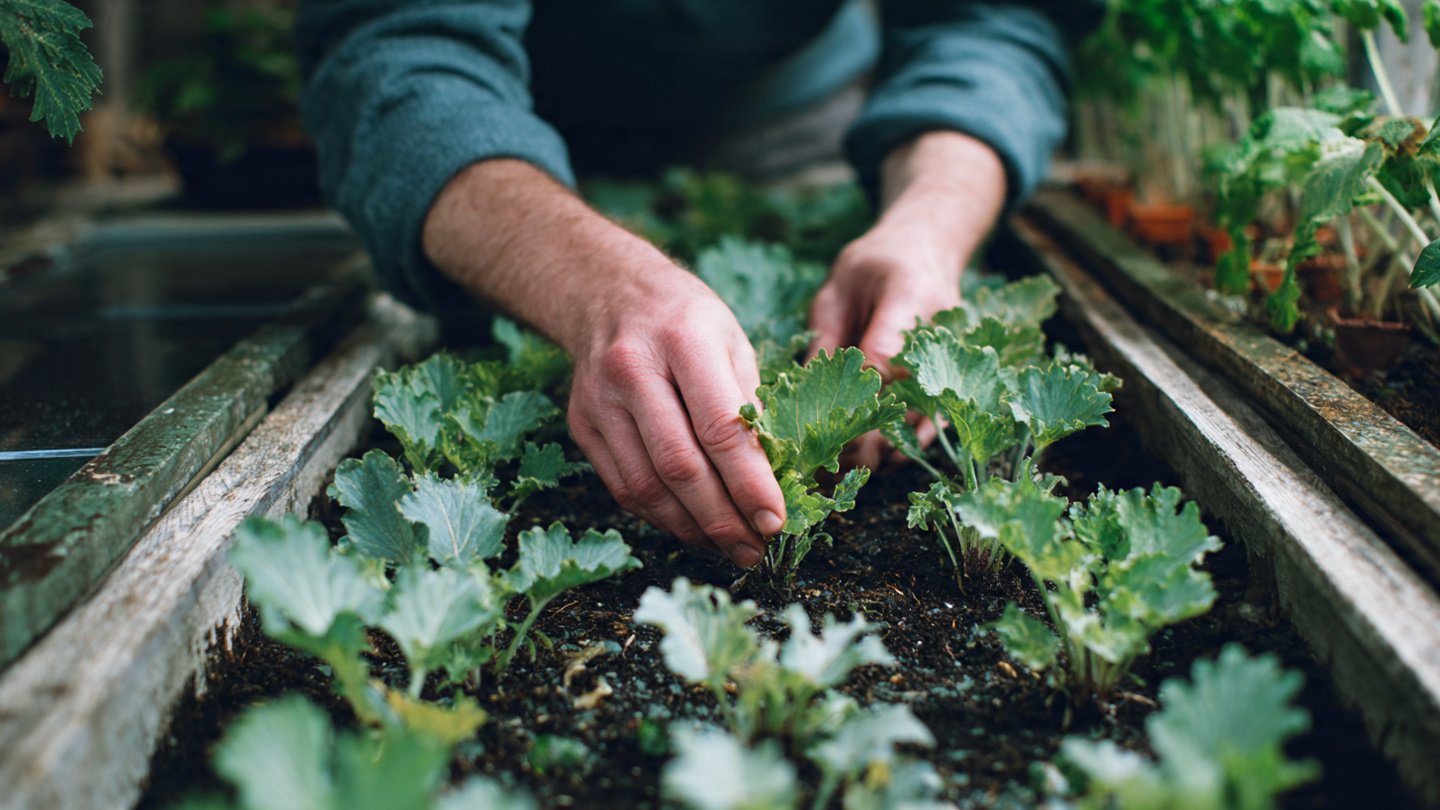

As the chill of winter approaches, avid gardeners often face the dilemma of how to save their prized cuttings. Whether you’re aiming to propagate your favorite perennials or shield tender annuals, a cold frame can be a lifesaver. This article outlines the essential steps to successfully overwinter your cuttings in a simple cold frame, ensuring a vibrant garden come spring.
Understanding Cold Frames
A cold frame is a basic gardening structure that acts as a microclimate for plants. Typically constructed from wood or other materials, it’s covered with transparent plastic or glass that allows sunlight to warm the interior while protecting plants from harsh weather conditions. This simple yet effective design creates the perfect environment for maintaining healthy cuttings during the colder months.
Key Factors for Successful Overwintering
1. Selecting the Right Location
Before you even begin to think about your cuttings, it’s crucial to choose the most suitable spot for your cold frame. Look for an area that receives ample sunlight, ideally at least six hours a day. South-facing sites are often the best choice, as they capture the most sunlight and warmth.
2. Preparing the Cold Frame
It’s not enough to just place a structure in a sunny spot. Proper preparation involves:
- Building or Buying: You can either purchase a pre-made cold frame or construct one using materials like old windows, wood, and hinges. Make sure it’s sturdy enough to withstand winter storms.
- Insulation: Line the bottom with straw, leaves, or even bubble wrap to insulate the base. This will help retain heat.
- Ventilation: Ensure your cold frame has a way to release excess heat and humidity. A top-hinged lid is a great option.
3. Choosing Suitable Cuttings
Not all plants are suited for cold-frame overwintering. Opt for cuttings that are hardy enough to survive the winter conditions. Some excellent choices include:
- Perennials: Many perennials can thrive in cold frames, including asters, daylilies, and echinacea.
- Shrubs: Many shrubs, such as hydrangeas and lavender, can also be successfully overwintered.
- Annuals: Certain hardy annuals can survive in a cold frame, but it’s wise to do your research on their specific needs.
4. Preparing the Cuttings
Before placing your cuttings in the cold frame, ensure they are adequately prepared. Follow these steps:
- Timing: Take cuttings in late summer or early fall when they are still active but have begun to slow down.
- Health: Always choose healthy, disease-free stems. Avoid using any plant parts that show signs of disease or damage.
- Length: Cuttings should be 4-6 inches long. Make sure each cutting has at least two leaf nodes.
5. Planting the Cuttings
Once your cuttings are ready, it’s time to plant them in the cold frame:
- Soil: Use a well-draining mix. A combination of potting soil and perlite or sand works wonders.
- Spacing: Allow adequate space between cuttings to encourage air circulation, which reduces the risk of fungal diseases.
- Watering: Water the cuttings thoroughly after planting but ensure that the soil is not soggy. Overwatering can easily lead to rot.
6. Maintenance Throughout Winter
Once your cuttings are planted, the work isn’t completely done. Regular maintenance is crucial to ensure their health:
- Temperature Monitoring: Keep an eye on the temperature inside the cold frame. Ideally, it should be around 40-50°F. If temperatures drop significantly, cover the frame with additional insulation.
- Moisture Control: Check the moisture levels frequently. Cold frames can dry out quickly due to low humidity, so ensure they remain adequately watered.
- Ventilation: On warmer days, open the cold frame lid to prevent overheating and promote air circulation.
Conclusion
Successfully overwintering your cuttings in a cold frame involves careful planning, preparation, and ongoing maintenance. By selecting the right location, preparing your cold frame properly, choosing hardy cuttings, and remaining vigilant about temperature and moisture, you can ensure healthy growth. This not only improves your chances of successful propagation but also makes for a more vibrant garden when spring arrives. Remember, the key to a successful cold frame lies in creating an inviting microclimate for your plants while protecting them from harsh winter conditions.
FAQs
Q: Can I use a cold frame for seedlings as well?
A: Absolutely! Cold frames are excellent for hardening off seedlings before planting them in your garden.
Q: What materials are best for building a cold frame?
A: Common materials include wood, old windows, and sturdy plastic. Ensure the structure is durable and provides adequate insulation.
Q: How do I know when to transplant cuttings outside?
A: Monitor the weather. When consistent warm temperatures arrive in spring—usually after the last frost—your cuttings can be transplanted outdoors.
Q: Can I use a cold frame for tropical plants?
A: While a cold frame can provide some protection, most tropical plants require higher humidity and temperatures than a standard cold frame can provide.
Q: What should I do if my cuttings start to rot?
A: Remove the affected cuttings immediately, check your watering practices, and improve air circulation. Make sure your soil is well-draining to prevent future occurrences.