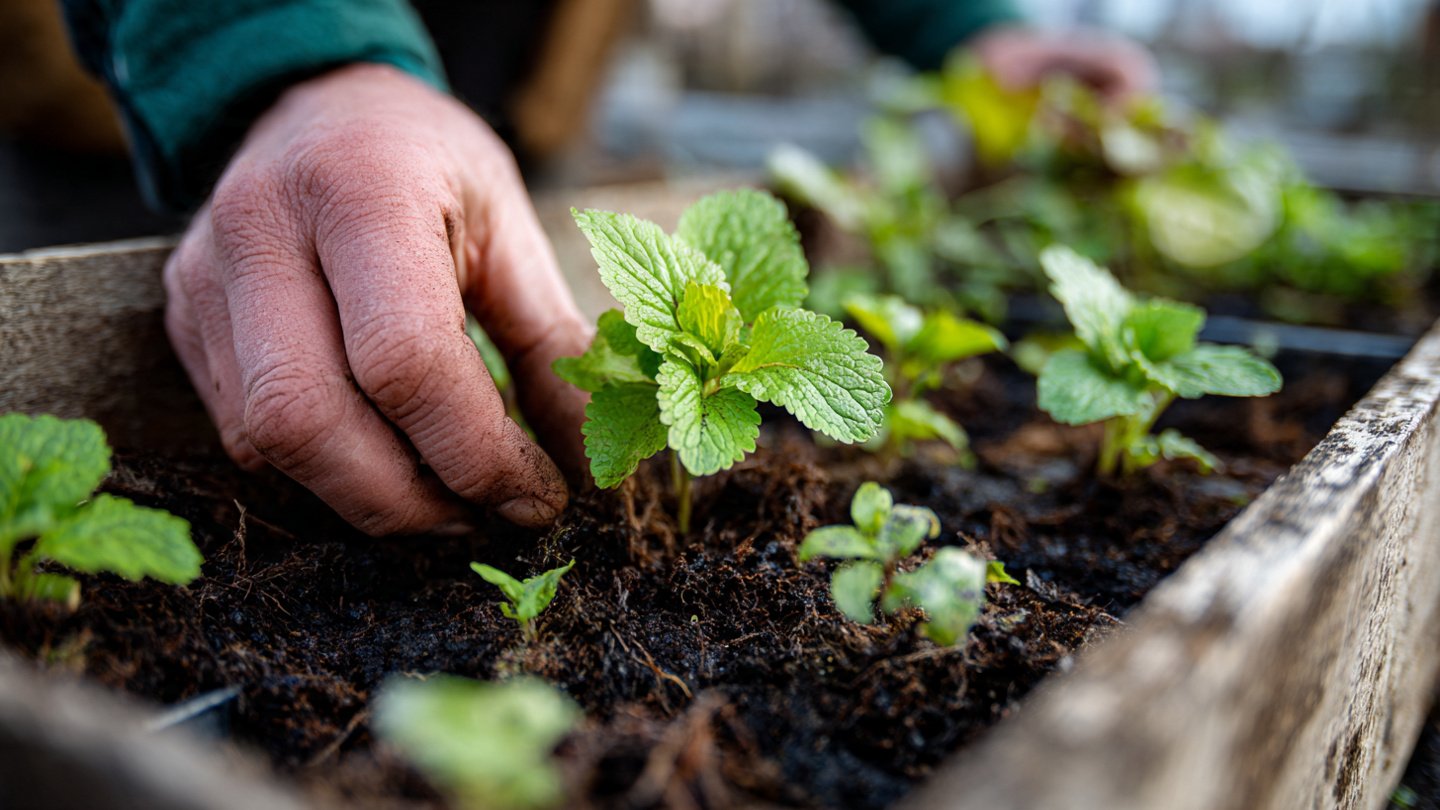

Overwintering cuttings can be a challenge for both novice and experienced gardeners. However, a simple cold frame can provide an ideal environment for rooting and nurturing these botanical treasures. This article will explore the essential factors that contribute to successfully overwintering your cuttings in a cold frame, providing you with step-by-step guidance to ensure your plants thrive until spring.
Understanding Cold Frames
A cold frame is an unheated structure that uses sunlight to warm the air and soil. Typically made from wood or other materials and covered with glass or clear plastic, cold frames serve as a transitional space for young plants. They are especially useful as a protective shelter for tender cuttings during the cold months.
Choosing the Right Location
The first step in successfully overwintering your cuttings is choosing the right location for your cold frame. Consider the following:
- Sunlight: Position the cold frame in a location that receives at least six hours of direct sunlight per day. South-facing sites are often ideal.
- Drainage: Ensure that the site has good drainage to prevent excess moisture accumulation within the frame.
- Protection from Wind: Try to place your cold frame near a windbreak, such as a fence or shrubbery, to shield it from harsh winter winds.
Construction and Materials
A simple cold frame can be constructed using a variety of materials. The key is to ensure that it is sturdy and insulated enough to retain warmth. Here are some options:
- Frame Material: Use untreated wood, bricks, or cinder blocks for the frame. Untreated wood is less likely to leach chemicals into the soil.
- Covering Material: Glass panes, polycarbonate panels, or clear plastic can be used for the top. Glass provides excellent light transmission while polycarbonate is lightweight and durable.
- Ventilation: Include a mechanism for ventilation, such as a hinged lid, to prevent overheating on sunny days.
Soil Preparation
Once your cold frame is constructed, focus on preparing the soil adequately to support your cuttings:
- Soil Type: Use a well-draining potting mix, ideally one that is light and fluffy. This will encourage healthy root development.
- Amendments: Incorporate some organic matter, such as compost, to provide nutrients and improve soil structure.
- Moisture Level: Ensure the soil is moist but not soggy. Overwatering can lead to rot, while dry soil can stress your cuttings.
Selecting and Preparing Cuttings
Choosing the right cuttings for overwintering is critical. Follow these guidelines:
- Timing: Take cuttings in late summer or early fall. This timing allows the plants to establish some roots before winter.
- Types of Cuttings: Softwood, semi-hardwood, and hardwood cuttings can all be successful; however, hardwood cuttings tend to fare better in cold frames.
- Preparation: Trim cuttings to about 6-8 inches in length, ensuring they have at least one node where leaves once sprouted.
Care and Maintenance
Once your cuttings are in place in the cold frame, regular care and maintenance become vital:
- Temperature Monitoring: Use a thermometer to monitor the temperature inside the cold frame. Aim for a range of 32°F to 50°F (0°C to 10°C).
- Moisture Control: Regularly check the moisture level in the soil. Increase watering if needed, but avoid letting the cuttings sit in water.
- Ventilation: On warmer days, open the cold frame slightly to prevent overheating. Close it at night to retain warmth.
Winterizing the Cold Frame
As winter sets in, additional measures may be necessary to protect the cuttings:
- Insulation: Line the cold frame with straw bales or bubble wrap on the outside for added insulation. This helps regulate temperature fluctuations.
- Mulching: Add a layer of mulch on the surface of the soil inside the cold frame. This helps retain moisture and regulate temperature.
- Snow Cover: If snow accumulates on the cold frame, gently brush it off to allow sunlight to reach the cuttings.
Signs of Success
As spring approaches, keep an eye out for signs of successful overwintering. Healthy cuttings will show new growth, indicating that they are ready to transition to outdoor planting.
Conclusion
FAQs
1. How long can cuttings last in a cold frame?
Cuttings can stay in a cold frame throughout the winter season, typically until temperatures consistently warm in spring. They should be monitored for growth signs and subsequently transplanted as necessary.
2. Do I need to water cuttings during winter?
Yes, occasional watering is required, but be cautious not to overwater. The frequency of watering will depend on moisture retention, temperature, and humidity levels in the cold frame.
3. Can I overwinter potted plants in a cold frame?
Yes, potted plants can also be placed in a cold frame. Ensure they have adequate drainage and monitor their moisture levels through the winter.
4. What are common mistakes to avoid when using a cold frame?
Avoid overcrowding the cold frame, neglecting ventilation, and failing to monitor moisture levels. Each of these issues can hinder your cuttings’ chances of survival.
5. Can I use a commercial cold frame, or should I build my own?
Both options are valid. Commercial cold frames are convenient, but building your own allows for customization suited to your specific needs and planting requirements.