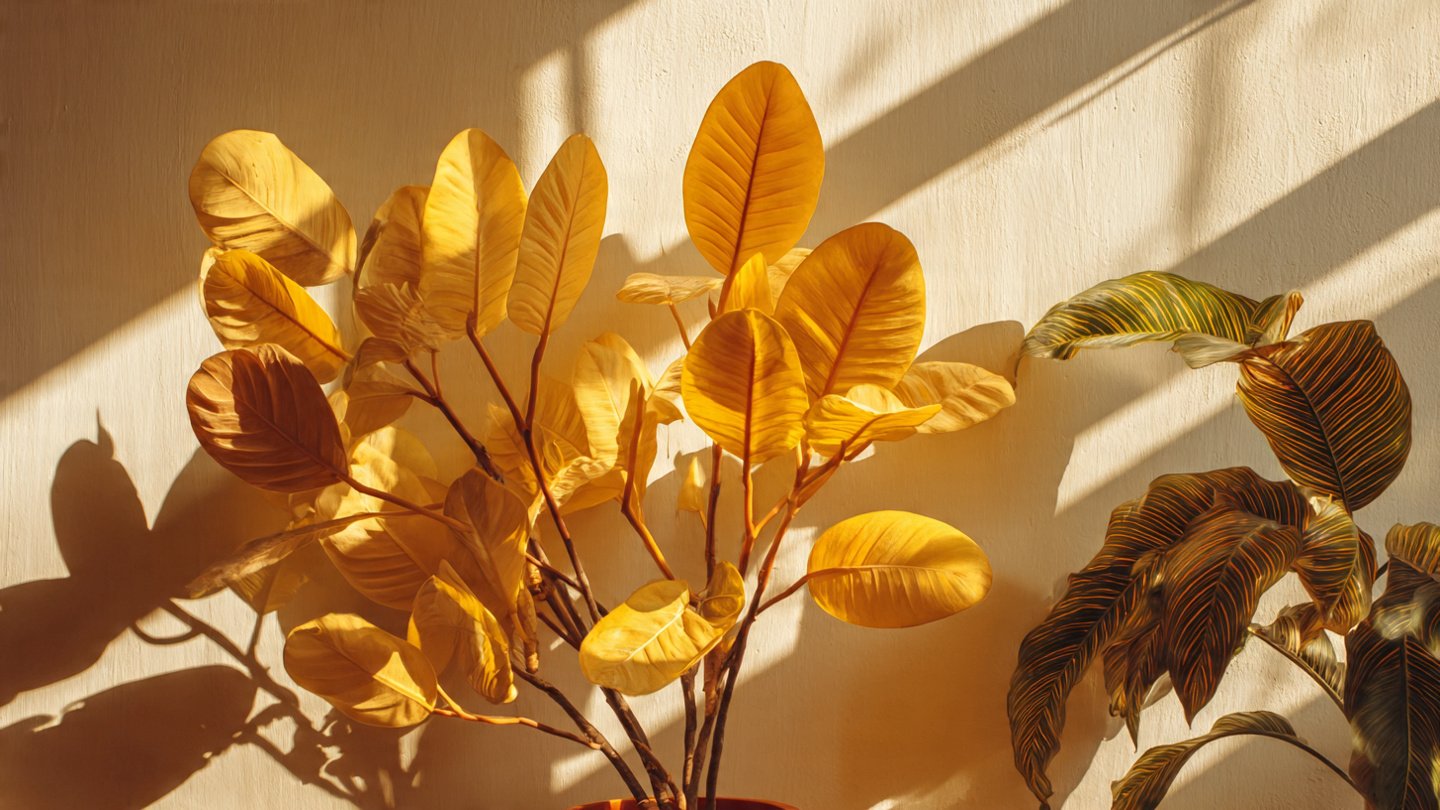

Indoor plants are a delightful addition to any home. They beautify your space, improve air quality, and can even boost your mood. However, it’s not uncommon to notice that your once vibrant greenery has turned a troubling shade of yellow. This article aims to delve into the causes behind yellowing leaves in indoor plants, spotlighting an unexpected reason that might be plaguing your plant health.
Understanding Leaf Yellowing
Leaf yellowing, scientifically known as chlorosis, can be a warning signal that something is amiss with your plant. While we often think of environmental factors like light and water, the issue may stem from less obvious causes. Identifying the root cause of yellow leaves is essential to restoring your plants to their original health.
Common Causes of Yellow Leaves
1. Overwatering
One of the most common culprits of yellow leaves is overwatering. When plants receive too much water, their roots become saturated and suffocate. This can lead to root rot, which inhibits the plant’s ability to absorb nutrients and water. Symptoms include yellowing leaves, soft stems, and foul odors from the soil.
2. Underwatering
On the contrary, underwatering can also lead to yellow leaves. A lack of water reduces the plant’s ability to photosynthesize, leading to stress and wilting. If your plant is drooping and leaves are yellowing from the edges inward, it might be thirsty.
3. Nutrient Deficiency
Plants require a variety of nutrients to maintain their color and vigor. A deficiency in essential nutrients like nitrogen, iron, or magnesium can cause yellowing leaves. Nitrogen deficiency typically results in a generalized yellowing, while iron deficiency often shows as yellowing between leaf veins. Soil testing can help determine if nutrient levels are adequate.
4. Pests and Diseases
Insects such as aphids, spider mites, or mealybugs can suck the sap from your plants, causing yellow leaves and stunted growth. Diseases, particularly fungal infections, can also manifest as yellowing leaves. Always inspect your plants for signs of pests or diseases, such as webbing or spots.
5. Environmental Stress
Indoor plants thrive in specific environments. If they experience abrupt changes in temperature or humidity, they may react by developing yellow leaves. This can happen during seasonal changes or improper placement near drafts or heating vents.
6. Light Issues
Light is crucial for photosynthesis, but the wrong amount of light can lead to yellowing. Too much direct sun can scorch leaves while too little light can inhibit growth. Understanding the light requirements of each plant species is vital for proper care.
The Unexpected Culprit: Soil Quality
Among the mentioned causes, an unexpected reason for yellow leaves could be poor soil quality. Most indoor plants require well-draining, nutrient-rich soil for optimal health. Over time, soil can become compacted, depleted of nutrients, or even accumulate harmful salts from fertilizers.
Soil that is too compacted restricts root growth, preventing them from adequately absorbing water and nutrients. On the other hand, soil rich in salts can lead to nutrient lockout, where plants are unable to absorb necessary nutrients, resulting in yellowing leaves.
How to Improve Soil Quality
To combat soil-related issues, consider the following:
- Repotting: Every 1-2 years, repot your plants in fresh, high-quality potting mix that offers proper drainage.
- Soil Testing: Use a soil test kit to assess pH and nutrient levels, allowing you to amend your soil as needed.
- Aeration: Gently aerate your soil to prevent compaction. This can involve using tools like a chopstick or a specialized aeration fork.
- Reduce Fertilizing: Avoid over-fertilizing since it can lead to salt build-up. Follow package guidelines and reduce fertilization during dormant periods.
Conclusion
Yellow leaves on indoor plants can be concerning, but understanding the underlying causes can help you restore your plants to health. While issues like watering, nutrients, pests, and light are commonly examined, don’t overlook the quality of your soil. By repotting, aerating, and testing soil regularly, you can promote a healthier environment for your indoor plants. Remember, a little attention can go a long way in keeping your plants green and thriving!
FAQs
1. Can yellow leaves recover?
Yes, if the underlying issue is identified and resolved quickly, most plants can recover. However, severely affected leaves may not return to green.
2. How often should I water my indoor plants?
Watering needs vary by plant species. It’s essential to check the top inch of soil; if it feels dry, it’s time to water.
3. How can I tell if my plant has a nutrient deficiency?
Symptoms vary: nitrogen deficiency usually shows as overall yellowing, while iron deficiency often appears as yellowing between the veins of leaves.
4. What is the best kind of soil for indoor plants?
A high-quality potting mix designed for indoor plants is recommended, containing components like peat moss, vermiculite, and perlite for drainage.
5. How can I prevent pests in my indoor plants?
Regularly inspect your plants, maintain a clean environment, and consider using natural deterrents like neem oil or insecticidal soap if necessary.