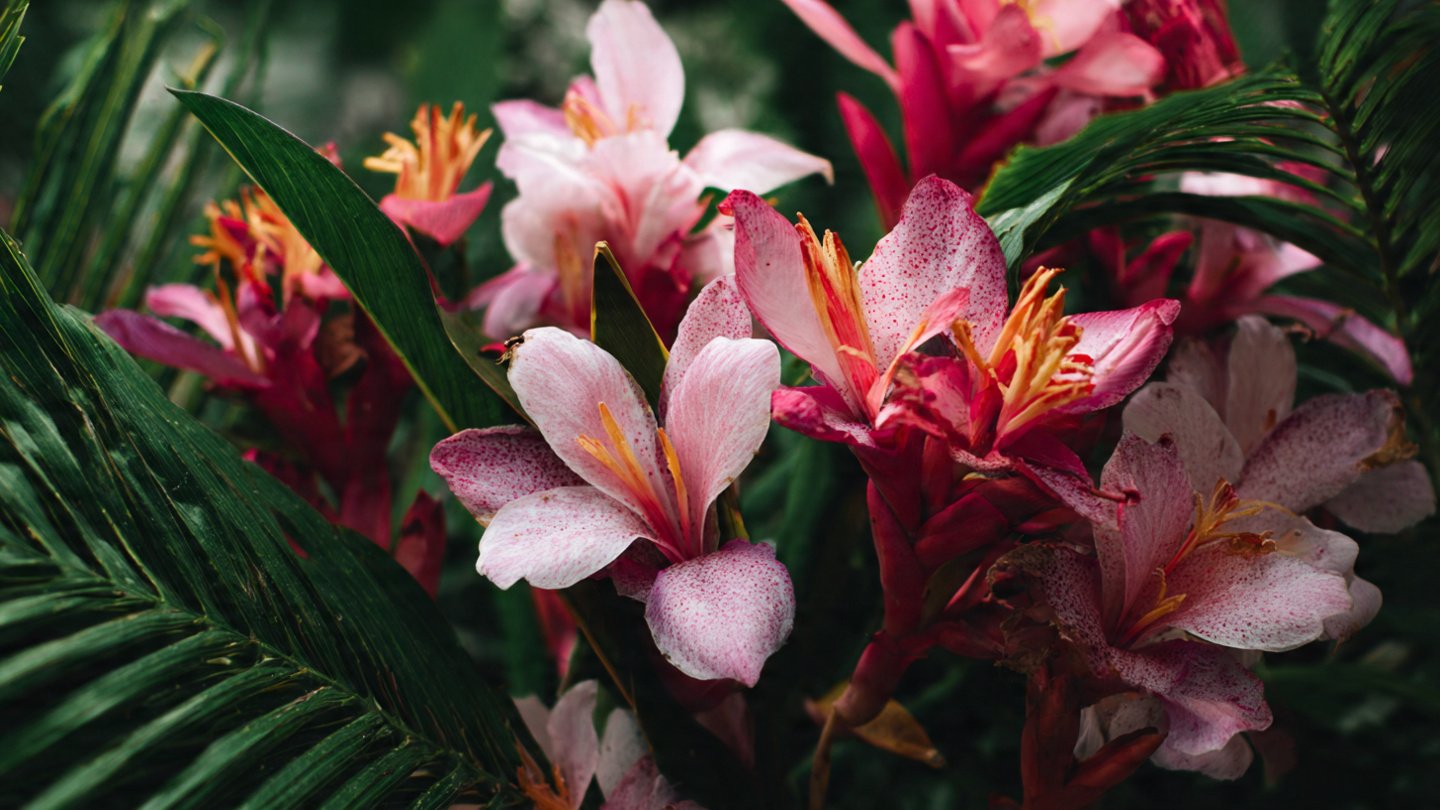

As the days grow shorter and temperatures drop, many gardeners face the challenge of overwintering their beloved tropical flowers. These stunning plants, admired for their vibrant colors and unique shapes, often struggle to withstand colder climates. However, by implementing a few strategic techniques, you can successfully transition your tropical flowers from the warmth of summer to the chill of winter, ensuring they thrive come spring. This guide details various strategies to help you master the art of overwintering your favorite tropical blooms.
Understanding Tropical Plants
Tropical flowers, such as hibiscus, bougainvillea, and orchids, are native to warm climates and typically do not survive frost. Knowing the specific needs of these plants is crucial for successfully overwintering them. Most tropical flowers require:
- Consistent moisture, but well-drained soil
- Humidity, which can be tough to maintain indoors
- Warm temperatures, ideally above 60°F (15°C)
This understanding forms the foundation for effective overwintering techniques.
Prepping for Winter: Timing and Techniques
1. Timing Your Transition
Timing is essential when preparing your tropical flowers for winter. As temperatures begin to drop, ideally before the first frost, you should start the transition process. This not only protects your plants but also helps them adapt gradually to their new environment.
2. Potting and Pruning
If your tropical flowers are in the ground, consider transplanting them into pots. This makes it easier to move them indoors as temperatures drop. When potting:
- Choose pots that are slightly larger than the current root ball to allow for growth.
- Use high-quality potting mix that retains moisture yet provides good drainage.
- Prune back any leggy growth or dead foliage to encourage healthy new growth in the spring.
3. Choosing the Right Location
Once indoors, finding the right spot for your tropical flowers is critical. Most tropical plants prefer:
- A well-lit area, ideally near a south-facing window.
- Warmth, away from drafts and cold windows.
- Humidity, which can be enhanced using humidity trays, misting, or humidifiers.
Indoor Care for Overwintering
Once your tropical flowers have transitioned indoors, they require careful attention. Here are key care practices:
1. Watering Wisely
Overwintering plants can easily suffer from overwatering. Check the top inch of the soil for moisture before watering. Tropical flowers generally need less water during winter; less frequent watering prevents root rot.
2. Fertilizing
During winter, most tropical plants enter a dormant phase and require less fertilizer. If you choose to fertilize, opt for a balanced, water-soluble fertilizer diluted to half strength, and only do so once a month.
3. Monitoring Temperature and Air Quality
Maintaining consistent temperatures is key. Most tropical plants thrive in temperatures between 65°F and 75°F (18°C to 24°C). In addition, consider air quality; ensure good air circulation to prevent mold and pests.
Dealing with Pests and Diseases
Indoor environments can foster different pest problems. Keep an eye out for:
- Spider mites
- Aphids
- Mealybugs
If you notice any infestations, treat them promptly with insecticidal soap or neem oil. Regular checks can help you catch problems early.
Alternative Overwintering Methods
If you live in particularly harsh climates, you might consider alternative techniques for overwintering your tropical plants:
1. Greenhouse Storage
If you have a greenhouse, it provides an excellent environment for tropical flowers over the winter months, maintaining warmth and humidity levels.
2. Indoor Garden
Creating an indoor garden dedicated to your tropical plants can also work. A designated space with the right lighting, heating, and humidity can replicate their natural environment.
3. Dormancy Between Cycles
For some tropical plants, going dormant can be beneficial. If you have the ability, you can cut back on care significantly and let them rest, reviving them in early spring when temperatures rise.
Spring Awakening
As winter comes to an end, it’s time to wake your tropical flowers from their winter slumber. Gradually acclimate them back to outdoor conditions by:
- Bringing them outside for short periods initially, gradually increasing exposure to sunlight.
- Transplanting them into larger pots if necessary to accommodate growth.
- Resuming regular watering and fertilization as temperatures rise.
Watching them flourish in warmer conditions after their winter care will be rewarding!
Conclusion
Successfully overwintering your favorite tropical flowers requires understanding their specific needs, providing suitable indoor conditions, and maintaining vigilant care. By preparing your plants properly and monitoring their health throughout the winter months, you can ensure that they survive and thrive, ready to bring color back to your garden when spring arrives. Embracing these strategies will help you enjoy the beauty of tropical blooms year-round.
FAQs
1. Can all tropical flowers survive in pots during winter?
Most tropical flowers can survive in pots, which allows for easier management of their environmental needs. However, some very large or bushy species might require specific space and support.
2. How do I increase humidity for my tropical plants indoors?
You can increase humidity by placing a tray of water with pebbles under your pots, misting the plants regularly, or using a humidifier nearby.
3. How often should I check for pests in my indoor tropical flowers?
Check for pests at least once a week, especially during winter months when indoor plants can be more susceptible. Early detection is crucial for effective control.
4. When should I start transitioning my tropical plants back outside?
Begin transitioning your plants back outside when night-time temperatures consistently stay above 60°F (15°C) and ensure they are gradually acclimatized to the outdoor conditions.