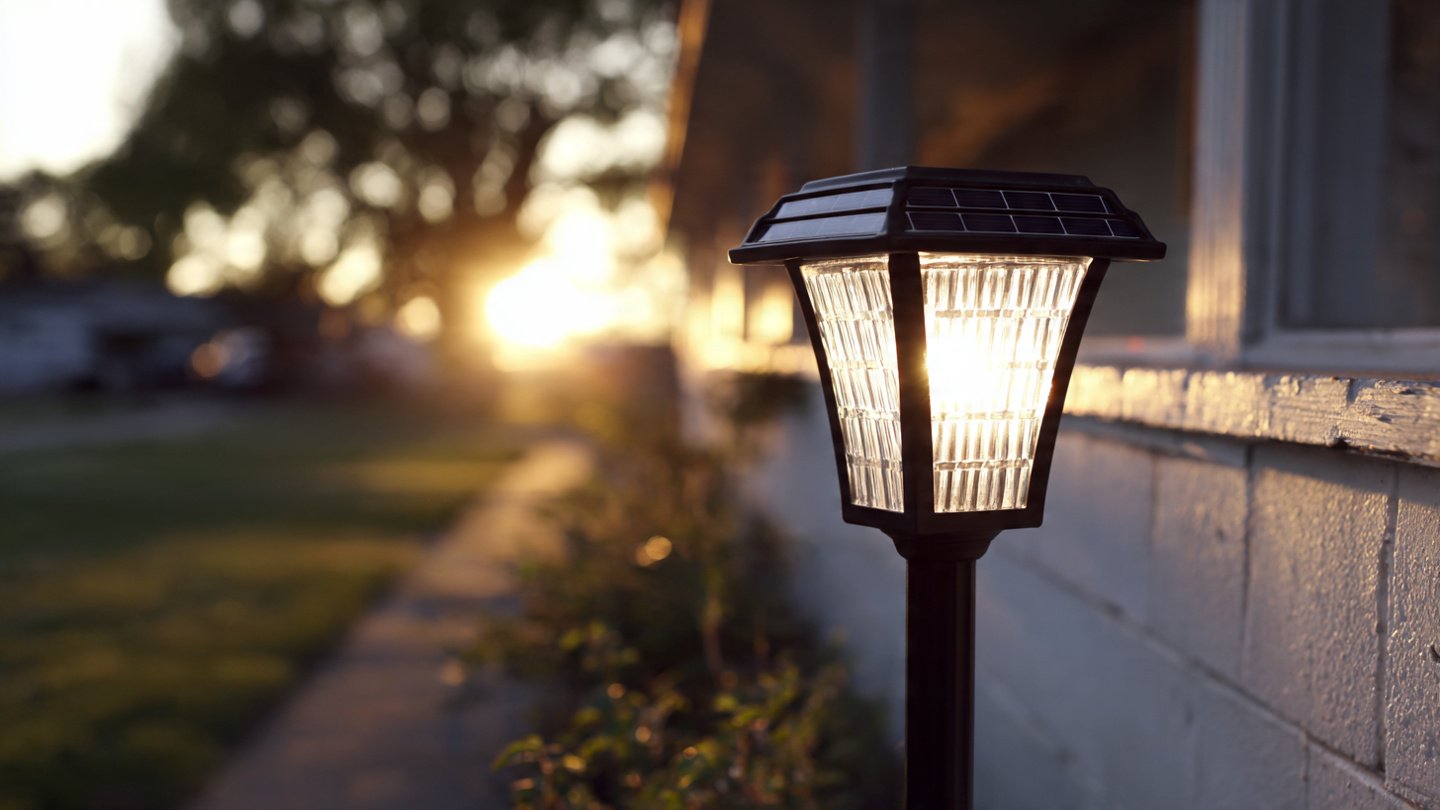

Solar lights are a popular choice for outdoor lighting solutions, offering energy efficiency and autonomous operation. They harness solar energy during the day to illuminate the night, thus reducing electricity costs significantly. However, a common complaint among users is that their solar lights often fail after just one month of use. This article explores the reasons behind the premature failures of solar lights, providing insight into better maintenance and selection tips.
The Basics of Solar Lights
Before diving into the reasons for solar light failures, it’s essential to understand how they work. Solar lights typically consist of several components:
- Solar Panel: This component absorbs sunlight and converts it into electrical energy.
- Battery: Stores the energy collected by the solar panel for nighttime use.
- LED Light: Provides illumination using the stored energy.
- Controller: Regulates the flow of energy to ensure the lights operate efficiently.
Under ideal conditions, these components work together seamlessly. However, various factors can interfere with their functionality.
Common Reasons for Solar Light Failures
Poor Quality Components
One of the primary reasons solar lights fail after a short period is the use of substandard materials. Not all solar lights are created equal, and the quality of components can vary widely. When buying solar lights, consider:
- The quality of the solar panel, battery, and LED light.
- Brand reputation and customer reviews.
Cheaper models may save you money initially but can lead to more significant expenses down the line due to failure or replacements.
Battery Issues
The battery is crucial for storing the energy harnessed by the solar panel. If the battery quality is poor, it might not hold a charge properly, leading to insufficient power supply. Common battery-related failures include:
- Overcharging: This is often a result of inadequate charging control mechanisms.
- Undercharging: Poor solar panel performance on cloudy days can lead to insufficient charging.
- Battery type: Different types of batteries, like NiMH and lead-acid, have varying lifespans and performance traits.
Cloudy Days and Seasonal Changes
Solar panels require direct sunlight to function optimally. In regions with frequent cloudy weather, the efficiency of solar lights can significantly drop, leading to insufficient charging and, subsequently, light failure. Seasonal changes also play a role, as winter brings shorter days and less sunlight.
Installation Problems
Another critical factor that contributes to the early demise of solar lights is improper installation. Common installation mistakes include:
- Placing lights in shaded areas where they don’t receive adequate sunlight.
- Not positioning the solar panel at the right angle to maximize sun exposure.
- Improperly securing the fixtures, leading to physical damage.
Ensuring correct installation can significantly enhance the lifespan of solar lights.
Weather Conditions and Environmental Factors
Extreme weather can also impact the functionality of solar lights. Heavy rains, storms, or significant temperature fluctuations can damage the components, particularly if the lights are not designed for harsh conditions. Check the product specifications to ensure that your solar lights are rated for outdoor use.
Lack of Maintenance
Just like any other outdoor equipment, solar lights require some level of maintenance. Neglecting this aspect can lead to premature failure. Maintain your solar lights by:
- Regularly cleaning the solar panels to remove dirt and debris that can hinder their efficiency.
- Checking the batteries periodically for corrosion or damage.
- Ensuring that the fixtures are free of any damage that could affect their operation.
Choosing the Right Solar Lights
To avoid the common pitfalls associated with solar light failures, careful selection is key. Consider the following when purchasing solar lights:
- Read Reviews: Look for products with positive feedback regarding longevity and performance.
- Brand Reputation: Opt for trustworthy brands known for quality.
- Specifications: Ensure your choice is equipped with a high-quality solar panel and long-lasting battery.
Proper Installation Techniques
Ensure optimal solar light performance by following these installation tips:
- Install lights in a location that receives full sunlight for most of the day.
- Position solar panels at an angle that maximizes sun exposure.
- Secure fixtures firmly to avoid movement or damage.
Conclusion
Understanding why solar lights fail after just one month can help consumers make informed decisions regarding their outdoor lighting solutions. While solar lights are an eco-friendly and cost-effective option, their longevity relies heavily on the quality of materials, proper installation, and ongoing maintenance. By selecting high-quality products, ensuring correct installation, and conducting regular maintenance checks, you can enhance the lifespan and effectiveness of your solar lights.
FAQs
1. How long do solar lights typically last?
Good quality solar lights can last anywhere from three to five years, depending on the components and usage.
2. Can I replace the battery in my solar lights?
Yes, many solar lights have replaceable batteries. Check the manufacturer’s specifications for the battery type and replacement process.
3. What is the best position for solar lights?
Solar lights should be positioned in areas that receive the most direct sunlight throughout the day, avoiding shaded spots.
4. How can I clean my solar panels?
You can clean solar panels with a damp cloth or sponge, ensuring you do not scratch the surface.
5. What should I do if my solar lights are not working?
First, check if the batteries are charged. If they’re not the issue, examine the solar panels for dirt or debris, and ensure the light is adequately installed in a sunny location.