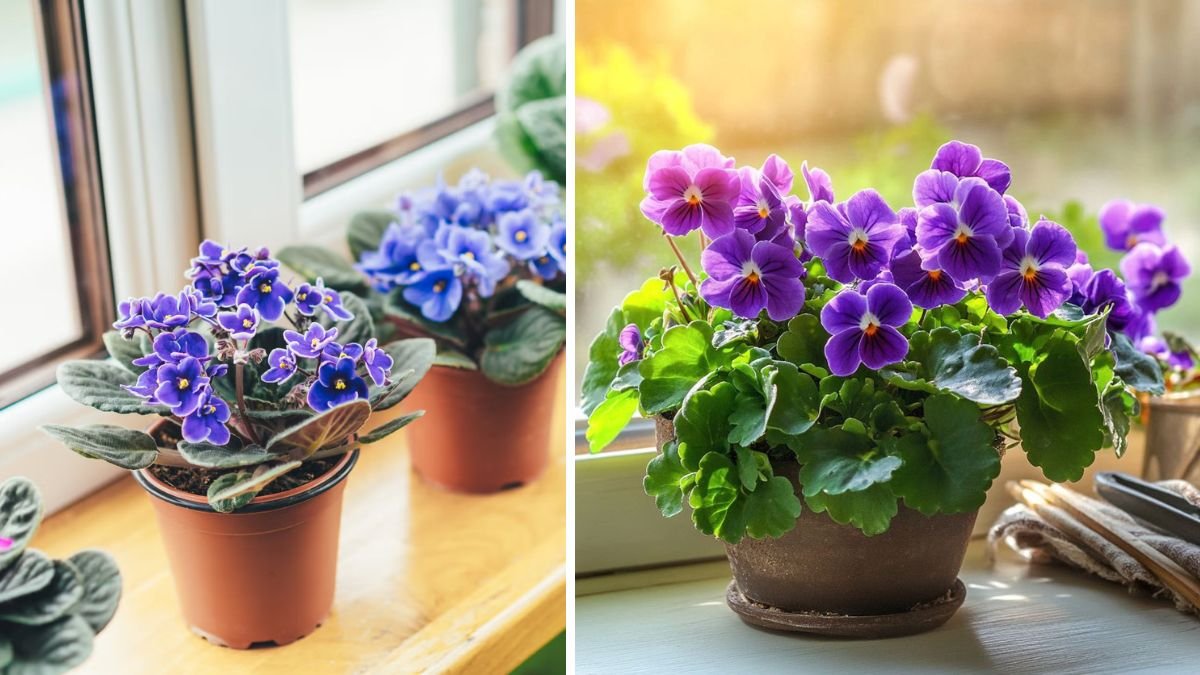

African violets (Saintpaulia) are among the most beloved houseplants, admired for their beautiful blooms and lush foliage. Miniature versions, in particular, have gained immense popularity due to their compact size and vibrant colors. This guide will walk you through the essential steps to grow mini African violets at home with minimal effort, ensuring that your plants thrive and bring joy to your space.
Understanding Mini African Violets
Mini African violets are characterized by their smaller stature, typically growing no taller than 12 inches. Their compact nature makes them perfect for smaller spaces and easier care. With a variety of colors and patterns available, these plants can enhance your home decor beautifully.
Why Grow Mini African Violets?
- Compact Size: Ideal for small living spaces, shelves, or windowsills.
- Minimal Care Requirements: With the right conditions, they can thrive with little effort.
- Extended Blooming Period: They can bloom multiple times a year, offering year-round color.
- Air Purification: Like many houseplants, they can help purify indoor air.
Step-by-Step Guide to Growing Mini African Violets
1. Selecting the Right Variety
The first step in your African violet journey is selecting the right variety. Miniature African violets come in several types, including:
- Standard Miniatures: Grow up to 8 inches.
- Semi-Miniatures: Grow between 8-12 inches.
- Trailing types: Designed to cascade down over pots.
Choose based on your aesthetic preference and the space you have available.
2. Providing the Right Potting Mix
Mini African violets thrive in a well-draining potting mix. Here’s how you can create an ideal mix:
- 1 part African violet potting soil: Specifically formulated for these plants.
- 1 part perlite or coarse sand: Ensures drainage while retaining moisture.
- 1 part peat moss: Provides a suitable structure for root development.
3. Choosing the Perfect Pot
Select pots that have drainage holes, as African violets are prone to root rot. Terra cotta pots are excellent choices due to their breathability, but plastic pots can also work if they have adequate drainage.
4. Ideal Lighting Conditions
Mini African violets prefer bright, indirect sunlight. Here’s how to provide it:
- Window Placement: An east or west-facing window is ideal. Avoid harsh noon sunlight that can scorch leaves.
- Artificial Lightning: If natural light is limited, consider using grow lights designed for flowering plants. Position them about 12 inches above the plant.
5. Watering Techniques
Proper watering is critical for mini African violets. Follow these tips to keep your plants hydrated:
- Watering Method: Use the bottom-watering technique. Place the pot in a saucer filled with water and allow the soil to absorb moisture from the bottom for about 30 minutes.
- Water Frequency: Check the soil moisture regularly. Water when the top inch feels dry. Overwatering can lead to crown rot, while underwatering can cause wilting.
- Water Quality: Use room-temperature water. Distilled or rainwater is preferable, as tap water may contain chemicals that could harm your plants.
6. Fertilizing Your Mini African Violets
Feeding your plants ensures vibrant blooms. Here’s how to fertilize effectively:
- Frequency: Fertilize every 4-6 weeks during the growing season (spring and summer). Reduce frequency during dormancy (fall and winter).
- Type of Fertilizer: Use a balanced, water-soluble African violet fertilizer (e.g., 14-12-14). Dilute to half-strength before applying to avoid fertilizer burn.
7. Maintaining Humidity
African violets thrive in higher humidity levels, typically between 50-70%. Here are some ways to increase humidity:
- Humidity Trays: Place water-filled trays with pebbles beneath your pots, allowing evaporation to increase moisture.
- Misting: Lightly mist the plants, but avoid wetting the leaves directly. Focus on the air around them.
8. Temperature Considerations
Mini African violets prefer temperatures between 65°F and 75°F (18°C – 24°C). Avoid exposing them to drafts or sudden temperature changes, which can stress the plants.
9. Pruning and Grooming
Regular pruning helps maintain a healthy plant. Here’s how:
- Remove Dead Leaves: Trim off any yellow or brown leaves. This keeps the plant looking neat and healthy.
- Deadheading Flowers: Remove spent blooms to encourage more flowering and prevent seed production, which can sap energy from the plant.
10. Repotting Your Mini African Violets
Every 1-2 years, consider repotting your African violets to refresh the soil and provide more space for growth.
- Timing: Early spring is the best time to repot.
- Process: Carefully remove the plant from its pot, trim any dead or rotting roots, and place it in a new pot with fresh soil.
Pest Control and Problems
Even with minimal effort, mini African violets can face issues. Here are common pests and problems along with their solutions:
-
Common Pests:
- Mealybugs: Treat with neem oil or insecticidal soap.
- Spider Mites: Increase humidity and remove with a damp cloth.
- Fungus Gnats: Allow the soil to dry out between waterings.
-
Common Problems:
- Yellow Leaves: Usually a sign of overwatering or poor lighting.
- Wilting Leaves: Often due to underwatering or insufficient humidity.
- Leggy Growth: Caused by inadequate light; move to a brighter location.
FAQs
Q1: How often should I water my mini African violets?
A: Water when the top inch of soil feels dry, usually every 5-10 days. Use bottom watering to prevent crown rot.
Q2: Can I use regular potting soil for African violets?
A: It’s best to use a special African violet potting mix or a customized mix that promotes drainage.
Q3: What’s the ideal temperature for mini African violets?
A: They prefer temperatures between 65°F and 75°F (18°C – 24°C).
Q4: Why are the leaves of my African violet turning yellow?
A: Yellow leaves can indicate overwatering, poor light, or nutrient deficiencies.
Q5: How can I encourage more blooms?
A: Ensure bright, indirect light, consistent watering, and regular fertilizing during the growing season.
Q6: Are mini African violets toxic to pets?
A: No, African violets are non-toxic to cats and dogs.
Q7: How can I propagate mini African violets?
A: You can propagate through leaf cuttings. Simply cut a healthy leaf with a petiole and pot it in moist soil.
Final Thoughts
Growing mini African violets at home can be incredibly rewarding, offering beauty and enjoyment with minimal effort. By following the tips outlined in this guide, you can create a vibrant indoor oasis and experience the joy of caring for these lovely plants. As they flourish and bloom throughout the year, mini African violets will not only brighten your space but also enhance your mood, making them an ideal companion for any home. Happy gardening!