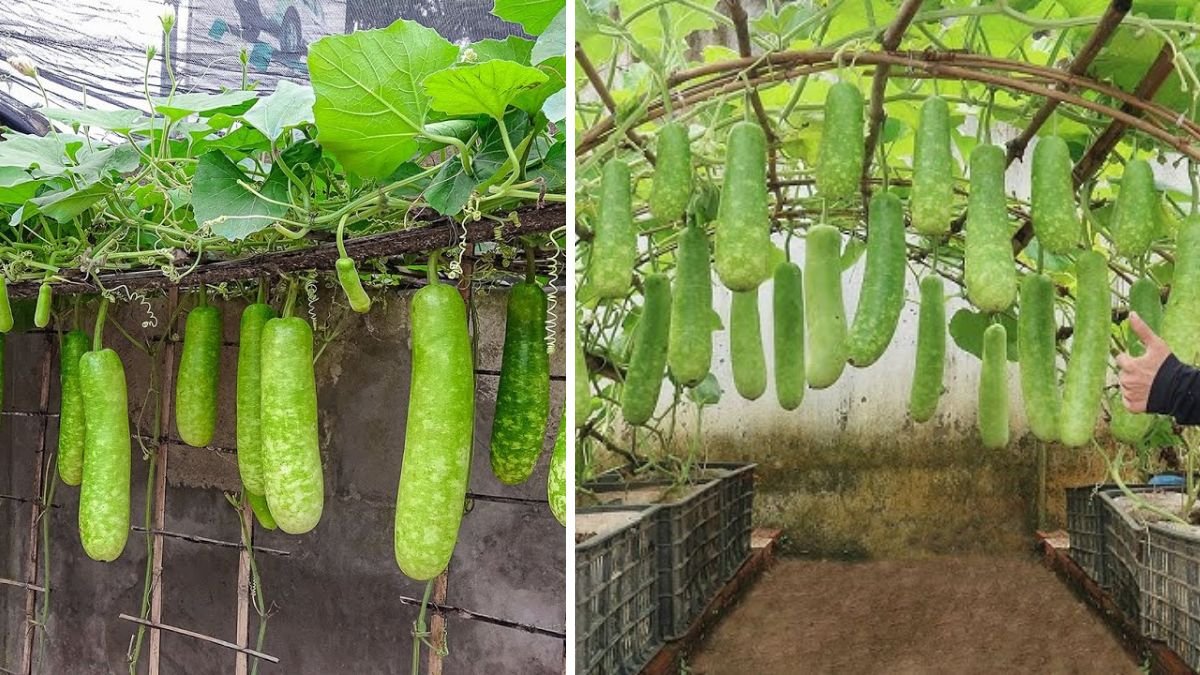

Growing Lauki, also known as bottle gourd or calabash, in large containers can be an incredibly rewarding endeavor. This versatile vegetable is not only delicious but also packed with nutritional benefits. For those with limited garden space or those looking to maximize yield and ease of harvesting, cultivating lauki in containers is an ideal solution. This comprehensive guide will walk you through every step of the process, from selecting the right container to harvesting your crops, ensuring you achieve the best results.
1. Understanding Lauki: A Brief Introduction
Lauki is a popular vegetable in many Asian cuisines, known for its light flavor and numerous health benefits. It belongs to the gourd family and can grow to about 1-2 feet in length. This vegetable is low in calories and has high-water content, making it an excellent choice for hydration. It’s also rich in vitamins, minerals, and dietary fiber, aiding in digestion and promoting overall health.
2. Selecting the Right Container
Size
When growing lauki, the size of the container plays a crucial role in determining your yield. Here are some recommendations:
- Volume: Choose a container with at least 5 to 10 gallons (20–38 liters) of soil capacity. This provides enough space for the roots to develop and grow.
- Depth: Aim for a depth of at least 12-18 inches (30-45 cm) to facilitate healthy root growth. Taller containers will help anchor the plant as it grows.
Material
Container materials can vary widely. Here are some options with their advantages:
- Plastic: Lightweight and readily available, plastic containers retain moisture well.
- Ceramic: Aesthetically pleasing, but can be heavy and less portable.
- Wood: A natural option, but ensure the wood is treated to prevent decay.
Drainage
Good drainage is essential. Ensure your container has drainage holes to prevent waterlogging, which can lead to root rot.
3. Choosing the Right Soil Mix
Lauki requires nutrient-rich, well-draining soil for optimal growth. You can create an ideal mix with the following components:
- Potting Soil: A good quality potting soil provides a base and retains moisture.
- Compost: Incorporating compost enriches the soil with organic matter and nutrients.
- Perlite or Vermiculite: These materials improve drainage and aeration, promoting healthy root development.
Pro Tip: Aim for a soil pH of 6.0 to 7.0, slightly acidic to neutral, to ensure the best nutrient availability.
4. Selecting the Right Variety of Lauki
Lauki comes in various varieties. When selecting a type, consider the following factors:
- Size: Some varieties grow longer than others. If space is limited, opt for a compact variety.
- Climate: Different varieties may perform better in specific climates. Research local varieties or consult local extension services.
5. Planting Lauki Seeds
Timing
Lauki is a warm-season crop. The best time to start planting is in spring after all danger of frost has passed. In warmer climates, you can extend the growing season by starting seeds indoors.
Seed Preparation
To increase germination rates, soak seeds in water for 24 hours before planting. This helps to soften the seed coat, making it easier for the seedling to emerge.
Planting Process
- Fill your selected container with the pre-prepared soil mix, leaving about 1-2 inches (2.5-5 cm) of space at the top.
- Create small holes in the soil at least 12 inches (30 cm) apart to allow for proper growth.
- Plant 2-3 seeds per hole and cover them lightly with soil.
- Water thoroughly to settle the soil around the seeds.
6. Caring for Your Lauki Plants
Watering
Lauki requires consistent moisture, especially during its growing phase. Here are some tips for effective watering:
- Watering Frequency: Water deeply but less frequently to encourage deep root growth. A general rule is to water once every 2-3 days, adjusting according to weather conditions.
- Signs of Under-Watering: Yellow leaves and wilting plants indicate water stress. Adjust watering accordingly.
Fertilization
Regular feeding is crucial for high yields. Use a balanced fertilizer formulated for vegetables every 4-6 weeks. Organic options such as fish emulsion or seaweed extract work well, providing essential nutrients without chemicals.
Pest and Disease Management
Lauki plants can be susceptible to a range of pests and diseases. Here are common issues:
- Aphids: Small insects that can affect plant growth. Use insecticidal soap or neem oil for control.
- Powdery Mildew: A fungal disease that flourishes in humid conditions. Ensure good air circulation and consider fungicides if necessary.
- Caterpillars: Hand-pick or use organic pest control methods.
Regularly inspect your plants for signs of pests or disease and take corrective action as needed.
7. Supporting Your Lauki Plants
As lauki vines grow, they will need support to flourish. Here’s how to provide it:
- Trellises: Install a trellis in your container for vertical growth. This saves space and makes harvesting easier.
- Stakes: Use stakes if growing smaller varieties that may not require a full trellis.
Pro Tip: Training your vines early encourages healthy growth and a cleaner harvest.
8. Harvesting Lauki
Timing is critical for harvesting lauki for the best flavor and texture. Here’s what to watch for:
Best Time to Harvest
- Size: Ideally, harvest when lauki is 6-12 inches (15-30 cm) long. Larger gourds can become tough and bitter.
- Color: The skin should be glossy and green. Dull coloration may indicate over-ripeness.
Harvesting Techniques
Use a sharp knife or pruners to cut the gourd from the vine, leaving a small stem attached. Harvesting in the early morning can ensure the best freshness.
9. Common Troubleshooting Tips
Poor Growth
If your lauki plants are not thriving:
- Check Soil Moisture: Ensure the soil isn’t too dry or waterlogged.
- Evaluate Sunlight: Lauki needs full sun, ideally 6-8 hours daily. Adjust the container’s position if necessary.
Yellow Leaves
Yellowing leaves can indicate nutrient deficiency or overwatering. Test the soil moisture and consider a balanced fertilizer.
10. FAQs
1. How long does it take for lauki to grow?
Lauki generally takes about 50-70 days from planting the seeds to harvest, depending on the variety and growing conditions.
2. Can I grow lauki indoors?
Yes, lauki can be grown indoors if you have sufficient sunlight (ideally, south-facing windows) and adequate space for a container.
3. What diseases commonly affect lauki plants?
Common diseases include powdery mildew, downy mildew, and root rot. Maintaining good air circulation and proper watering can help prevent these issues.
4. How do I know when my lauki is ripe?
Look for lauki that is firm, green, and about 6-12 inches long. The skin should not be dull in color.
5. Can I save lauki seeds for next year?
Yes, you can save seeds. Let a few fruits mature on the plant, then collect seeds after they dry out. Store them in a cool, dry place until you’re ready to plant.
6. Can I grow lauki alongside other vegetables?
Yes, lauki can be interplanted with other crops like tomatoes, peppers, or even herbs. Just ensure they have enough space to grow without competition.
7. How often should I fertilize my lauki plants?
Fertilize every 4-6 weeks with a balanced vegetable fertilizer after the plants have established.
Understanding the nuances of growing lauki in large containers will not only lead to a bountiful harvest but will also make the process enjoyable. With the right methods and care, you can enjoy delicious lauki straight from your own garden. Happy gardening!