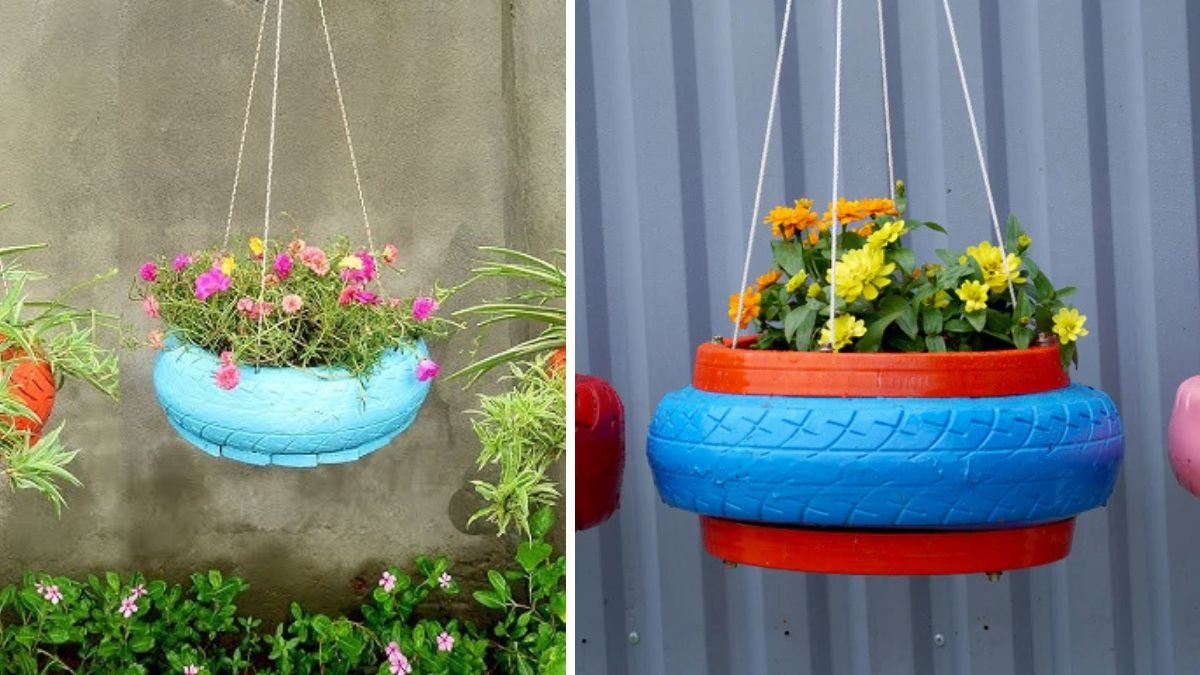

Introduction: When Gardening Meets Upcycling
Creating a super lovely hanging garden has never been more exciting. Urban gardening is evolving, combining beauty with sustainability, and one of the trendiest ways to do this is by recycling broken cookware into unique planters. Old pots, pans, colanders, or even teapots can find a second life as creative containers for flowers, herbs, and greenery. This not only prevents unnecessary waste but also adds personality and charm to indoor and outdoor spaces.
Repurposing broken kitchen items as planters reflects a growing movement toward eco-friendly living, giving gardeners a creative outlet to express style while embracing sustainability. It’s a perfect blend of function, art, and environmental consciousness.
Why Recycling Broken Cookware Works
1. Sustainable and Eco-Friendly
Throwing away broken or outdated cookware contributes to landfill waste. Non-stick coatings, rusted metal, or enamel chipped pots can release harmful substances if not disposed of correctly. By repurposing them as planters, you reduce environmental impact while giving these items a meaningful second life.
2. Creative Waste Reduction
Upcycling allows you to turn unusable cookware into functional planters. A scratched frying pan or a dented kettle can now host a lush trailing plant or vibrant flowers. It’s a fun, creative way to minimize waste while crafting a “super lovely hanging garden” that’s both practical and visually appealing.
3. Unique Character and Charm
There’s something inherently charming about a garden filled with eclectic containers. Using a mix of metal, enamel, and ceramic cookware adds texture, color, and personality. These planters make a space feel curated and intimate, turning ordinary plants into extraordinary displays.
Step-by-Step Guide: Creating Your Hanging Garden With Recycled Cookware
Creating your garden doesn’t require advanced skills or expensive materials. Here’s a simple step-by-step guide:
Materials Needed
- Broken or unusable cookware (pots, pans, kettles, teapots, colanders)
- Rope, twine, or metal chains
- Drill (for drainage holes)
- Weather-resistant paint (optional for decoration)
- Potting soil
- Plants suitable for hanging gardens (trailing plants, herbs, succulents)
Steps to Create Your Hanging Garden
Step 1: Prepare the Cookware
Clean the cookware thoroughly, removing grease and residues. If the item has plastic or unsafe coatings, remove or avoid using it as it may leach chemicals into the soil.
Step 2: Add Drainage Holes
Drill small holes in the bottom of each item. Proper drainage is essential for plant health and prevents water from pooling at the bottom, which can cause root rot.
Step 3: Decorate (Optional)
If you want to add a personal touch, paint the cookware with weather-resistant paints or add patterns and textures. Vibrant colors can make the garden pop, while metallic finishes lend a rustic or vintage charm.
Step 4: Hang the Cookware
Use sturdy rope, twine, or chains to hang the planters from balcony beams, pergolas, or garden hooks. Ensure that the support structure can handle the weight of the soil-filled cookware. Varying the heights creates depth and visual interest.
Step 5: Choose Plants Wisely
Trailing flowers, herbs like basil or thyme, small greens, or succulents work best for hanging gardens. Consider the amount of sunlight your location receives and match the plants accordingly.
Smart Tips for a Stunning Hanging Garden
- Mix textures and colors: Combining different materials — like enamel, metal, and ceramic — enhances visual appeal.
- Lightweight soil: Use soil mixes that reduce the weight of each hanging planter to prevent strain on supports.
- Group planters at different heights: This creates a layered, lush look.
- Repurpose colanders: Their perforations naturally aid drainage, making them excellent hanging planters.
- Water carefully: Hanging gardens tend to dry out faster. Check soil moisture regularly.
Types of Cookware That Work Best
Not every old pot is suitable for repurposing, but many items work wonderfully:
- Colanders: Excellent for drainage and trailing plants.
- Saucepans: Perfect for compact herbs or succulents.
- Teapots or kettles: These add a whimsical, vintage touch.
- Baking trays or muffin tins: Can be turned into vertical or wall-mounted planters.
Each piece adds a unique aesthetic, and mixing different types creates a dynamic garden display.
Background Context: Upcycling and Vertical Gardens
The trend of upcycling household items into garden planters has grown rapidly, driven by urban gardening and sustainability movements. Vertical gardens and hanging planters are popular among apartment dwellers and homeowners with limited outdoor space. By combining vertical gardening with repurposed cookware, gardeners can maximize space while embracing eco-conscious practices.
This approach also aligns with zero-waste lifestyles, showing that style and sustainability can coexist beautifully. It’s a perfect example of innovation meeting tradition: old cookware, once destined for the trash, now nurtures life and beauty.
Expert Recommendations
- Sustainable Planting Practices: Avoid using cookware with toxic coatings or plastics. Stick to metal, ceramic, or enamel containers.
- Drainage Matters: Even small planters need proper drainage for plant health.
- Safety First: Ensure hanging supports are sturdy to prevent accidents.
- Aesthetic Planning: Consider your garden’s color palette and plant types to achieve a cohesive look.
Inspirational Ideas
- The Herb Spiral: Stack different pans to create a tiered herb garden that’s both practical and eye-catching.
- The Tea Party Garden: Use mismatched teapots for a whimsical, cottage-garden feel.
- Color-Coded Garden: Paint cookware in bright shades and group by color for a modern, playful effect.
- Mini Succulent Wall: Mount muffin tins or baking sheets vertically on walls to host miniature succulents.
Each idea emphasizes creativity, sustainability, and functionality, perfect for turning ordinary spaces into a “super lovely hanging garden.”
Authoritative Sources for Inspiration
For more tips, inspiration, and sustainability guidance:
- FridgeDisposal.org — Environmental impact of disposing cookware.
- SkipHire UK Blog — DIY upcycling projects for kitchenware.
- OneGreenPlanet.org — Creative upcycling ideas.
- Pinterest Collections — Visual examples of recycled garden designs.
These resources provide practical instructions and inspirational examples for gardeners of all levels.
Conclusion: Why This Trend Matters
Creating a super lovely hanging garden with recycled cookware is more than a fun DIY project; it’s a statement about sustainability, creativity, and environmental responsibility. By transforming discarded kitchen items into planters, you can reduce waste, enhance your garden space, and express your personal style.
Whether you’re a seasoned gardener or a beginner DIY enthusiast, upcycling broken cookware allows you to combine functionality with art. These hanging gardens bring a touch of whimsy and sophistication to any space, proving that beauty and sustainability can coexist.
With a little creativity, some old cookware, and a few plants, you can transform your balcony, patio, or indoor garden into a super lovely hanging garden that’s unique, eco-friendly, and full of life. 🌿