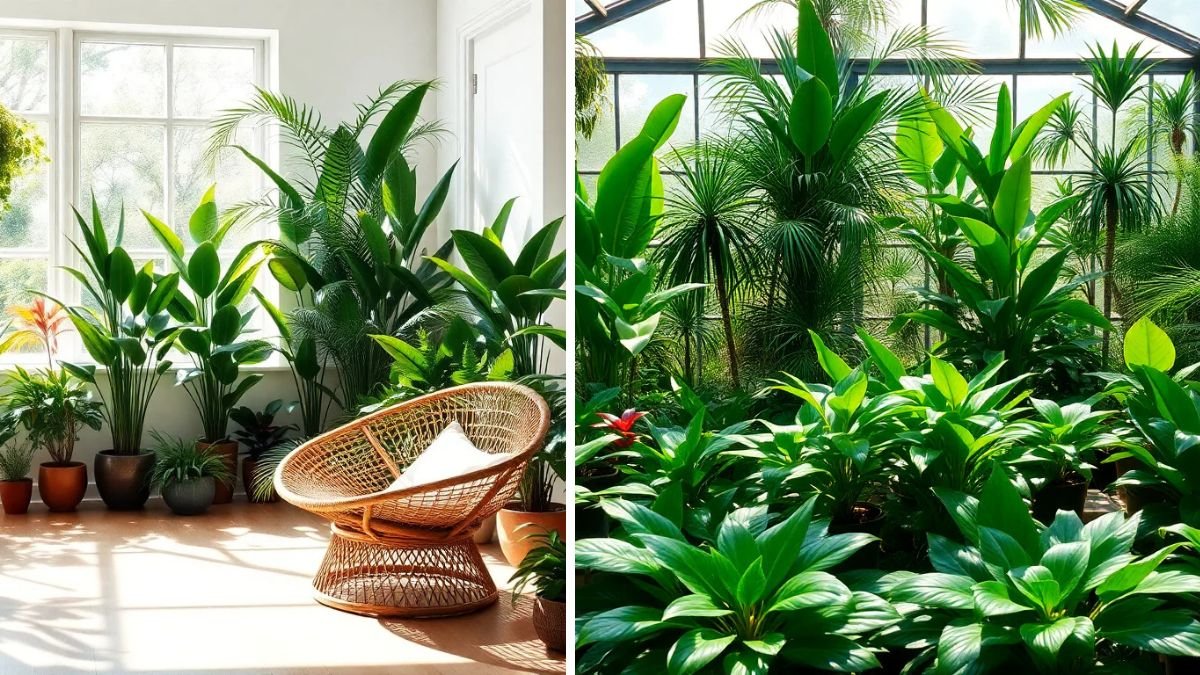

If you have ever dreamt of transforming your outdoor space into a tropical paradise, look no further than the Monstera plant. Known for its striking, fenestrated leaves and lush, vibrant green color, Monstera not only adds exotic flair to any garden but is also surprisingly easy to care for. In this article, we’ll dive into the allure of Monstera, its benefits for outdoor spaces, and how to successfully incorporate it into your gardening design.
The Beauty of Monstera Plants
What is Monstera?
Monstera, often referred to as the “Swiss cheese plant,” is native to the rainforests of Central America. The plant is characterized by its large, glossy leaves with unique holes and slits that give it a distinctive look. The most common species used for horticulture is the Monstera deliciosa, known for its large, heart-shaped leaves. Its unique appearance makes it a popular choice for both indoor and outdoor spaces.
Why Choose Monstera for Your Outdoor Space?
-
Tropical Aesthetic: Monstera’s lush foliage evokes thoughts of tropical vacations and sunny beaches. Incorporating these plants can instantly uplift the ambiance of your outdoor area.
-
Versatility: Monstera can be used in various gardening styles, from modern landscape designs to traditional tropical gardens. They can be featured in garden beds, hanging planters, or even as ground cover.
-
Air Purification: Like many houseplants, Monstera can improve air quality. They can filter out toxins, contributing to a healthier environment, even outdoors.
-
Easy Maintenance: Monstera plants are known for being hardy and adaptable, making them perfect for both novice and experienced gardeners. They thrive in various conditions and require minimal intervention.
Telling the Difference: Monstera Deliciosa vs. Other Varieties
While Monstera deliciosa is the most recognized species, there are other varieties, such as Monstera adansonii and Monstera obliqua. These varieties have different leaf shapes and sizes but generally offer the same lush appearance typical of Monstera plants. When selecting Monstera for your outdoor space, consider the specific features you prefer—larger leaves, denser foliage, or dramatic leaf patterns.
Designing Your Tropical Garden with Monstera
Choosing the Right Location
Monstera plants thrive in warm, humid conditions. When incorporating them into your outdoor space, consider the following:
-
Sunlight: Monstera prefers bright, indirect sunlight. Avoid placing them in full sun as it can scorch their leaves. A spot with dappled sunlight or partial shade is ideal.
-
Protection from Wind: If you live in a windy area, ensure that your Monstera plants have some windbreak, as strong winds can damage their delicate leaves.
-
Soil Requirements: Monstera thrives in well-draining soil. Consider mixing regular garden soil with organic material, such as compost or peat, to keep the soil moist yet not waterlogged.
Creating Layers with Monstera
To achieve a lush, tropical look, consider layering your space with Monstera plants and other companions:
-
Group Planting: Planting Monstera in clusters creates a more dramatic effect. Grouping different sizes and growth stages can also enhance visual appeal.
-
Mixing Textures: Pair Monstera with plants that have contrasting textures. Ferns, palms, and colorful foliage plants can complement Monstera’s bold leaves.
-
Vining Options: Consider growing Monstera vertically by using trellises or adding climbing frames. This not only saves space but also maximizes outdoor areas and adds height.
-
Incorporating Focal Points: Use large Monstera plants as focal points in your garden, framing them with smaller plants or decorative garden elements like a water feature or stone pathway.
Seasonal Considerations
Monstera is hardy to USDA Zones 10-12 but can adapt in cooler climates if cared for properly. Here are seasonal tips:
-
Spring: This is the best time to plant and prune. Fresh growth will emerge, and you can encourage new foliage.
-
Summer: Ensure your Monstera is adequately watered in the summer heat. Monitor humidity levels if you live in a dry area.
-
Fall and Winter: If you live in a cooler climate, you may need to bring your Monstera indoors during colder months. Ensure they are placed in a light-filled spot to help them acclimatize.
Caring for Monstera Plants
Watering
Monstera enjoys moist soil but requires good drainage. Water the plant when the top inch of soil begins to dry out. Overwatering can lead to root rot, so always check the soil before watering.
Fertilizing
During the growing season (spring and summer), apply a balanced, water-soluble fertilizer every month. In fall, reduce feeding, and stop in winter when the plant goes dormant.
Pruning
Pruning your Monstera can help maintain its shape and encourage bushier growth. Remove any yellow or damaged leaves to ensure the plant remains healthy.
Pest Management
Keep an eye out for pests such as spider mites and aphids. Regularly inspecting your plant and gently wiping the leaves with a damp cloth can prevent infestations.
FAQ Section
1. Can Monstera survive outdoors all year round?
Monstera is best suited for USDA Zones 10-12. If you live in a cooler area, you’ll likely need to bring it indoors during the winter to prevent frost damage.
2. How often should I water my Monstera plant?
Water your Monstera when the top inch of soil feels dry. It’s essential to avoid soggy soil to prevent root rot.
3. Does Monstera need direct sunlight?
No, Monstera prefers bright, indirect sunlight. Too much direct sunlight can scorch its leaves.
4. Can I propagate Monstera?
Yes! Propagation can be done through stem cuttings. Ensure each cutting has at least one node, place it in water or soil, and watch it grow!
5. What should I do if my Monstera’s leaves turn yellow?
Yellowing leaves can indicate overwatering or inadequate light. Check your care routine and adjust as necessary.
6. Are Monstera plants toxic to pets?
Yes, Monstera plants are toxic if ingested by pets. If you have pets that chew on plants, consider placing Monstera out of their reach.
7. How long does it take for Monstera to grow large leaves?
Monstera can grow large leaves within a few months under optimal conditions. However, the growth rate can depend on factors like light, watering, and fertilizer.
Conclusion
Transforming your outdoor space into a tropical haven is not only achievable with Monstera plants, but it can also be incredibly rewarding. Their stunning foliage, easy maintenance, and air-purifying qualities make them ideal for gardens of all types. By following the tips outlined in this article, you can create a lush, vibrant atmosphere that will be the envy of all who visit. So why wait? Dive into the world of Monstera and watch your outdoor space blossom into a tropical paradise!