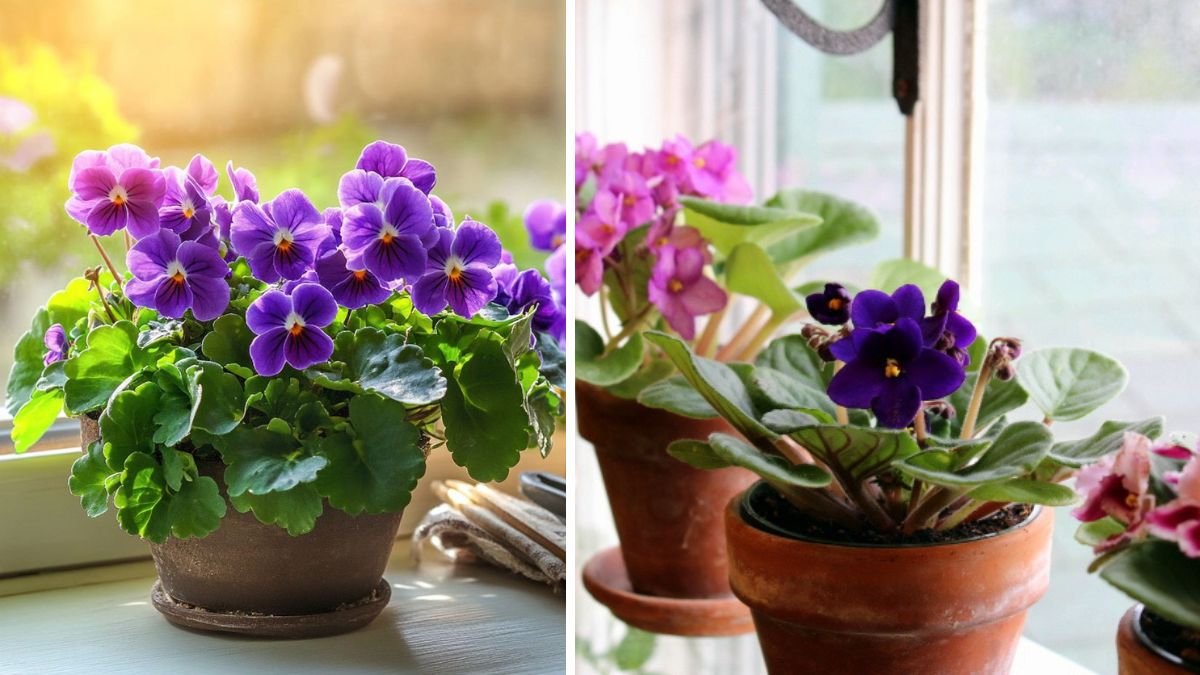

African violets are cherished houseplants known for their lush foliage and stunning blooms. However, to ensure their vibrant colors and healthy growth, proper watering is crucial. This guide delves into the best methods for watering African violets, examining everything from soil selection to watering frequency, and provides a comprehensive FAQ section to address common concerns.
Understanding African Violet Needs
Native Habitat
African violets (Saintpaulia) originate from tropical East Africa, where they grow under the canopy of trees in moist but well-draining soil. This native habitat informs their watering needs; they thrive in high humidity and require consistently moist soil without becoming waterlogged.
Ideal Soil Composition
The right soil mix for African violets is vital for hydration management. A peat-based soil with good aeration is a popular choice. You can create your own mix by combining:
- 1 part peat moss
- 1 part perlite or vermiculite
- 1 part potting soil
This mix retains moisture without suffocating the roots, ensuring a balance between drainage and moisture retention.
Water Quality Matters
Type of Water
The water you use can significantly affect the health of your African violets. Here are some recommendations:
- Rainwater: Ideal for watering African violets, as it’s naturally soft and free of chemicals.
- Distilled Water: A good alternative, especially if your tap water has high mineral content.
- Tap Water: If you must use tap water, let it sit out for 24 hours to allow chlorine and other chemicals to dissipate.
Temperature
Temperature plays an integral role in water absorption. Water your African violets with lukewarm water (around room temperature), as cold water can shock the roots, leading to stress.
Watering Techniques
Top Watering
Top watering involves pouring water directly onto the soil surface. Here’s how to do it effectively:
- Moisten the Soil: Use a watering can with a narrow spout to allow for precise watering.
- Avoid the Leaves: Stay clear of the leaves; water on foliage can lead to leaf spots or rot.
- Check for Drainage: Ensure excess water drains through the pot’s holes to avoid standing water.
Bottom Watering
Bottom watering has gained popularity for its ability to prevent water from pooling on the leaves. Here’s how to perform it:
- Fill a Tray with Water: Place your African violet pot in a shallow tray filled with lukewarm water.
- Allow Absorption: Leave the pot to absorb water for about 30 minutes. This enables the soil to soak up moisture from the bottom, allowing for even distribution.
- Remove Excess Water: After soaking, ensure there’s no excess water left in the tray to prevent root rot.
Frequency of Watering
Signs to Water
African violets require a consistent moisture level. The key indicators for watering include:
- Soil Moisture: Stick your finger about an inch into the soil. If it feels dry, it’s time to water.
- Leaf Texture: Leaves may begin to feel leathery or wilted when the plant is thirsty.
- Weight of the Pot: A lighter pot indicates dry soil. Learn the weight of your pot when it’s moist, so you can gauge when it needs water.
Seasonal Adjustments
African violets may need adjusting water frequency based on the season:
- Spring/Summer: These active growth periods usually require more frequent watering.
- Fall/Winter: Reduce watering, as the plant enters dormancy. The soil will take longer to dry out during these cooler months.
Humidity Requirements
African violets thrive in high humidity. Here are some ways to maintain proper humidity:
- Misting: Lightly mist your plants, but avoid getting water on the leaves. Aim to mist early in the day to allow drying.
- Humidity Trays: Place a shallow tray filled with water and pebbles underneath your pot to increase environmental humidity.
- Closed Terrariums: For those looking to create a miniature climate, consider using a closed terrarium.
Fertilization and Watering
When to Fertilize
Proper fertilization maximizes the effects of your watering strategy. Use a specially formulated African violet fertilizer that includes:
- Nitrogen: For growth.
- Phosphorus: Essential for blooms.
- Potassium: Aids overall health.
Fertilize every 4-6 weeks during the growing season, diluting the fertilizer to half strength when watering.
Common Issues with Watering
Root Rot
Overwatering is the primary cause of root rot. Signs include:
- Yellowing leaves
- Wilting despite wet soil
- A rotten smell from the pot
To combat root rot, halt watering and remove the plant from its pot to inspect the roots. Trim away any rotten parts and repot the plant in fresh soil.
Leaf Spotting
Watering African violets from above can lead to leaf spotting. This is mainly due to water pooling on the leaves. To prevent this:
- Always water the soil directly.
- Opt for bottom watering when possible.
Best Practices for Watering African Violets
- Watering Schedule: Establish a routine based on seasonal needs and response observations.
- Monitor Soil: Regularly check that the soil moisture level is consistent but not soggy.
- Use the Right Tools: Employ a watering can with a long spout for better control.
- Observe Your Plant: Each plant is unique, so adjust your methods based on your African violet’s specific needs.
Conclusion
Understanding the nuances of watering African violets is pivotal for achieving spectacular blooms and healthy plants. By meticulously managing soil composition, water quality, methods of watering, and seasonal adjustments, you can create an optimal environment for these beautiful houseplants. With patience and care, your African violets can thrive, rewarding you with dazzling flowers and lush foliage.
FAQs
How often should I water my African violets?
Typically, African violets should be watered every 5-7 days, but this can vary based on humidity, pot size, and season. Always check the soil moisture before watering.
Can I use tap water?
Yes, you can use tap water, but let it sit out for 24 hours to dissipate harmful chemicals like chlorine.
How can I tell if my African violets are getting too much or too little water?
Too much water may cause yellowing leaves and root rot, while too little may cause wilted or dry leaves. Regularly check soil moisture for balance.
What is the best way to fertilize African violets?
Fertilize using a water-soluble African violet fertilizer every 4-6 weeks during the growing season, using half the recommended strength.
Should I mist my African violets?
Misting can help with humidity, but it’s important not to get water on the leaves, as this can lead to spotting or rot. Use humidity trays or closed terrariums as effective alternatives.
Can I use a regular potting mix for African violets?
Regular potting mix can be too dense. It’s better to use a specially formulated African violet soil mix or create a mix of peat, perlite, and potting soil for optimal drainage and moisture retention.