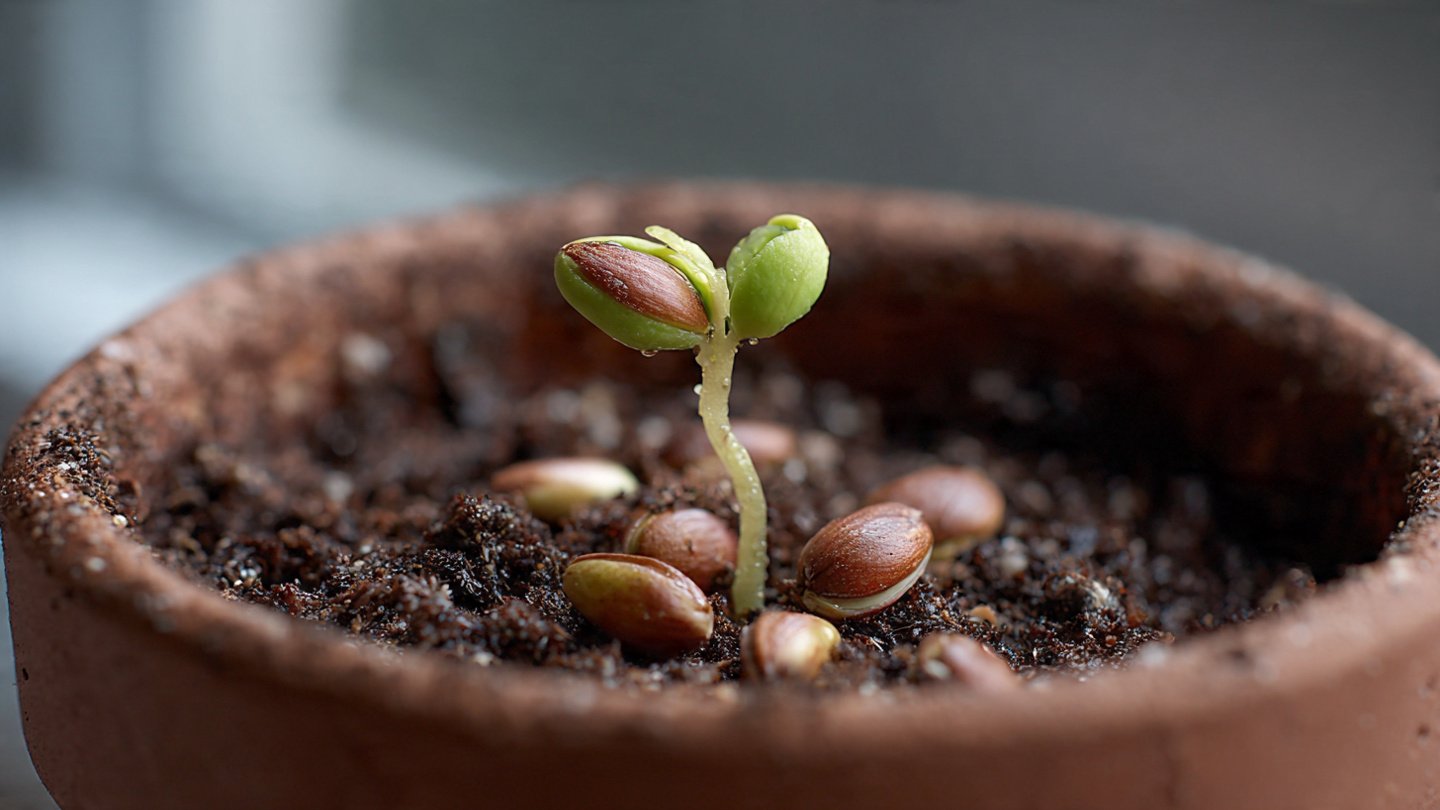

Growing apple trees from seeds can be a rewarding and fulfilling endeavor. Many gardeners dream of nurturing their own trees, but few realize the intricacies involved in the process. In this comprehensive guide, we will explore how to sprout apple seeds at home without the use of chemicals, along with tips, tricks, and a dedicated FAQ section.
Understanding Apple Seeds
Apple seeds, like many other seeds, contain the genetic blueprint for growing an entire tree. However, apple trees grown from seeds often do not produce fruit that is identical to the parent apple. Due to cross-pollination, seedlings can yield fruit that varies widely in flavor, color, and texture. Additionally, the seeds need to undergo a process known as stratification to germinate successfully.
Advantages of Growing from Seeds
- Cost-Effective: Growing from seeds is typically cheaper than purchasing seedlings or grafted trees.
- Variety: You can experiment with various apple types by sourcing seeds from different apples.
- Learning Experience: Starting from seed allows you to engage in and understand the early stages of plant life.
Choosing the Right Seeds
When beginning your journey into apple seed germination, selecting the right seeds is crucial. Here’s how to choose:
- Source from Organic Apples: It’s best to use seeds from organic apples. Conventionally grown apples may have been treated with pesticides, which can affect germination.
- Identify Hardy Varieties: If you live in a colder climate, select seeds from apple varieties that thrive in your area.
- Avoid Hybrid Varieties: Hybrid apples may not produce the same fruit when grown from seeds, leading to inconsistent results.
Preparing Seeds for Planting
Once you have your seeds, the preparation process begins. Follow these steps:
Step 1: Extracting Seeds
- Choose Ripe Apples: Select apples that are ripe and sweet, as they tend to have the best seeds.
- Remove Seeds: Cut the apple and carefully extract the seeds. Rinse them under cool water to remove any fruit residue.
Step 2: Stratification
Stratification is mimicking the natural freeze-thaw cycle seeds undergo in winter. This process is vital for apple seeds and can be performed as follows:
Cold Stratification Method
- Prepare a Medium: Use a moist mixture of peat moss, perlite, or sand.
- Combine Seeds and Medium: Mix the seeds with the medium in a small container or bag.
- Refrigerate: Place the mixture in the refrigerator at about 33-40°F (1-4°C) for 6-8 weeks. Check frequently to ensure the medium remains moist but not soggy.
Step 3: Germination
After stratification, the seeds will be ready to germinate. Here’s what you need to do:
- Choose Containers: Use small pots or seed trays with drainage holes.
- Plant the Seeds: Fill with seed-starting soil and plant the seeds about ½ inch deep. Water gently to ensure good seed-to-soil contact.
- Provide Warmth and Light: Place the containers in a warm area with indirect sunlight or under grow lights.
Step 4: Watering
Keep the soil consistently moist but not saturated. Avoid over-watering, as this can lead to root rot. A good practice is to water the soil gently when the top inch feels dry.
Caring for Your Seedlings
Once the seeds germinate (usually in 2-6 weeks), proper care is essential for robust growth.
Transplanting Seedlings
When seedlings develop their second set of true leaves, they are ready to be transplanted into larger pots or directly into the garden:
- Gently remove the seedlings from their original containers.
- Handle them by the leaves (not the stem) to avoid damage.
- Plant them in a well-draining soil mix at the same depth they were originally growing.
Fertilizing
Since we are avoiding chemicals, consider using organic fertilizers such as compost or well-rotted manure. Apply a diluted solution every couple of weeks to promote healthy growth.
Sunlight and Temperature
Apple seedlings prefer full sun. Aim for 6-8 hours of sunlight each day. If growing indoors during winter, rotate pots regularly to ensure even sunlight exposure.
Pest and Disease Management
Healthy seedlings can still be susceptible to pests and diseases. Here are some organic methods to keep them safe:
- Neem Oil: An organic pest control option to deter insects.
- Companion Planting: Planting garlic or marigolds nearby can help repel pests.
- Regular Inspections: Regularly check your plants for signs of pests or diseases and take immediate action.
Preparing for Outdoor Planting
Once the seedlings are about 6-12 inches tall and have several leaves, it’s time to transition them outdoors:
Hardening Off
Before planting outside, gradually acclimate your seedlings to outdoor conditions:
- Week 1: Place them in a sheltered location for a few hours a day, gradually increasing the amount of time they spend outdoors.
- Week 2: Begin introducing them to more direct sunlight and outdoors for longer periods.
Selecting the Planting Site
Choose a location with well-draining soil, full sun exposure, and sufficient space for growth. Apple trees typically need a good amount of room to flourish.
Planting
- Dig a Hole: Make a hole that is twice as wide as the root ball but no deeper than the root system.
- Place the Seedling: Position the seedling, ensuring the root crown is level with the soil surface.
- Backfill and Water: Backfill the hole with soil and water thoroughly.
Nurturing Your Young Apple Tree
Once established, young trees need ongoing care to thrive:
- Watering: For the first year, water regularly, especially during dry periods, allowing the top inch of soil to dry out between waterings.
- Mulching: Add a layer of organic mulch to retain moisture and suppress weeds.
- Fertilization: Apply organic fertilizers annually to help support growth.
Patience is Key
Growing apple trees from seeds is a long-term project. It may take several years before your tree begins to bear fruit. However, the process is fulfilling and allows for a deep connection with your plants.
FAQs
1. Can I sprout apple seeds from store-bought apples?
Yes, you can sprout apple seeds from store-bought apples, provided they are organic. Avoid seeds from genetically modified or hybrid apples for best results.
2. Will the apple seeds grow into the same variety of apple?
Not necessarily. Apple trees grown from seeds will likely produce fruit that varies from the parent apple due to cross-pollination.
3. How long does it take for apple seeds to germinate?
Apple seeds typically germinate within 2 to 6 weeks after planting, provided they undergo the necessary stratification.
4. Do I need to use chemicals to grow apple trees?
No, you can successfully grow healthy apple trees using organic methods and without chemicals. Natural fertilizers and pest control options are effective.
5. Should I prune my apple trees?
Pruning helps maintain tree health and encourages better fruit production. Start pruning when your tree is about two years old.
6. Can I grow apple trees in containers?
Yes, you can grow apple trees in large containers. Choose dwarf or semi-dwarf varieties for best results, ensuring the pots have good drainage.
7. What if my seedlings don’t sprout?
If seedlings do not sprout, check your stratification process, soil moisture, and temperature conditions. Make adjustments as necessary.
Conclusion
Growing apple trees from seeds is an enriching experience that connects you with nature. With patience, care, and organic practices, you can successfully cultivate apple trees that will bear fruit for years to come. Enjoy the journey of planting, nurturing, and harvesting — you’ll be rewarded with not just apples, but the joy of watching your trees grow!