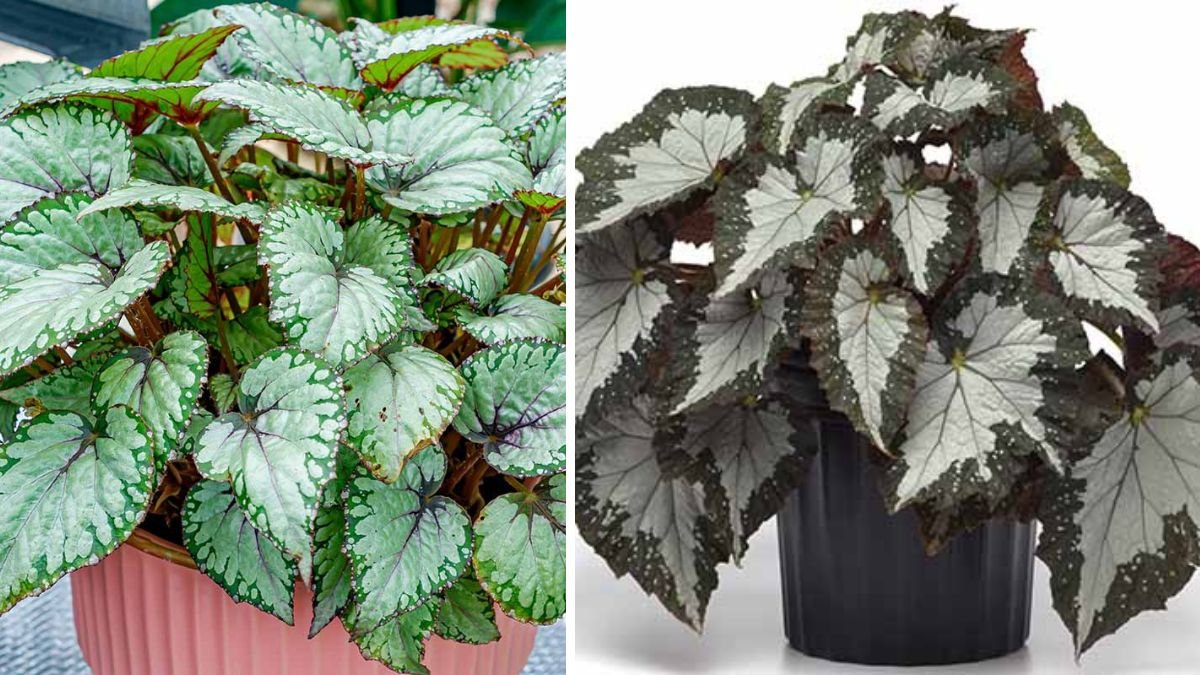

Rex Begonias, known for their stunning foliage and intricate leaf patterns, are a favorite among houseplant enthusiasts. With their vibrant colors and unique shapes, these plants can transform any indoor space into a lush oasis. However, growing Rex Begonias successfully requires knowledge and care, especially when cultivated indoors. This guide will explore effective techniques and tips to help you nurture these beautiful plants, ensuring they thrive in your home.
Understanding Rex Begonias
Scientific Classification
Rex Begonia, part of the Begoniaceae family, comprises various species and hybrids characterized by their decorative leaves rather than flowers. The leaves can exhibit a broad spectrum of colors, including deep burgundy, silver, green, and even pink.
Growth Habits
These begonias prefer a relatively compact growth habit, often reaching heights of 12 to 24 inches. Their leaves, which may grow to be several inches wide, are typically asymmetrical and have a waxy sheen.
Choosing the Right Environment
1. Light Requirements
Rex Begonias thrive in bright, indirect light. Direct sunlight can scorch their delicate leaves, leading to brown edges and wilting. Ideally, place your Rex Begonia near a window with filtered light, such as through sheer curtains. If natural light is limited, consider using grow lights to supplement their light intake.
2. Temperature and Humidity
Rex Begonias enjoy warm temperatures, ideally between 65°F and 75°F (18°C to 24°C). They are sensitive to cold drafts and sudden temperature fluctuations, so avoid placing them near air conditioning vents or drafty windows.
Humidity is crucial for these plants; they thrive in environments with high humidity levels, ideally around 50% to 70%. To increase humidity indoors, consider the following methods:
- Misting: Lightly misting the leaves can create a mini microclimate. Ensure the water is at room temperature to avoid shocking the plant.
- Humidity Trays: Place a shallow tray filled with pebbles and water beneath the pot, ensuring the bottom of the pot isn’t submerged.
- Grouping Plants: Surrounding your Rex Begonia with other houseplants can help create a more humid environment.
Potting and Soil
3. Selecting the Right Pot
Choose a pot with drainage holes to prevent water from accumulating at the bottom. This helps avoid root rot, a common issue with Rex Begonias. You can opt for clay pots, which offer better aeration, or plastic pots that retain more moisture.
4. Soil Requirements
Rex Begonias prefer a well-draining, lightweight potting mix. A suitable mix might consist of:
- Peat-Based Soil: Provides moisture retention.
- Perlite or Pumice: Enhances drainage.
- Orchid Bark: Improves aeration and root development.
DIY Promix Recipe: Mix equal parts peat moss, perlite, and orchid bark for an ideal growing medium.
Watering Techniques
5. Finding the Right Balance
Rex Begonias are particularly sensitive to overwatering. Water your plant when the top inch of soil feels dry to the touch, ensuring that excess water can drain freely. Ideally, water with distilled or rainwater, as tap water may contain chemicals that could harm the plant.
6. Signs of Overwatering and Underwatering
Be observant of your Rex Begonia. Signs of overwatering include yellowing leaves and mushy stems, while underwatering often results in wilting and crispy leaf margins. Adjust your watering routine accordingly to keep your plant in peak condition.
Fertilizing Your Rex Begonia
7. Choosing the Right Fertilizer
Rex Begonias benefit from regular fertilization during the growing season (spring and summer). Use a balanced, water-soluble fertilizer diluted to half-strength every 4-6 weeks. For a more organic approach, consider using diluted fish emulsion or seaweed extract.
8. Signs of Nutrient Deficiency
Keep an eye out for pale or discolored leaves, which may indicate a lack of essential nutrients. Adjust your fertilizing schedule accordingly, ensuring your Rex Begonia receives adequate nutrition.
Pruning and Propagation
9. Pruning for Health and Aesthetics
Regular pruning helps maintain the shape and health of your Rex Begonia. Remove any dead or damaged leaves, which can harbor pests and diseases. Cutting back leggy growth encourages bushier, healthier plants.
10. Propagation Techniques
Rex Begonias can be propagated through leaf cuttings or division:
- Leaf Cuttings: Cut a healthy leaf into sections, each containing a vein, and plant them in a moist potting mix. Place in a humid environment until roots develop.
- Division: When repotting, divide the plant into multiple sections, ensuring each has roots and leaves.
Pests and Diseases
11. Common Pests
Pests such as aphids, mealybugs, and spider mites can be detrimental to Rex Begonias. Monitor your plants regularly and treat infestations promptly:
- Neem Oil: A natural pesticide effective against various pests.
- Insecticidal Soap: Ideal for treating soft-bodied insects like aphids.
12. Disease Prevention
Root rot and fungal diseases can arise from poor watering practices. Ensure good air circulation, avoid overwatering, and maintain proper humidity levels to prevent these issues.
Seasonal Care
13. Adjusting for Winter
During the winter months, your Rex Begonia may require different care. Reduce watering as growth slows down and provide adequate light. Monitor humidity levels, as indoor heating can dry out the air.
14. Preparing for Spring
As the days grow longer and warmer, gradually increase watering and resume fertilization. Prune any dead foliage and consider repotting if the plant has outgrown its container.
FAQ Section
Q1: Can Rex Begonias bloom indoors?
Yes, while Rex Begonias are primarily grown for their stunning foliage, they can produce flowers. However, they may not bloom as frequently indoors as they would in optimal outdoor conditions.
Q2: How do I know if my Rex Begonia needs to be repotted?
Signs that your Rex Begonia needs repotting include root emergence from the drainage holes, water not absorbing quickly, or slowed growth. Generally, repot every 1-2 years.
Q3: What is the best way to increase humidity for Rex Begonias?
To enhance humidity, mist the leaves, use humidity trays, or group your Rex Begonia with other plants. A humidifier can also be particularly effective.
Q4: Is it safe to keep Rex Begonias around pets?
Rex Begonias are generally non-toxic to pets, but it’s always advisable to prevent pets from chewing on any houseplants, as some may still cause mild stomach upset.
Q5: How can I revive a wilting Rex Begonia?
First, assess the cause. If underwatered, give a thorough drink. If overwatered, let the soil dry out and check for root rot. Adjust your care routine to prevent recurrence.
Conclusion
Successfully growing Rex Begonias indoors takes a careful approach to their specific needs. By providing the right environmental conditions, proper watering techniques, and attentive care, you’ll be rewarded with vibrant foliage that brightens up your living space. With the information in this guide, you now have the tools and knowledge necessary to cultivate these beautiful plants effectively, making them a stunning addition to your indoor garden. Happy gardening!