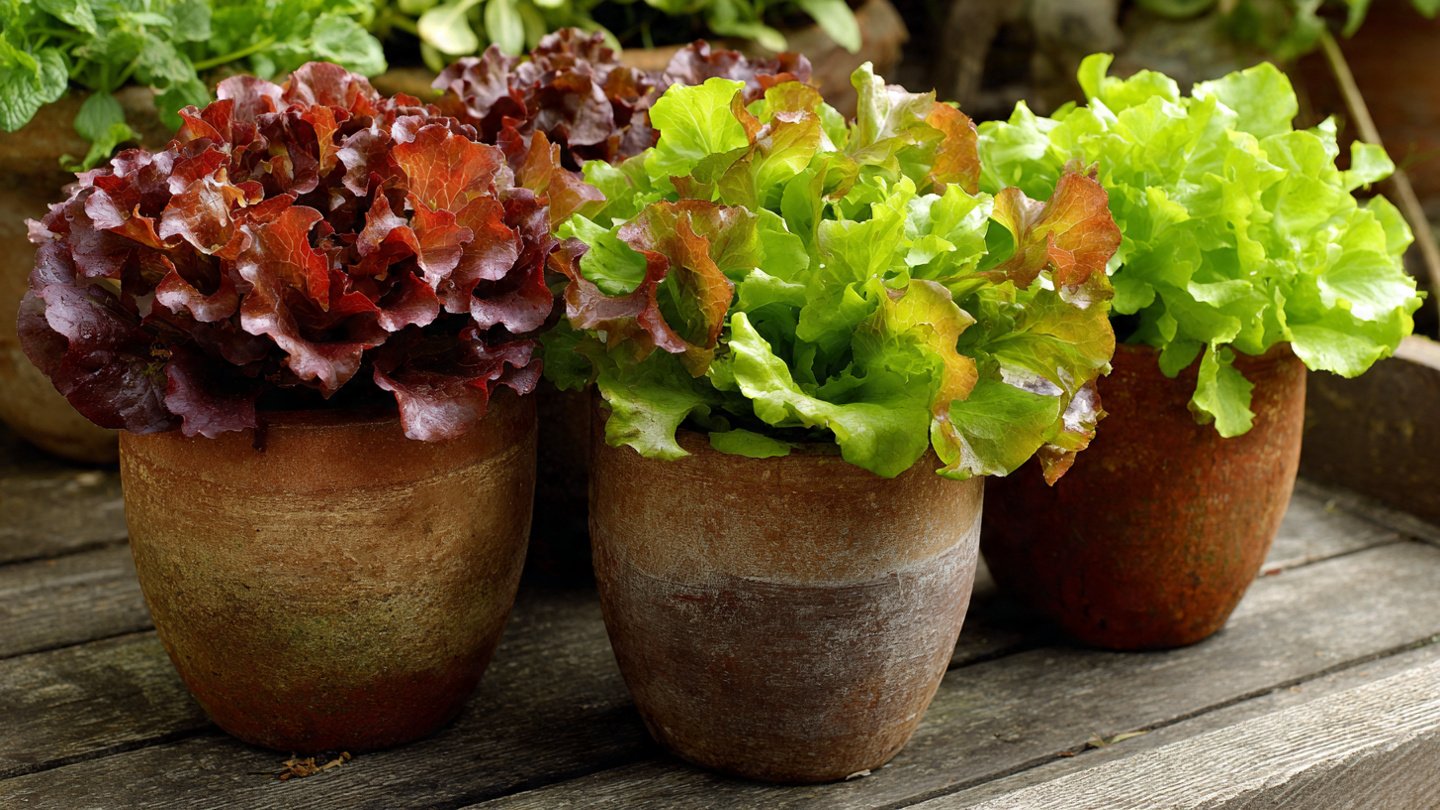

Urban gardening has gained immense popularity in recent years, especially among city dwellers seeking fresh produce in limited spaces. Growing red leaf lettuce in pots is an excellent way to add greenery to your urban living. This guide will walk you through everything you need to know about cultivating this delicious leafy green in containers, from the best varieties to planting, care tips, and troubleshooting.
Why Grow Red Leaf Lettuce?
Red leaf lettuce is not only visually striking with its vibrant colors, but it also offers a plethora of nutritional benefits. Rich in vitamins A, K, and essential minerals, this leafy green can enhance your salads, sandwiches, and smoothies. Additionally, cultivating your own lettuce provides a sense of fulfillment and ensures that you have access to fresh, organic produce right at your doorstep.
Choosing the Right Pots
1. Size and Material
When it comes to selecting pots for your red leaf lettuce, consider the following factors:
-
Size: A pot with a depth of at least 6-8 inches is ideal for red leaf lettuce. This depth allows for proper root growth and stability. A diameter of 10-12 inches is recommended for multiple plants.
-
Material: Choose pots made from materials like terracotta, plastic, or fiberglass. Terracotta pots are aesthetically pleasing and porous, promoting better air exchange, while plastic pots are lightweight and retain moisture well.
2. Drainage
Ensure your pots have adequate drainage holes. Good drainage is crucial to prevent root rot and promote healthy growth.
Selecting the Right Soil
1. Potting Mix
Using high-quality potting mix specifically designed for container gardening is vital. A mix that contains organic matter, peat moss, and perlite is excellent for retaining moisture while providing good aeration.
2. pH Level
Red leaf lettuce thrives in slightly acidic to neutral soil (pH 6.0 to 7.0). Testing your soil’s pH and amending it as necessary will help ensure optimal growth.
Choosing the Right Variety
When growing red leaf lettuce in pots, consider choosing varieties known for their adaptability to container life. Here are a few popular options:
-
Red Romaine: This variety features elongated leaves with a deep red color and a crunchy texture, providing a nice contrast in salads.
-
Butterhead Red Leaf: Known for its soft, tender leaves and sweet flavor, this variety is perfect for salads and sandwiches.
-
Red Leaf Lettuce (Lollo Rosso): This variety has frilled edges and a beautiful ruffled appearance, making it a stunning addition to your garden.
Planting Red Leaf Lettuce
1. Timing
Lettuce is a cool-season crop. The best time to plant red leaf lettuce in pots is in early spring or fall when temperatures are between 60°F to 70°F (15°C to 21°C). If you live in a warmer climate, you can plant in partial shade to prevent bolting.
2. Sowing Seeds
- Fill your pot with potting mix, leaving approximately 1 inch of space at the top.
- Moisten the soil lightly.
- Scatter lettuce seeds on top of the soil, then cover them with a thin layer of soil (about ¼ inch).
- Gently water to ensure the soil is moist but not soggy.
3. Transplanting Seedlings
If you’re starting with seedlings, transplant them when they have at least two true leaves and are about 3-4 inches tall. Space them 6-12 inches apart to allow for ample growth.
Care and Maintenance
1. Watering
Lettuce requires consistent moisture throughout its growing period. Water deeply and regularly, especially during dry spells, ensuring the soil remains moist but not waterlogged. A rule of thumb is to water when the top inch of soil feels dry.
2. Fertilization
Feed your red leaf lettuce with a balanced, water-soluble fertilizer every 4-6 weeks. Look for a fertilizer with equal parts nitrogen, phosphorus, and potassium (like a 10-10-10 formula). Organic options, such as compost or fish emulsion, are also excellent choices.
3. Light Requirements
Red leaf lettuce thrives in full sun to partial shade. Aim for at least 6 hours of sunlight daily. In hotter climates, providing some afternoon shade can prevent the plants from bolting.
4. Temperature Control
Maintain optimal temperatures for growing red leaf lettuce. If temperatures exceed 75°F (24°C), consider shading the plants or using row covers to keep them cool. Conversely, if it’s too cold, you can bring the pots indoors or use cloches to protect them.
Pest and Disease Management
1. Common Pests
Be on the lookout for pests that commonly affect lettuce, including:
-
Aphids: Small, green or black insects can suck sap from the leaves. Natural predators like ladybugs can help control their population.
-
Slugs and Snails: These pests can munch holes in your leaves. Handpicking or using traps can be effective.
-
Spider Mites: Webbing on the leaves can signal an infestation. Regular misting and washing the leaves can help deter them.
2. Diseases
Lettuce can be susceptible to diseases like downy mildew and lettuce mosaic virus. Practice crop rotation, avoid overhead watering, and ensure good air circulation around your plants to minimize disease risk.
Harvesting Red Leaf Lettuce
1. Timing
You can begin harvesting your red leaf lettuce approximately 40-60 days after planting seeds. To enjoy the freshest flavor, harvest when the leaves are tender, and before the plant bolts (goes to seed).
2. Method
-
Cutting Outer Leaves: Use scissors to snip off the outer leaves, allowing the center to continue growing. This method encourages continuous growth.
-
Whole Plant Harvest: If you prefer, you can harvest the entire plant by cutting it at the base. However, once cut, it won’t regrow.
Tips for Success
-
Rotate Crops: Avoid planting lettuce in the same pot without a break. This reduces the risk of soil-borne diseases.
-
Companion Planting: Consider planting companion herbs like basil or parsley alongside lettuce. These can help deter pests and improve growth.
-
Mulching: Adding a layer of mulch can help retain soil moisture and suppress weeds.
-
Monitor Growth: Regularly check your plants for signs of stress, pests, or diseases. Quick intervention can save your crop.
FAQs
1. How often should I water my red leaf lettuce?
Water when the top inch of soil feels dry, which may vary from daily to every few days depending on the weather. Consistency is key.
2. Can I grow red leaf lettuce indoors?
Yes! Ensure they receive enough light—ideally 12-16 hours per day using grow lights—and maintain appropriate temperatures.
3. Is red leaf lettuce prone to any specific diseases?
Yes, conditions like downy mildew and lettuce mosaic virus can affect red leaf lettuce. Good practices in watering, spacing, and crop rotation can mitigate these issues.
4. How do I prevent my lettuce from bolting?
To prevent bolting, grow your lettuce during cooler months, keep the plants adequately watered, and ensure they have some shade in hotter weather.
5. Can I reuse potting soil?
While reusing potting soil is possible, it’s crucial to amend it with fresh nutrients, as nutrients may have been depleted by previous plants.
Conclusion
Growing red leaf lettuce in pots is a rewarding endeavor that brings beauty to your urban garden and fresh flavors to your kitchen. By following the advice in this guide, you’ll be well-equipped to cultivate healthy, delicious red leaf lettuce that thrives in your urban environment. Happy gardening!