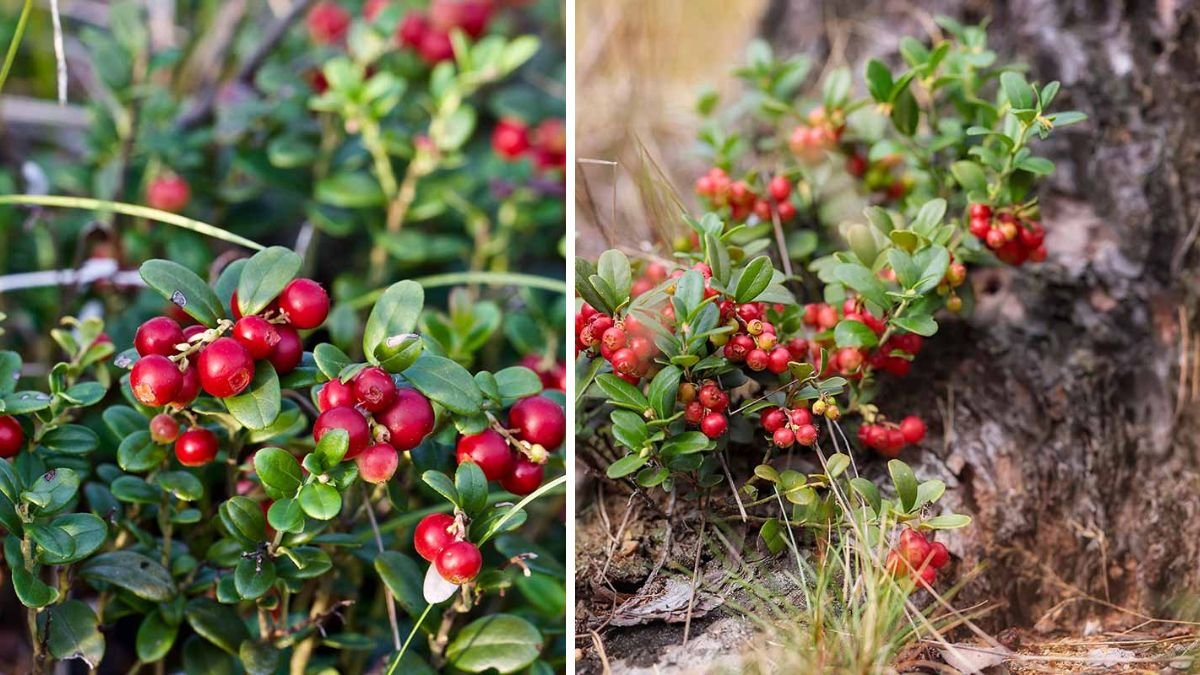

Lingonberries (Vaccinium vitis-idaea) are not only delicious but also packed with antioxidants and essential nutrients. These small, red berries thrive in acidic and well-drained soils, making them ideal for container gardening on urban balconies. This guide will walk you through the essentials of growing lingonberries in urban spaces, addressing everything from preparation to maintenance.
1. Understanding Lingonberries
1.1 What are Lingonberries?
Lingonberries are a perennial shrub native to North America and Northern Europe. They produce small, tart red berries that are typically harvested in late summer to early fall. These berries are excellent for jams, sauces, and even medicinal uses, thanks to their high levels of vitamins and antioxidants.
1.2 Benefits of Growing Lingonberries
- Nutritional Powerhouse: Rich in vitamins C and E, fiber, and antioxidants.
- Low Maintenance: Once established, lingonberries require minimal care.
- Aesthetic Appeal: The plant offers beautiful foliage and seasonal red berries.
- Environmentally Friendly: Attracts pollinators and supports local biodiversity.
2. Preparing for Planting
2.1 Choosing the Right Container
- Size: Use a container that is at least 12-16 inches deep and wide.
- Material: Choose ceramic, plastic, or wood pots with good drainage.
2.2 Selecting the Ideal Soil
Lingonberries prefer acidic soils (pH 4.5 – 5.5). Use a mix that contains:
- Peat moss
- Pine bark
- Perlite or vermiculite
2.3 Picking the Perfect Location
Find a spot that gets around 6-8 hours of sunlight daily. A south-facing balcony is typically ideal. Ensure your chosen area offers some protection from strong winds and heavy rain.
3. Planting Lingonberries
3.1 When to Plant
The best time to plant lingonberries is in late spring or early fall. This timing allows roots to establish themselves before the stress of extreme temperatures.
3.2 Planting Steps
- Prepare the Container: Add a layer of gravel or broken pottery at the bottom for drainage.
- Fill with Soil: Add the acidic soil mix, leaving enough space for your plant.
- Planting: Remove the lingonberry from its nursery pot and gently loosen the root ball. Plant it at the same depth it was in the nursery pot.
- Watering: Water thoroughly to encourage root establishment, but avoid waterlogging.
4. Caring for Your Lingonberry Plants
4.1 Watering
Lingonberries prefer consistent moisture but should not be waterlogged. Water when the top inch of soil feels dry. In warmer months, this may require watering every few days.
4.2 Fertilization
Use a balanced, slow-release fertilizer designed for acid-loving plants in early spring. Avoid over-fertilizing, as this can lead to excessive foliage growth at the expense of berries.
4.3 Pruning
Pruning is essential for maintaining plant health and encouraging robust fruit production. Early spring is the best time to prune:
- Remove dead or diseased wood.
- Thin out crowded branches to improve air circulation.
- Trim back last year’s growth to promote new branch development.
4.4 Pest and Disease Management
Lingonberries are generally resistant to pests and diseases, but it’s essential to keep an eye out for:
- Fungal Diseases: Ensure good airflow and avoid water on foliage.
- Birds: Use netting to protect berries from birds once they start turning red.
5. Harvesting Lingonberries
Typically, lingonberries will be ready to harvest in late summer or early autumn. You’ll know they are ripe when they turn a vibrant red and easily detach from the shrub.
5.1 How to Harvest
- Manual Harvesting: Gently pick berries by hand, taking care to avoid damaging the plant.
- Tools: Use a small berry rake or comb for larger harvests.
5.2 Post-Harvest Care
Once harvested, rinse the berries gently and store them in the refrigerator. They can last for up to a month when properly stored. For long-term storage, consider making jams or freezing the berries.
6. Troubleshooting Common Issues
6.1 Poor Growth
If your lingonberries are not thriving:
- Check your soil pH; it may require amendment.
- Ensure they are getting enough sunlight.
- Re-evaluate your watering routine.
6.2 Low Fruit Production
If flowers bloom but fruits fail to develop:
- Ensure adequate pollination. Adding a second plant can help.
- Check nutrient levels; a lack of potassium can hinder fruiting.
6.3 Foliage Issues
Yellowing leaves may indicate overwatering, nutrient deficiencies, or pH imbalances. Adjust watering and check soil conditions.
7. Frequently Asked Questions (FAQs)
Q1: How many lingonberry plants do I need for pollination?
A: While lingonberries are self-pollinating, planting multiple plants can increase your yield, as cross-pollination often boosts fruit set.
Q2: Can lingonberries survive winter outdoors?
A: Yes! Lingonberries are cold-hardy. However, it’s wise to insulate the containers with burlap or straw to protect roots from freezing.
Q3: How often should I fertilize my plants?
A: Fertilizing once in early spring is usually sufficient. Adjust based on the growth and health of your plants.
Q4: Can I grow lingonberries indoors?
A: Yes! You can grow lingonberries indoors, provided they receive enough sunlight (6-8 hours) and are potted in the appropriate acidic soil.
Q5: What is the best way to preserve lingonberries?
A: Lingonberries can be frozen, canned into jams, or fermented. If freezing, wash, dry, and place them in airtight containers to avoid freezer burn.
Conclusion
Growing lingonberries on your balcony can be a rewarding experience, providing both delicious fruit and an attractive addition to your urban living space. With the right preparation, care, and understanding of their needs, you can enjoy a thriving crop of these nutritious berries. Whether you’re experimenting with new recipes or simply enjoying their fresh taste, lingonberries can become a cherished part of your urban gardening journey.
Additional Tips
- Companion Planting: Consider growing lingonberries alongside other acid-loving plants like blueberries or cranberries for a delightful berry patch.
- Monitoring Growth: Keep a gardening journal to track your plants’ growth, helping to identify what works best for your conditions.
By adhering to these guidelines and tips, you can successfully navigate the process of growing lingonberries, turning your balcony into a lush and fruitful retreat. Happy gardening!