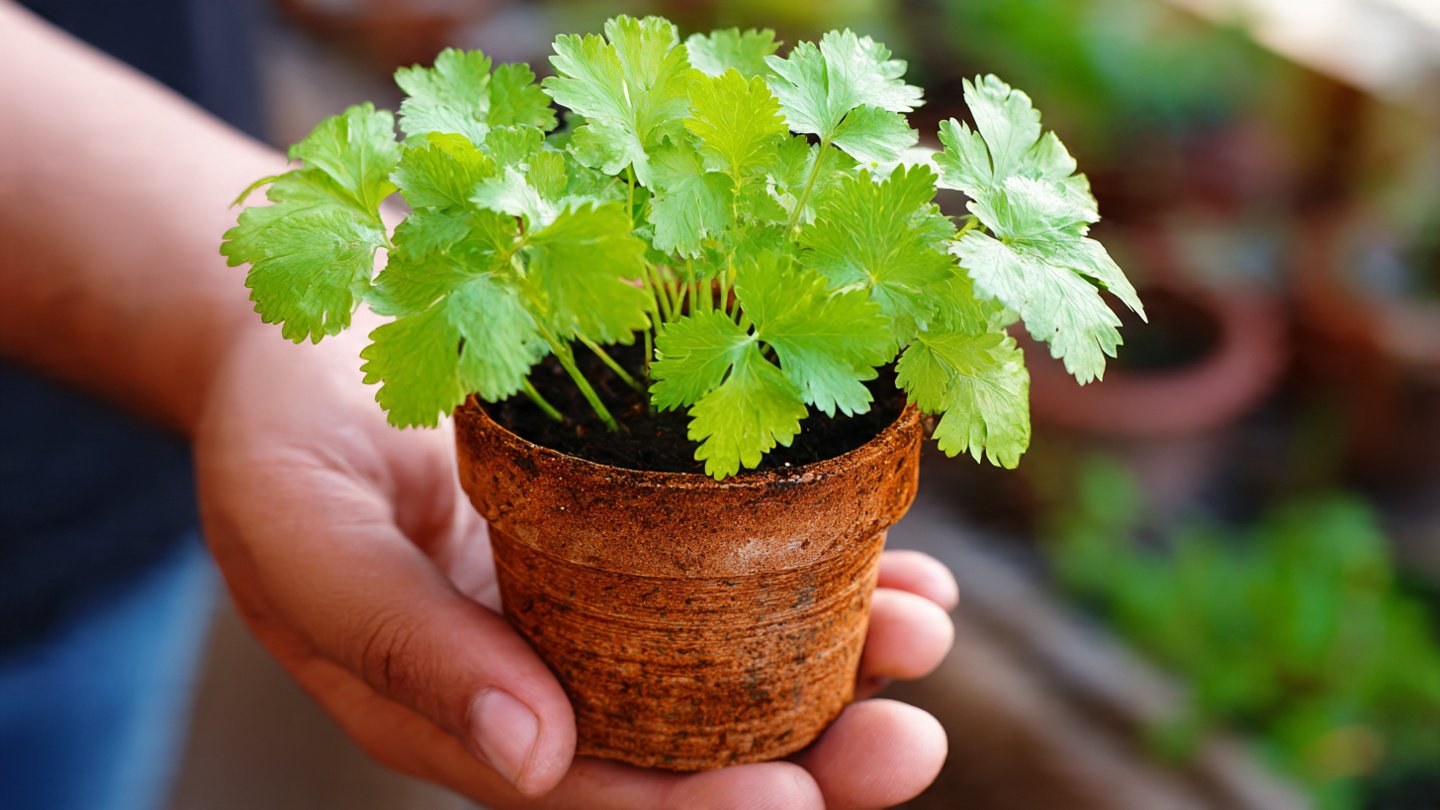

Coriander (Coriandrum sativum), also known as cilantro, is a versatile herb that adds flavor to a variety of dishes. Whether you’re cooking Mexican salsa, Indian curries, or Middle Eastern tabbouleh, coriander’s bright flavor elevates your culinary creations. For those with limited space, such as apartment dwellers or urban gardeners, growing coriander in small pots can be a rewarding endeavor. This comprehensive guide will provide you with everything you need to know about successfully growing coriander in small pots.
Understanding Coriander
Before diving into the growing process, it’s essential to understand what coriander is and how it grows. Coriander is a fast-growing herb that can reach a height of 1 to 2 feet. It features delicate, feathery leaves and produces small white or pale pink flowers. Most importantly, coriander offers both foliage and seeds, making it a dual-purpose herb.
Benefits of Growing Coriander
-
Flavor and Nutrients: Fresh coriander enhances dishes while offering vitamins A, C, and K, along with minerals like potassium and magnesium.
-
Easy to Grow: Coriander is relatively low maintenance, making it an excellent choice for beginners.
-
Space Efficient: Growing in pots allows you to maximize limited space, whether on a balcony, patio, or kitchen windowsill.
Selecting the Right Pot
Size
For growing coriander, select pots that are at least 6-8 inches in diameter and 6-8 inches deep. While coriander doesn’t require a deep pot, adequate space allows for root development.
Material
The pot material also matters. Terracotta pots are breathable, which helps in preventing overwatering, while plastic pots are lightweight and retain moisture better. Consider your climate and personal preference when choosing.
Drainage
Ensure your pots have drainage holes to prevent waterlogging, which can harm the roots. If your pot doesn’t have holes, consider adding a layer of gravel at the bottom before filling it with soil.
Soil Requirements
Coriander thrives in well-draining soil rich in organic matter. Here are some suggestions:
-
Potting Mix: Use a high-quality, commercially available potting mix that contains perlite or vermiculite for aeration.
-
pH Levels: Aim for a soil pH of 6.2 to 6.8. You can test the pH using a home soil testing kit.
-
Nutrients: To enhance fertility, mix in compost or well-rotted manure before planting. This provides essential nutrients and improves soil structure.
Planting Coriander
Steps to Plant Coriander
-
Sow Seeds: Coriander prefers to be sown directly into the pot. Scatter seeds evenly about 1/4 inch deep and cover lightly with soil.
-
Spacing: If planting multiple seeds, space them at least 6 inches apart to give each plant room to grow.
-
Water: After planting, water gently but thoroughly to ensure even moisture throughout the soil.
Timing
Coriander can be grown year-round in most climates, but it’s best to sow seeds in the spring or fall when temperatures are moderate (60°F to 75°F). If your area experiences extreme heat or cold, consider growing it indoors.
Caring for Coriander
Watering
Coriander prefers consistently moist soil but is intolerant of waterlogged conditions. Water when the top inch of soil feels dry. A good rule of thumb is to water more frequently if the weather is warm and dry.
Light
Coriander loves sunlight. Aim for at least 4-6 hours of direct sunlight daily. If growing indoors, place your pots near a south-facing window or consider using grow lights.
Fertilization
In addition to the compost mixed into the soil at planting, you can fertilize your coriander once every four weeks with a diluted liquid fertilizer. A balanced fertilizer (equal parts nitrogen, phosphorus, potassium) is ideal.
Pruning
Regularly snip off the outer leaves to encourage bushier growth. Avoid cutting the main central stem, as this can hinder growth.
Managing Pests and Diseases
While coriander is relatively pest-resistant, keep an eye out for common pests such as aphids and spider mites.
Prevention
-
Companion Planting: Plant coriander near other herbs like basil or mint to help repel pests.
-
Natural Remedies: If pests appear, you can use a mixture of water and soap to spray the plants.
Diseases
Coriander is susceptible to fungal diseases, particularly in overly wet conditions. Ensure good air circulation and avoid overhead watering to mitigate these risks.
Harvesting Coriander
Coriander leaves can be harvested about 3-4 weeks after sowing, at any time once the leaves reach a sufficient size. When harvesting, snip off the leaves from the outer branches, leaving the inner leaves to continue growing.
If you’re growing coriander for seeds, allow the flowers to bloom and mature into seed heads, which can be harvested when they turn brown.
Storing Coriander
Fresh Leaves
For short-term storage:
-
Store fresh coriander leaves in the fridge wrapped in a damp paper towel inside a plastic bag.
-
Alternatively, place cut stems in a jar with water, like a bouquet, and cover loosely with a plastic bag.
Dried Seeds
To store dried coriander seeds, keep them in an airtight container in a cool, dark place. They can last for several months if stored correctly.
FAQs
1. Is coriander easy to grow in a pot?
Yes, coriander is quite easy to grow in pots. It requires minimal care and thrives in well-draining soil with plenty of sunlight.
2. How often should I water coriander?
Water your coriander when the top inch of soil feels dry, typically every 3-7 days depending on the climate.
3. Can I grow coriander indoors?
Yes, coriander can be grown indoors if it receives ample sunlight (4-6 hours) or grow light. Ensure good air circulation to prevent mildew.
4. What should I do if my coriander bolts?
If your coriander bolts (produces flowers prematurely), it may be due to high temperatures. To prolong its lifespan, relocate it to a cooler area, or provide partial shade when the weather warms.
5. Can I grow coriander from store-bought herbs?
You may try to root store-bought coriander stems in water to grow new plants, though this method is less reliable than starting from seeds.
6. How can I prevent pests on my coriander?
To prevent pests, practice companion planting, maintain air circulation, and inspect your plants regularly for signs of infestation. You can use organic insecticidal soap if needed.
7. How long does it take for coriander to grow?
Coriander typically takes about 3-4 weeks to grow to a harvestable size. If you’re growing it for seeds, it will take longer, usually around 2-3 months.
Conclusion
Growing coriander in small pots is not only feasible but also a fulfilling gardening activity that can pay off in flavor and nutrition. By following the guidelines detailed in this guide, you can enjoy a bountiful harvest right from your home garden. Whether you use it in cooking or for garnishing, fresh coriander brings a burst of flavor that no dish should miss. Get started today, and soon you’ll have your very own pot of home-grown coriander!