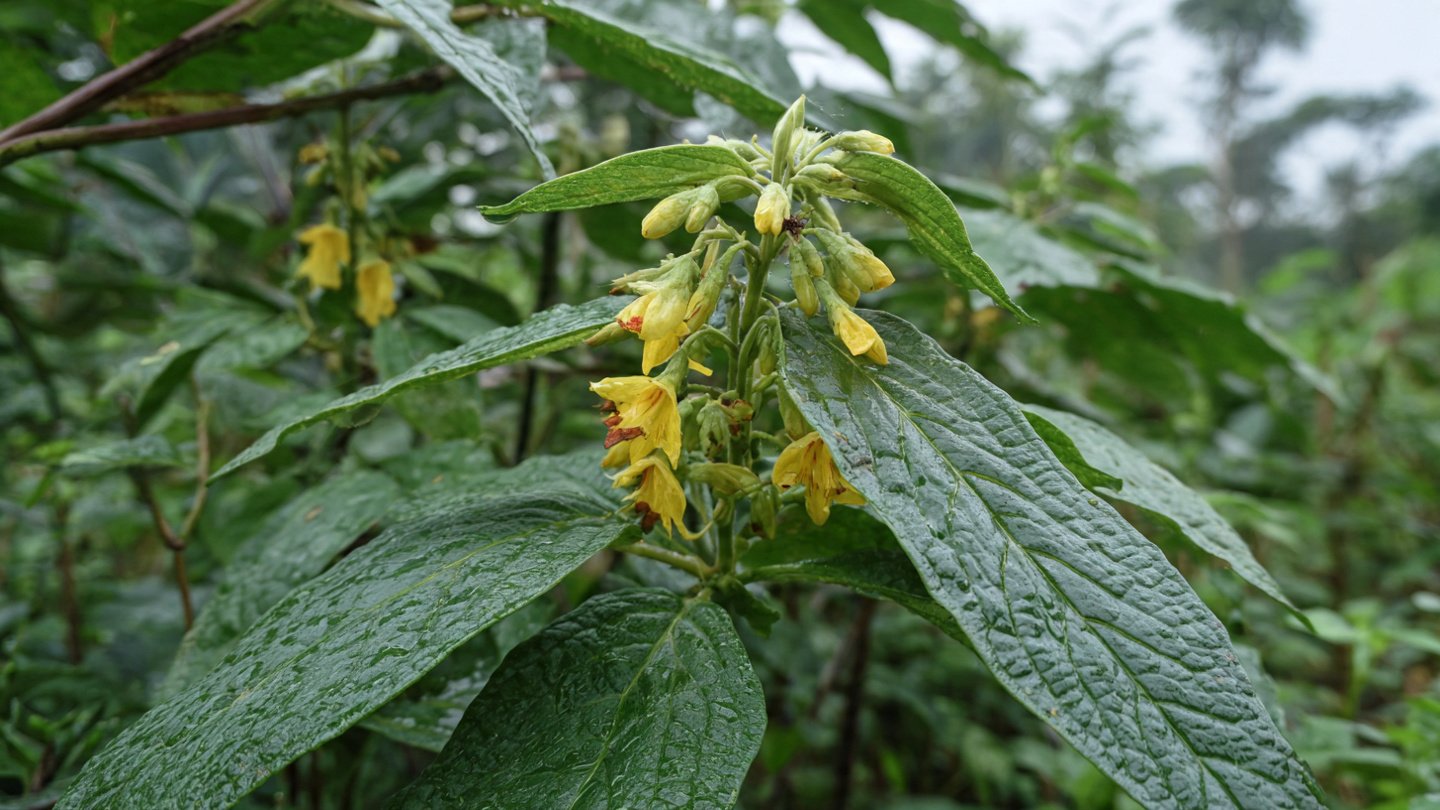

Balsam (Impatiens balsamina) is a vibrant flowering plant that adds color and life to gardens, especially during the monsoon season. Known for its beautiful blooms, balsam can thrive in the moist, humid conditions typical of rainy weather. This guide will equip you with everything you need to successfully grow balsam, from selecting the right variety to nurturing your plants through the stormy months.
Understanding Balsam
Before diving into the specifics of cultivation, it’s crucial to understand the plant itself. Balsam is an annual flower that is celebrated for its brightly colored blossoms, which can come in shades of pink, red, white, and purple. The plant can grow up to 24 inches tall and thrives in various soil types, although it prefers well-drained, fertile soil.
Why Grow Balsam During Monsoon?
- Moisture-Hungry: Balsam thrives in humid conditions, making the monsoon season an ideal time for its growth.
- Vibrant Blooms: The increased moisture levels can lead to more vibrant and abundant blooms.
- Pest Resistance: The rainfall can help reduce pest populations, leading to healthier plants.
Preparing to Grow Balsam
Choosing the Right Variety
While any variety of balsam will generally grow well during monsoon, consider the following popular types:
- Double Balsam: Known for its fully double flowers, this variety is perfect for adding a lush appearance to garden beds.
- Single Balsam: Features simple, open blooms that attract butterflies and pollinators.
- Dwarf Balsam: Ideal for container gardening and smaller spaces, this variety blooms profusely despite its size.
Soil Preparation
- Soil Type: Choose well-drained, loamy soil enriched with organic matter. You can amend clayey soils with compost or peat moss for better drainage.
- pH Levels: Aim for a pH level between 6.0 and 7.0. You can test your soil with a home testing kit.
- Nutrient Content: Incorporate slow-release fertilizers rich in nitrogen and potassium to support growth.
Sowing Seeds
You can start balsam seeds either indoors or directly in the garden:
-
Indoors: Start seeds 6-8 weeks before the monsoon season. Use seed trays filled with seed-starting mix. After germination, transplant seedlings into larger pots.
-
Outdoors: Sow seeds directly in the garden after the last frost. Make shallow rows and lightly cover the seeds with soil.
Timing
The ideal time to sow balsam seeds is two weeks before the monsoon season begins, allowing them to establish roots. This timing is crucial because young plants can be more resilient to the heavy rains.
Caring for Balsam During Monsoon Season
Watering
While balsam prefers moist soil, it’s essential to ensure that the plants do not become waterlogged. Follow these guidelines:
- Check Soil Moisture: Insert your finger into the soil. If it feels damp, skip watering for the day.
- Early Morning Watering: If you need to water, do it early in the morning to prevent fungal diseases.
Fertilization
Even though the monsoon brings natural nutrients, a little extra feeding can go a long way:
- Use Balanced Fertilizers: After a month of growth, apply a balanced fertilizer every 4-6 weeks.
- Organic Options: Consider using compost tea or fish emulsion for a mild, organic nutrient boost.
Pruning
Regular pruning will encourage bushier growth and more blooms:
- Pinch Off the Tops: Once the plants reach about 6 inches in height, pinch off the tops to promote branching.
- Remove Dead Flowers: Regularly deadhead faded flowers to maintain the plant’s appearance and encourage new blooms.
Pest and Disease Management
The monsoon season can increase pest issues and diseases:
- Common Pests: Keep an eye out for aphids and spider mites. Use neem oil or insecticidal soap to manage infestations.
- Fungal Diseases: Prevent diseases like powdery mildew by ensuring good air circulation around plants and avoiding overhead watering.
Mulching
Applying a layer of organic mulch can help:
- Soil Retention: Mulch retains moisture and helps prevent soil erosion during heavy rains.
- Weed Control: It naturally suppresses weed growth, allowing your balsam to thrive uninhibited.
Harvesting Balsam Seeds
As the monsoon season winds down, you might want to collect seeds for future planting:
- Seed Pods: Wait until the seed pods turn brown and dry before harvesting.
- Drying: Allow any harvested pods to dry for a few days before storing them in a paper envelope.
Integrating Balsam Into Your Garden Design
Balsam plants can be used in various garden setups:
- Borders: Use balsam as a border plant along walkways for a pop of color.
- Containers: Dwarf varieties are perfect for pots on balconies or patios.
- Mixed Beds: Combine balsam with other flowers like marigolds and zinnias to create a vibrant tapestry.
FAQs: Growing Balsam During Monsoon
1. Can balsam tolerate heavy rain?
Yes, balsam thrives in humid conditions but avoid waterlogging. Ensure good drainage.
2. How often should I water balsam during the monsoon?
Monitor soil moisture. Water only if the top inch of soil feels dry to avoid overwatering.
3. What is the best way to prune balsam?
Pinch back the tips of the plant after it reaches 6 inches in height to encourage bushy growth.
4. How do I prevent fungal diseases?
Ensure good air circulation, avoid overhead watering, and use fungicide if necessary.
5. Can I grow balsam in containers?
Yes! Dwarf varieties are particularly well-suited for container gardening.
6. What pests should I watch for?
Common pests include aphids and spider mites. Neem oil can help manage these issues.
7. When should I start harvesting seeds?
Wait until the seed pods are brown and dry before collecting seeds for next season.
8. Can I grow balsam along highway edges?
Balsam can be grown in various environments, but ensure it is not alongside heavily trafficked roads due to pollution.
Conclusion
Growing balsam during the monsoon season is a rewarding endeavor that can beautify your garden with its colorful blooms. By following this guide, you’ll be well-equipped to nurture your balsam plants through the challenges of the rainy months. With the right preparation, care, and diligence, you’ll enjoy a vibrant display of flowers that will thrive in the unique conditions of the monsoon. Happy gardening!