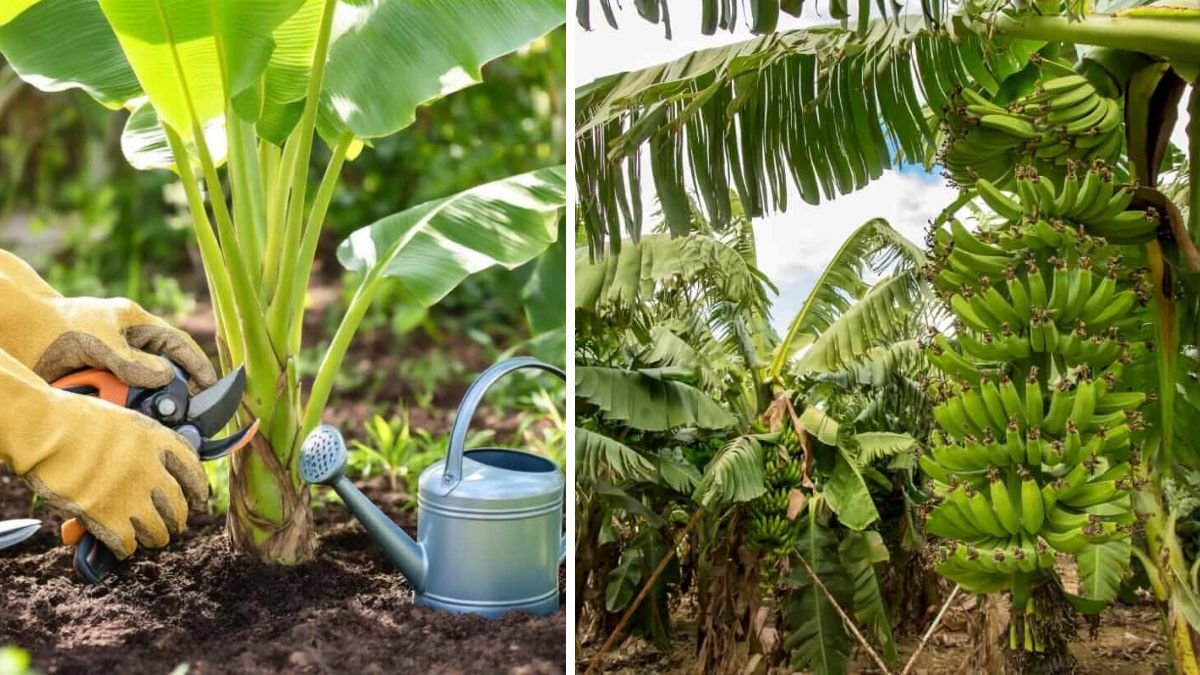

Ornamental bananas (Musa spp.) are not just plants—they’re living sculptures that can elevate the aesthetics of any garden. With their dramatic foliage, unique shapes, and vibrant colors, ornamental banana plants can transform an ordinary space into a tropical paradise. This guide will walk you through the steps to successfully cultivate these stunning clumps in your garden, from site preparation to maintenance and troubleshooting.
1. Understanding Ornamental Bananas
1.1 What Are Ornamental Bananas?
Ornamental bananas are primarily grown for their foliage and striking appearance. Unlike conventional banana plants that focus on fruit production, these varieties are bred for their lush leaves, height, and overall garden impact. Popular types include Musa basjoo (Japanese banana), Musa acuminata (Dwarf Cavendish), and Musa sikkimensis (Darjeeling banana).
1.2 Climate and Hardiness Zones
Ornamental bananas thrive best in USDA hardiness zones 8 through 11. They require warm temperatures, ideally between 70°F and 90°F. If you live in a cooler climate, consider planting them in pots so you can move them indoors during colder months.
2. Choosing the Right Variety
Selecting the best variety for your garden is crucial. Some popular ornamental varieties include:
- Musa basjoo: Tolerates colder temperatures and can reach 10-15 feet in height.
- Musa acuminata ‘Dwarf Cavendish’: Smaller variety that can grow up to 4-6 feet; good for limited spaces.
- Musa sikkimensis: Features striking foliage and can reach heights of up to 20 feet.
Consider factors such as growth habit, leaf color, and plant height when making your selection.
3. Site Preparation
3.1 Selecting the Right Location
Choose a location that receives full sun (at least 6-8 hours of direct sunlight daily). Although ornamental bananas can tolerate some shade, too much can hinder their growth and vibrancy.
3.2 Soil Requirements
Ornamental bananas prefer well-draining soil rich in organic matter. Aim for a pH between 5.5 and 7.0. If your soil is heavy clay or sandy, amend it with compost or peat moss to improve drainage and nutrient availability.
3.3 Space Requirements
Plant ornamental bananas in clusters to create a lush, tropical appearance. Space the plants about 3-6 feet apart, depending on the variety’s mature size.
4. Planting Your Ornamental Bananas
4.1 When to Plant
The best time to plant ornamental bananas is in the spring after the last frost. This allows the plants to establish roots and grow throughout the warmer months.
4.2 Steps to Planting
- Dig the Holes: Make holes that are twice the width of the root ball and slightly deeper than the root ball itself.
- Prepare the Roots: If the plant is root-bound, gently loosen the roots and trim any excessively long ones.
- Place the Plant: Position the plant in the hole so that the top of the root ball is level with the surrounding soil.
- Backfill and Water: Fill in with soil, gently pressing it down, then water thoroughly to eliminate air pockets.
4.3 Mulching
Apply a layer of organic mulch, such as wood chips or straw, around the base of the plants. This helps retain moisture, suppress weeds, and maintain a consistent soil temperature.
5. Watering and Fertilization
5.1 Watering Needs
Ornamental bananas love moisture but dislike waterlogged roots. Water regularly, especially during dry spells, ensuring that the top inch of soil stays moist but not soggy. A good rule of thumb is to water when the top 2-3 inches of soil feels dry.
5.2 Fertilization
Feed your ornamental bananas with a balanced, slow-release fertilizer high in potassium and phosphorus. Fertilize every 6-8 weeks during the growing season. Liquid fertilizers can also be effective; dilute to half strength and apply once a month.
6. Maintenance Tips
6.1 Pruning
Regular pruning is essential to maintain the health and appearance of your banana plants. Remove dead or damaged leaves growing from the base, and trim any suckers (young shoots) that emerge at the base of the plant. However, leaving some suckers can encourage a fuller clump.
6.2 Pest Management
Ornamental bananas can attract pests like aphids, spider mites, and mealybugs. Monitor your plants regularly and use insecticidal soap or neem oil if you notice signs of infestation. Additionally, encourage beneficial insects like ladybugs that prey on common garden pests.
6.3 Protecting Against Cold
If you live in a cooler climate, consider mulching around the base in late fall to insulate the roots. You can also wrap the plants with burlap if temperatures are expected to drop significantly.
7. Troubleshooting Common Issues
7.1 Yellowing Leaves
This can indicate overwatering or nutrient deficiency. Check the moisture level of the soil and adjust watering habits. If nutrient deficiency is suspected, apply fertilizer as needed.
7.2 Browning Leaf Edges
Browning can result from underwatering or inconsistent watering practices. Ensure your plants have consistent moisture, especially during hot weather.
7.3 Wilting
Wilting generally occurs due to dry soil or root stress. Ensure regular watering and check for any signs of root rot if the problem persists.
8. Harvesting and Using Ornamental Bananas
Although ornamental bananas are mainly grown for their aesthetic appeal, some varieties can produce edible fruit. If your variety produces bananas, allow them to ripen on the plant for optimal flavor. The fruit can be harvested for consumption once it turns yellow, though keep in mind that not all ornamental bananas will produce fruit.
9. Companion Planting
Ornamental bananas pair well with other tropical plants like hibiscus, palms, and colocasia (elephant ears). Their bold foliage creates a luxurious backdrop, enhancing the beauty of your garden.
10. FAQs
Q1: Can ornamental bananas survive winter?
A1: Many ornamental bananas are not frost-tolerant. If you live in a cooler climate, consider bringing potted plants indoors during winter or mulching heavily around the base of the plants.
Q2: How quickly do ornamental bananas grow?
A2: Growth rates can vary by variety, but most ornamental bananas can grow several feet in a single season under optimal conditions.
Q3: How do I know if my banana plants are root-bound?
A3: If water is not absorbing well or the plant becomes stunted in growth, it may be root-bound. Inspect the roots by gently removing the plant from its pot and checking for circling roots.
Q4: Are ornamental bananas invasive?
A4: While ornamental bananas can spread via their underground rhizomes, they are generally not considered invasive compared to other species. Monitoring their growth and pruning suckers will help control their spread.
Q5: Can I grow ornamental bananas indoors?
A5: Yes, ornamental bananas can be grown indoors as long as they receive ample sunlight and are given enough space to grow. Indoor plants may need more frequent watering and humidity to thrive.
Conclusion
Cultivating ornamental banana clumps can elevate your garden, providing unique appeal and lush greenery. By following the guidelines outlined in this guide, you are well on your way to creating a tropical oasis that will be the envy of everyone. Dive into the adventure of growing these vibrant plants, and enjoy the beauty and serenity they bring to your outdoor space!