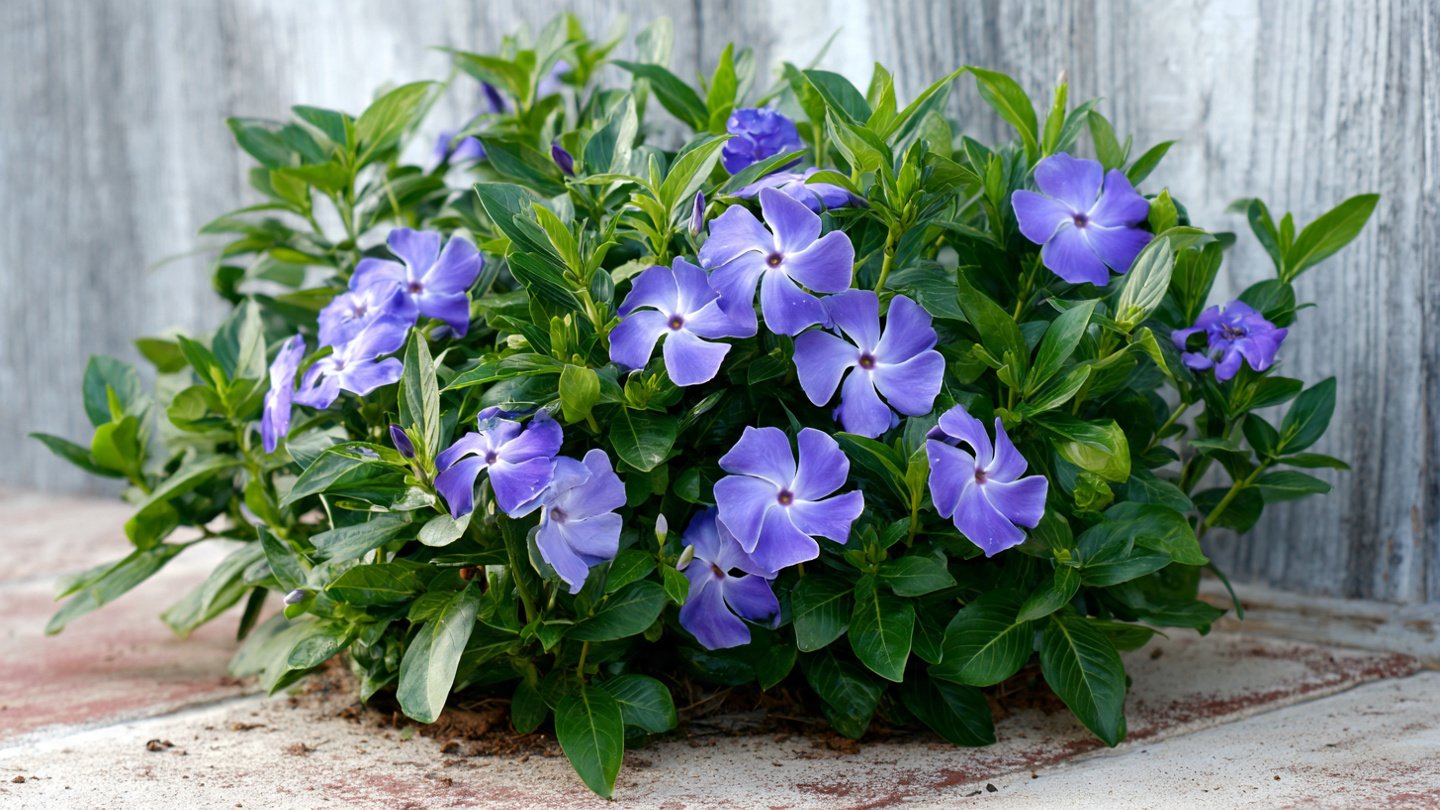

Growing vinca (Catharanthus roseus), also known as periwinkle, can be a rewarding endeavor, especially during the sultry summer months when its vibrant flowers bring life and color to gardens. Known for their hardiness and resilience, vincas thrive even in high temperatures, making them ideal for summer gardens. This comprehensive guide will cover everything you need to successfully grow vinca during the hotter months, from soil preparation to pest management, and we’ll finish with a FAQs section to address common concerns.
1. Understanding Vinca
Vinca is a perennial flowering plant popular for its attractive blooms and glossy leaves. Native to Madagascar, this flower is extremely tolerant of heat and drought, making it an ideal choice for warmer climates. Vinca comes in various colors, including pink, white, and purple, and can be used in borders, ground cover, or container gardens.
1.1 Varieties of Vinca
There are two main varieties of vinca:
- Vinca Minor: Often referred to as ground cover, it has smaller flowers and is more prone to spreading.
- Vinca Major: This variety features larger leaves and flowers, ideal for borders and containers.
While both types can flourish in high temperatures, Vinca Major tends to be more popular for ornamental gardens due to its more impressive blooms.
2. Preparing the Soil
2.1 Soil Type
Vinca thrives in well-draining soil with a pH between 6.0 and 7.0. The addition of organic matter, such as compost, can help improve soil texture and fertility, which is essential for the plant’s growth, particularly during the hot summer months.
2.2 Soil Drainage
Good drainage is essential, as vincas are susceptible to root rot in waterlogged soil. To ensure proper drainage:
- If planting in the ground, amend heavy clay soil with sand or perlite to enhance drainage.
- When planting in containers, ensure the pots have sufficient drainage holes and consider using a potting mix designed for flowering plants.
3. Planting Vinca
3.1 When to Plant
While vinca can be planted in spring, it is best to transplant them outdoors after the last frost date. In warmer climates, planting can occur as early as late winter, but be cautious to protect young plants from unexpected temperature dips.
3.2 Spacing
Space the plants about 12-18 inches apart to allow for their mature width and to promote air circulation, which is vital in hot weather. Crowded plants can lead to increased humidity around their foliage, making them more susceptible to diseases.
3.3 Watering Techniques
After planting, give your vincas a thorough watering. For established plants, consider using a deep watering technique once a week. During extreme heat, increase watering frequency, but ensure the soil is able to drain well.
4. Caring for Vinca in High Temperatures
4.1 Watering Schedule
Water your vincas early in the morning or late in the evening to minimize evaporation. In high summer temperatures, vincas may benefit from a twice-weekly watering schedule, depending on your local conditions.
4.2 Fertilization
A balanced, slow-release fertilizer applied every 4-6 weeks during the growing season will promote healthy growth and blooming. Look for a fertilizer high in phosphorus to encourage flowering.
4.3 Mulching
Applying a layer of organic mulch (like shredded bark or straw) around the base of your plants can help retain soil moisture, regulate temperature, and suppress weed growth. However, avoid applying mulch directly against the plant stem to prevent rot.
5. Pest and Disease Management
5.1 Common Pests
While vincas are relatively pest-resistant, they can still encounter some issues:
- Aphids: Usually found on new growth, these small pests can be removed with a strong spray of water or by using insecticidal soap.
- Spider Mites: In hot, dry conditions, spider mites can become a problem. Keeping vincas well-watered and properly spaced can help prevent infestations.
5.2 Preventing Diseases
Vinca is susceptible to several diseases, particularly in humid conditions:
- Root Rot: Ensure good drainage and avoid overwatering.
- Powdery Mildew: This fungus thrives in high humidity. Promote air circulation and avoid overhead watering.
6. Pruning and Deadheading
Pruning and deadheading your vincas encourage continuous blooming and overall plant health.
- Deadheading: Regularly removing spent flowers encourages the plant to produce new blooms. Pinch off blooms after they fade with your fingers or use pruning shears.
- Pruning: If your plants become leggy, trim back the stems to encourage bushier growth. This is best done early in the growing season.
7. Container Growing
If you’re short on garden space or want to add color to your patio or balcony, growing vincas in containers can be a great option.
7.1 Choosing the Right Container
Select a pot with drainage holes and a size that will accommodate the mature plant. Ensure the container is made of a breathable material (like terracotta) to help with temperature regulation.
7.2 Caring for Container Plants
Container plants often dry out faster, so monitor the soil moisture closely. Use a potting mix that holds moisture while still allowing for drainage. Regular fertilization is key to support blooms since nutrients can leach out more quickly in containers.
8. Companions for Vinca
8.1 Ideal Companion Plants
Vinca pairs beautifully with:
- Petunias: Their vibrant colors complement vincas and thrive in similar conditions.
- Marigolds: Hardy and drought-tolerant, they also deter pests.
- Salvia: Their upright growth form contrasts beautifully with the lower-growing vincas and attracts pollinators.
9. Seasonal Care Checklist
To simplify the care of your vincas, here’s a quick seasonal checklist:
Spring
- Prepare soil and plant vincas after the last frost.
- Apply a slow-release fertilizer.
Summer
- Maintain a consistent watering schedule.
- Apply mulch to retain moisture.
- Deadhead spent blooms regularly.
Fall
- If you live in a region with frost, consider bringing container plants indoors or treating them as annuals.
FAQs
1. How often should I water my vincas in high summer temperatures?
In high summer, deepen your watering frequency to once or twice a week, ensuring the soil remains consistently moist.
2. Can vincas survive extreme heat?
Yes, vincas are heat-tolerant and thrive in extreme temperatures when properly cared for.
3. What’s the best way to prevent pests on my vinca plants?
Regularly inspect your plants for signs of pests, maintain good air circulation, and consider using insecticidal soap when needed.
4. Should I fertilize my vincas in containers differently from those planted in the garden?
Yes, container vincas need more frequent fertilization, as nutrients leach out more quickly. Opt for a balanced fertilizer every 4-6 weeks.
5. What should I do if my vincas get leggy?
Pinching back leggy stems encourages bushier growth. This helps the plant focus energy on producing new blooms rather than extending its length.
6. Can I grow vinca in partial shade?
While vincas prefer full sun, they can tolerate partial shade but may produce fewer blooms.
7. Are vincas toxic to pets?
Yes, vincas are toxic to pets if ingested. Keep them out of reach of curious animals.
Conclusion
Vinca is an exceptional choice for gardeners looking to add color and beauty to their landscapes in high summer temperatures. With proper care, including well-draining soil, consistent watering, and balanced fertilization, you can enjoy a stunning display of blooms all season long. Armed with this guide and the FAQs, you’re well-prepared to embark on your vinca-growing journey this summer!