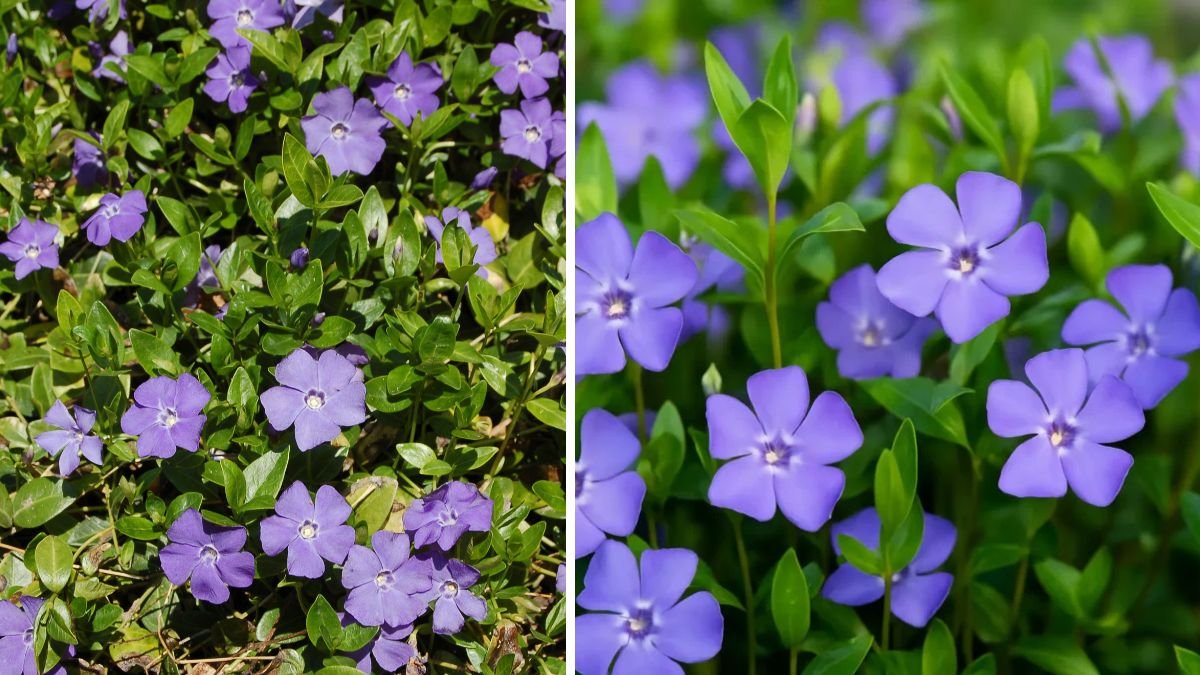

Periwinkle, also known as Vinca minor or creeping myrtle, is a hardy and versatile ground cover that adds both beauty and function to your garden. With its luscious, evergreen foliage and delightful purple or blue flowers, periwinkle is an excellent choice for those looking to create a vibrant outdoor space. In this comprehensive guide, we will explore the various aspects of growing periwinkle, including planting tips, care instructions, and common issues, alongside a FAQ section to address your queries.
Overview of Periwinkle
Periwinkle is a low-growing perennial that thrives in various conditions, making it an ideal ground cover for both sunny and shady areas. Its ability to spread rapidly through trailing stems makes it an effective solution for erosion control and weed suppression. The plant features glossy leaves and produces star-shaped flowers mainly in the spring, but it may bloom sporadically throughout the summer.
Types of Periwinkle
While Vinca minor is the most commonly cultivated variety, there are other forms worth considering:
- Vinca major: A larger species with broader leaves, ideal for zones 5-9.
- Variegated periwinkle: This cultivar features leaves with a creamy-white edge, adding a unique touch to garden aesthetics.
Choosing the Right Location
Periwinkle is adaptable but does best in the right environment. Here are the key factors to keep in mind when selecting a location for your periwinkle ground cover:
Light Requirements
Periwinkle is tolerant of both full sun and partial shade, thriving in areas that receive at least 3 to 4 hours of direct sunlight daily. In particularly hot regions, light shade may be beneficial, especially during the hottest part of the day.
Soil Conditions
The ideal soil for periwinkle is well-draining yet retains adequate moisture. It prefers slightly acidic to neutral pH levels (6.0 to 7.0). Loamy or sandy soils are preferable, but periwinkle can adapt to various soil types, including clay.
Space Considerations
Given its fast-growing nature, it’s essential to consider the surrounding plants. Space periwinkle about 12 to 18 inches apart to allow for adequate spreading while preventing overcrowding.
Planting Periwinkle
The best time to plant periwinkle is during early spring or fall. Follow these steps to ensure successful planting:
Prepare the Soil
- Clear the Area: Remove any weeds and grass from the planting area to reduce competition.
- Soil Amendments: If your soil is compacted or poor, consider adding compost to improve fertility and drainage.
Planting Process
- Dig Holes: Create holes that are twice as wide as the root ball of the plant and deep enough to accommodate the roots.
- Placement: Gently place the plants in the holes and cover them with soil, ensuring that the crown of the plant is level with the soil surface.
- Watering: Thoroughly water the freshly planted periwinkle to help settle the soil around the roots.
Care and Maintenance
While periwinkle is relatively low-maintenance, some care practices can promote healthy growth and vibrant blooms.
Watering
Maintaining consistent moisture is vital, especially during the first growing season. Water when the top inch of soil feels dry to the touch. Once established, periwinkle is drought-tolerant but will benefit from occasional watering during prolonged dry spells.
Fertilization
A balanced fertilizer can be applied in early spring to enhance growth and flowering. Follow package instructions for application rates, but generally, a slow-release fertilizer can be beneficial.
Pruning
Periwinkle can become invasive if left unchecked, so regular pruning is necessary. Trim back any overgrown or dead stems in early spring to encourage denser growth and maintain a neat appearance.
Controlling Spread
Periwinkle’s vigorous nature can also lead to unwanted spreading. To keep the plant in check:
- Edging: Use physical barriers, such as edging stones or borders, to contain growth.
- Regular Monitoring: Periodically check the perimeter of your periwinkle patch and remove any rogue plants that extend beyond the desired area.
Pests and Diseases
Although periwinkle is generally resilient, it may face issues such as:
Common Pests
- Aphids: These tiny pests can be managed using insecticidal soap or neem oil.
- Slugs and Snails: Hand-picking or using iron phosphate-based baits can help control these pests.
Diseases
- Root rot: Overwatering or poorly-drained soil can lead to root rot. Ensure that the soil drains well and that you avoid excessive watering.
Creating a Vibrant Garden with Periwinkle
Periwinkle can serve various purposes in your garden:
Erosion Control
Due to its dense root system and fast-spreading nature, periwinkle is an effective ground cover for slopes and areas prone to erosion.
Companion Planting
Plant periwinkle alongside other flowers and shrubs to add contrast and visual interest. Its purple and blue flowers pair beautifully with yellows, whites, and reds, enhancing your garden’s color palette.
Low-Maintenance Landscaping
Using periwinkle in low-maintenance areas can reduce the need for mowing, making it an economical and practical choice for home gardens.
Seasonal Interest
While its main flowering period is in spring, the evergreen foliage provides year-round interest and structure.
Conclusion
Growing periwinkle ground cover is an excellent choice for gardeners looking to enhance their outdoor spaces with minimal effort. Its adaptability to various light and soil conditions, along with its stunning visual appeal, makes it a top contender for any landscape design. By following the guidelines outlined in this guide, you can cultivate a vibrant periwinkle patch that will bring joy for years to come.
FAQs
1. How fast does periwinkle grow?
Periwinkle can spread rapidly, covering an area of about 1 foot per year under optimal conditions.
2. Can periwinkle tolerate drought?
Yes, once established, periwinkle is drought-tolerant and can survive dry spells, although it benefits from occasional watering.
3. Is periwinkle invasive?
Periwinkle may become invasive in some areas. Regular pruning and monitoring will help control its spread.
4. How do I care for periwinkle in winter?
Periwinkle is hardy in USDA zones 4-9. Mulching can protect the roots from extreme temperatures, but generally, the plant requires little additional care in winter.
5. Can I grow periwinkle in pots?
Yes, periwinkle can be successfully grown in pots with adequate drainage. Choose a container that allows for sufficient root growth.