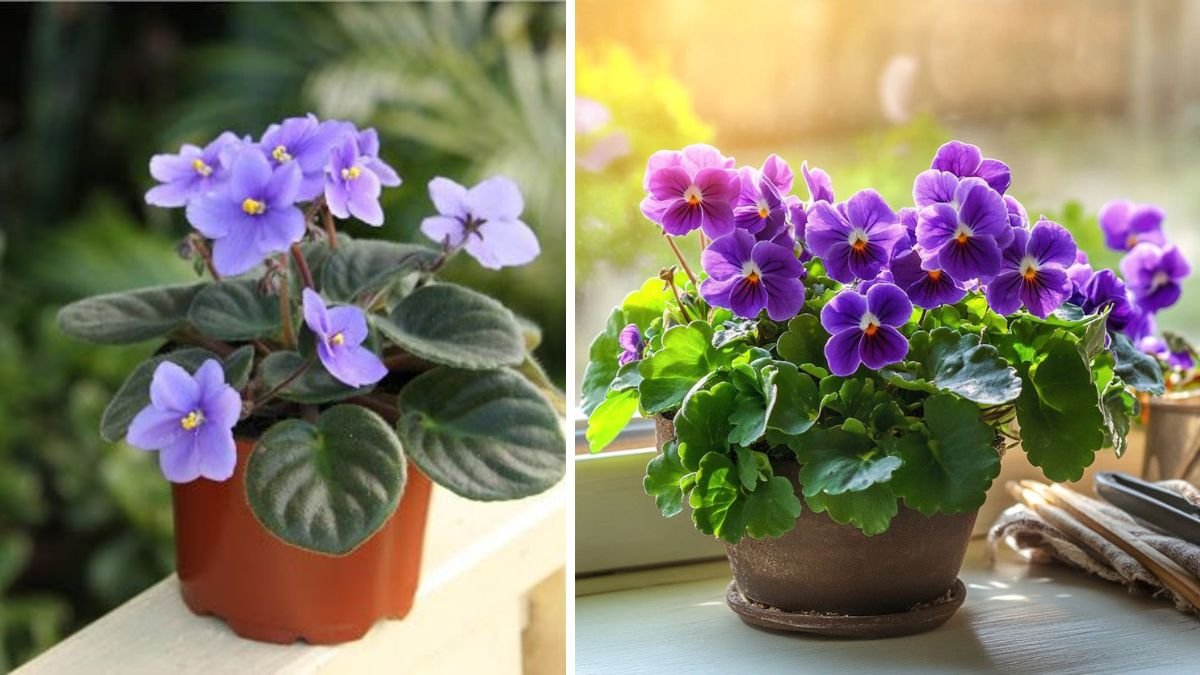

African violets (Saintpaulia) are among the most beloved houseplants for their stunning blooms, vibrant foliage, and relatively low maintenance needs. With a little knowledge about their care, you can enjoy these beautiful flowers year-round. This guide covers everything you need to know to grow African violets effortlessly.
1. Understanding African Violets
1.1 Botanical Background
Native to the tropical regions of East Africa, African violets were discovered in 1892 and have since become a favorite among houseplant enthusiasts. They belong to the Gesneriaceae family and are characterized by their soft leaves and delightful, trumpet-shaped flowers that come in various colors, including purple, blue, white, and pink.
1.2 Varieties of African Violets
There are over 20,000 registered varieties of African violets, each with unique characteristics. Varieties can differ in leaf shape, flower size, and color. Popular types include:
- Standard African Violets: The most common type, featuring full-sized flowers.
- Miniatures: Smaller plants with proportionally small flowers.
- Trailing African Violets: These have a cascading growth habit and are perfect for hanging baskets.
Understanding the different types can help you choose the right one for your space and preferences.
2. Essential Care Tips for African Violets
2.1 Lighting Conditions
African violets thrive in bright, indirect light. A south or east-facing window is ideal, as it provides them with the light needed without scorching their sensitive leaves. If natural light is limited:
- Use fluorescent grow lights for about 12-14 hours a day.
- Rotate your plants weekly to promote even growth.
2.2 Watering Practices
Watering is one of the most crucial aspects of African violet care. Here are some guidelines:
- Watering Frequency: Allow the top inch of the soil to dry out before watering. This typically means watering once a week, but monitor based on your environment.
- Water Type: Use room temperature distilled or rainwater to avoid mineral buildup.
- Water Method: Water from the bottom by placing the pot in a bowl of water for about 30 minutes. Remove and let excess water drain to prevent root rot.
2.3 Soil Requirements
African violets require well-draining soil. Opt for a commercial African violet mix or create your own by combining:
- 1 part potting soil
- 1 part peat moss
- 1 part perlite or vermiculite
This blend ensures proper aeration and drainage, which is vital for their health.
2.4 Fertilization
To promote flowering, use a balanced fertilizer every 4-6 weeks during the growing season (spring and summer). Look for a fertilizer specifically formulated for African violets or a balanced 10-10-10 or 20-20-20 solution. Dilute to half the recommended strength to avoid over-fertilization.
2.5 Temperature and Humidity
African violets prefer a stable temperature of 65°F to 75°F (18°C to 24°C). They can tolerate a slightly cooler night temperature but avoid exposing them to temperatures below 50°F (10°C).
Humidity is also essential. Aim for a humidity level of 40-60%. If your home is dry:
- Use a humidity tray filled with water and pebbles.
- Mist the leaves occasionally, but avoid getting water on the flowers to prevent fungal issues.
3. Repotting and Pot Selection
3.1 When to Repot
African violets typically need repotting every 6-12 months to refresh the soil and promote healthy growth. Signs that it’s time to repot include:
- Root-bound plants that show roots coming out of the drainage holes.
- Stunted growth despite adequate care.
- Soil that is compacted or depleted of nutrients.
3.2 Pot Selection
Select a pot that is 1-2 inches larger in diameter than the current one. Choose ceramic or plastic pots with drainage holes. Self-watering pots can also be beneficial for maintaining consistent moisture levels.
4. Propagation Techniques
4.1 Leaf Cuttings
One of the easiest ways to propagate African violets is through leaf cuttings. Here are the steps:
- Select a Healthy Leaf: Choose a firm, healthy leaf from the parent plant.
- Cut the Leaf: Use a clean, sharp knife to cut the leaf at a 45-degree angle approximately 2-3 inches from the base.
- Prepare the Cutting: Leave the cutting to callous for a few hours to prevent rot. Optionally, dip the cut end in rooting hormone.
- Plant the Cutting: Place the leaf in a pot with well-draining soil, burying about one inch of the cut end. Water lightly.
- Cover: Create a mini greenhouse effect by covering the pot with a plastic bag or dome until roots form, usually within 4-6 weeks.
- Transplant: Once roots have developed, transplant the new plant to a larger pot.
5. Common Pests and Diseases
5.1 Pests
African violets can be susceptible to pests like:
- Mealybugs: Identify by their white, cotton-like texture. Remove them with a cotton swab dipped in rubbing alcohol.
- Spider Mites: Look for fine webbing on plants. Increase humidity and use insecticidal soap if needed.
- Fungus Gnats: These small flies are often attracted to wet soil. Allow the top layer to dry out between waterings to control their population.
5.2 Diseases
Common diseases affecting African violets include:
- Root Rot: Often caused by overwatering; ensure proper drainage and adjust watering habits.
- Powdery Mildew: White, powdery spots on leaves indicate fungal issues; improve air circulation and apply fungicide if necessary.
6. Troubleshooting Common Issues
6.1 Leaves Turning Yellow
Yellowing leaves could indicate:
- Overwatering: Allow the soil to dry out.
- Nutrient Deficiency: Fertilize appropriately.
6.2 Stunted Growth
If your plant isn’t growing well:
- Check the light conditions: It may need more indirect sunlight.
- Ensure proper pot size: Repot if root-bound.
6.3 Lack of Blooms
If your African violet is not flowering:
- Check light levels: Insufficient light can hinder blooming.
- Review fertilizer usage: Proper fertilization promotes blooms.
7. Frequently Asked Questions (FAQs)
Q1: How often should I water my African violet?
Generally, water African violets once a week, allowing the top inch of soil to dry out before watering again.
Q2: Can African violets thrive in low-light conditions?
They prefer bright, indirect light, but if you have limited light, consider using fluorescent grow lights for 12-14 hours daily.
Q3: Is it necessary to use a special fertilizer for African violets?
While not mandatory, using a fertilizer designed for African violets or a balanced fertilizer promotes blooming and growth more effectively.
Q4: How do I know when to repot my African violet?
Repot when the plant becomes root-bound, shows stunted growth, or when the soil is depleted of nutrients—usually every 6-12 months.
Q5: Can I propagate African violets from cuttings?
Yes, leaf cuttings are a popular method for propagation and can result in new plants if done correctly.
Q6: What should I do if my African violet gets pests?
Treat infestations promptly with insecticidal soap, neem oil, or rubbing alcohol on cotton swabs, depending on the pest type.
Q7: Why are my leaves wilting?
Wilting can indicate either underwatering or overwatering. Check soil moisture levels before adjusting your watering schedule.
Q8: Do African violets require high humidity?
A humidity level of 40-60% is ideal. In drier environments, consider using a humidity tray or misting the leaves occasionally.
Conclusion
By following these care guidelines, you can enjoy the beauty of African violets in your home throughout the year. With proper lighting, watering, soil, and attention to pests and diseases, your African violets will reward you with vibrant blooms and lush foliage. Happy gardening!