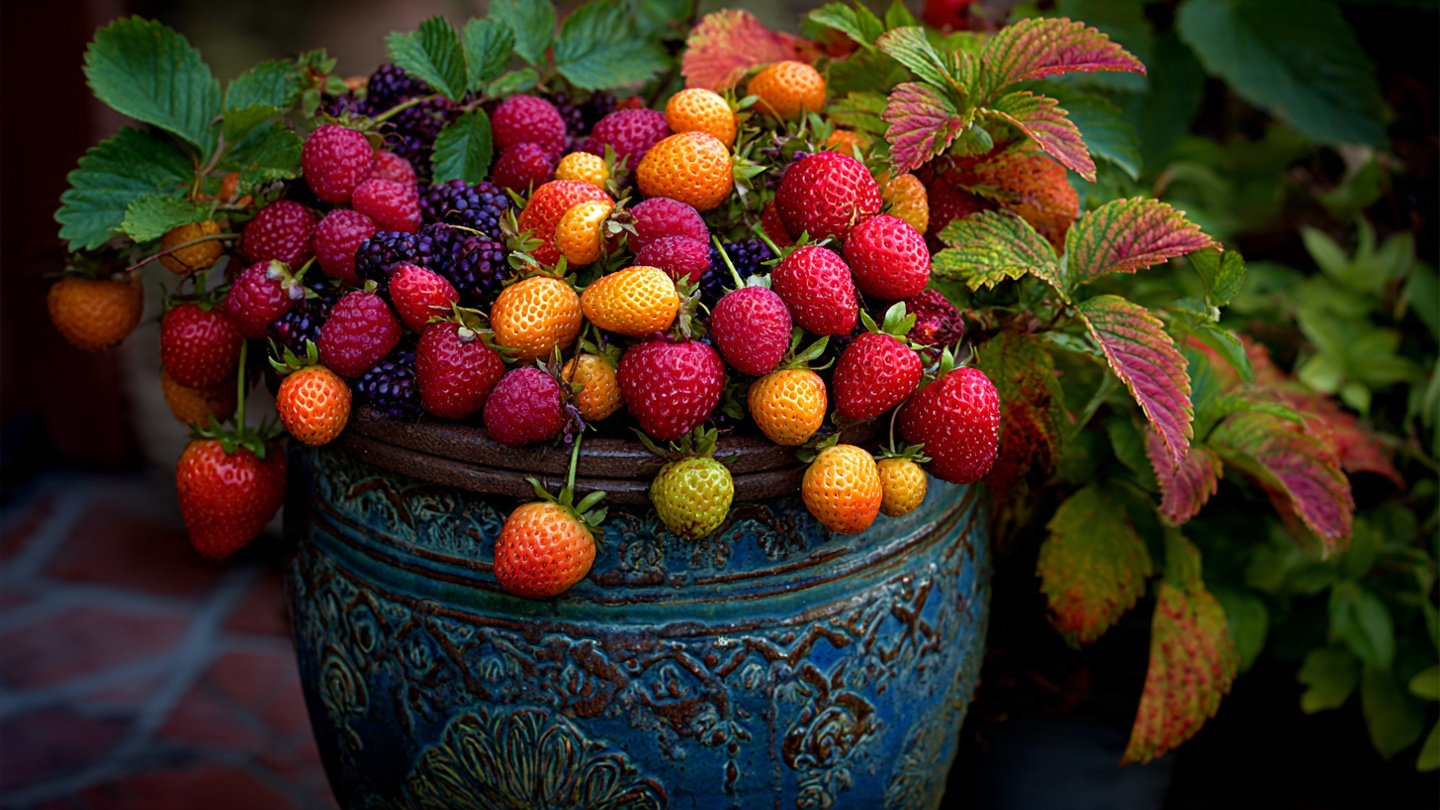

Creating a mixed berry container garden is not only a delightful way to grow delicious fruit but also an aesthetically pleasing addition to your patio, balcony, or backyard. Berries, such as strawberries, blueberries, raspberries, and blackberries, are not only tasty but also packed with vitamins, antioxidants, and fiber. In this ultimate guide, we’ll take you through the step-by-step process of creating a vibrant mixed berry container garden, from choosing the right containers to maintenance tips and troubleshooting common problems.
Benefits of a Mixed Berry Container Garden
-
Space Efficiency: Container gardens are perfect for those with limited space. They can fit on a balcony, patio, or even a sunny windowsill.
-
Versatile Design: You can create various arrangements and designs, adding a burst of color and vibrancy to your outdoor or indoor space.
-
Easier Maintenance: Growing berries in containers can help manage soil quality and pest issues more effectively than traditional garden beds.
-
Fresh Produce: Enjoy the satisfaction and deliciousness of handpicking fresh berries right from your plants.
-
Accessibility: For individuals with mobility issues, raised containers can make gardening more accessible.
Choosing the Right Containers
1. Size
When selecting containers, the size matters. Most berries require at least 12 to 18 inches of depth. Larger containers can support multiple plants and provide enough space for root growth.
2. Material
Containers come in various materials, including plastic, ceramic, wood, and metal. Consider the following:
- Plastic: Lightweight and easy to move, but can retain heat.
- Ceramic: Attractive, but heavy and may be prone to cracking in cold weather.
- Wood: Great for insulation and drainage, but ensure it’s untreated to avoid chemical leaching.
- Metal: Looks stylish but can heat up quickly; ensure proper drainage.
3. Drainage
Proper drainage is critical for the health of your berry plants. Look for containers with drainage holes or consider drilling some if necessary.
Selecting Plants for Your Mixed Berry Garden
1. Strawberries
- Varieties: Choose from June-bearing, everbearing, or day-neutral varieties.
- Light Requirements: Require full sun (6-8 hours daily).
- Container Size: A minimum of 12 inches deep.
2. Blueberries
- Varieties: Consider Northblue, Patriot, or Vaccinium corymbosum.
- Soil Preference: Require acidic soil (pH 4.5 to 5.5).
- Container Size: At least 16-18 inches deep.
3. Raspberries
- Varieties: Look for dwarf or bush varieties like Raspberry Shortcake.
- Support Needs: They may require trellising for support.
- Container Size: 18-24 inches deep.
4. Blackberries
- Varieties: Consider thornless types, which are easier to manage.
- Space Needs: Like raspberries, they may need trellising.
- Container Size: Best in containers at least 18 inches deep.
Planting Your Mixed Berry Container Garden
1. Preparing the Soil
- Quality Mix: Use a high-quality potting mix designed for container gardening. This ensures good drainage while retaining moisture.
- pH Levels: For blueberries, consider mixing in peat moss or elemental sulfur to acidify the soil.
2. Planting Technique
- Layering: If you’re planting multiple varieties in one container, place the taller plants (like raspberries) in the center and shorter ones (like strawberries) at the edges.
- Spacing: Ensure plants are adequately spaced to allow for air circulation. This will help prevent diseases.
3. Watering
- Initial Watering: After planting, water generously until water drains from the bottom.
- Routine Watering: Maintain consistent soil moisture, checking daily during hot weather. Containers can dry out faster than garden beds.
Care and Maintenance
1. Fertilization
- Essential Nutrients: Use a slow-release fertilizer specifically for berries, or organic options like fish emulsion or compost tea.
- Timing: Fertilize in early spring before the growth season starts and again in mid-summer.
2. Pruning
- Regular Trimming: Remove dead or damaged leaves and stems. For raspberries and blackberries, prune old canes after harvesting to encourage new growth.
- Encouraging Production: For strawberries, remove runners to promote fruit production in the parent plant.
3. Pest and Disease Management
- Common Pests: Watch for aphids, spider mites, and slugs. Use neem oil or insecticidal soap as treatments.
- Disease Prevention: Ensure good air circulation, avoid overhead watering, and remove any diseased plants to minimize spread.
Harvesting Your Berries
The timing of your harvest depends on the variety:
- Strawberries: Pick when they are fully red and slightly soft.
- Blueberries: Look for a deep blue hue; they should come off the plant easily when ripe.
- Raspberries and Blackberries: Harvest when fully colored and slightly firm.
Always pick berries promptly to encourage further production.
Seasonal Considerations
1. Winter Care
- Protection: In colder climates, protect containers by wrapping them in burlap or moving them to a sheltered area.
- Mulching: Add a layer of mulch to insulate the roots.
2. Summer Care
- Watering: Increase watering frequency during heat waves, as containers dry out rapidly.
- Sun Protection: Consider providing afternoon shade if necessary, especially for blueberries.
FAQs
1. Can I grow berries in a small container?
Yes! Many berries can thrive in smaller containers, especially if you choose dwarf varieties. Just ensure there’s enough room for root growth.
2. How often should I water my mixed berry container garden?
Check daily, particularly during hot weather. The soil should remain consistently moist but not soggy.
3. What is the best time of year to plant berries?
Spring is generally the best time, as it allows plants to establish themselves before the hot summer months.
4. Do berries need full sun?
Most berries thrive in full sun, requiring at least 6-8 hours of sunlight per day for optimal growth and fruit production.
5. Can I use regular garden soil for container gardening?
It’s best to use potting mix designed for containers, as it provides better drainage, aeration, and moisture retention than regular garden soil.
6. How do I prevent pests in my container garden?
Encourage beneficial insects, practice crop rotation, and use organic pesticides as needed. Regularly inspect your plants for signs of pests.
7. How long will it take for my berry plants to produce fruit?
Typically, you can expect fruit within the first year for strawberries and blueberries. Raspberries and blackberries may take a year or two to establish before heavy fruiting.
8. Can I plant different types of berries in one container?
While it’s possible, it’s generally best to plant one type of berry per container for optimal growth and health. Each variety has specific needs in terms of sunlight, water, and nutrient levels.
Conclusion
Creating a vibrant mixed berry container garden is a rewarding endeavor that offers beautiful aesthetics and delicious, home-grown fruits. By understanding the needs of each plant, selecting the right containers, and providing proper care, you can enjoy the fruits of your labor throughout the growing season. Whether you are a gardening novice or a seasoned pro, this guide will help you craft an exceptional container garden bursting with flavors and colors. Happy gardening!