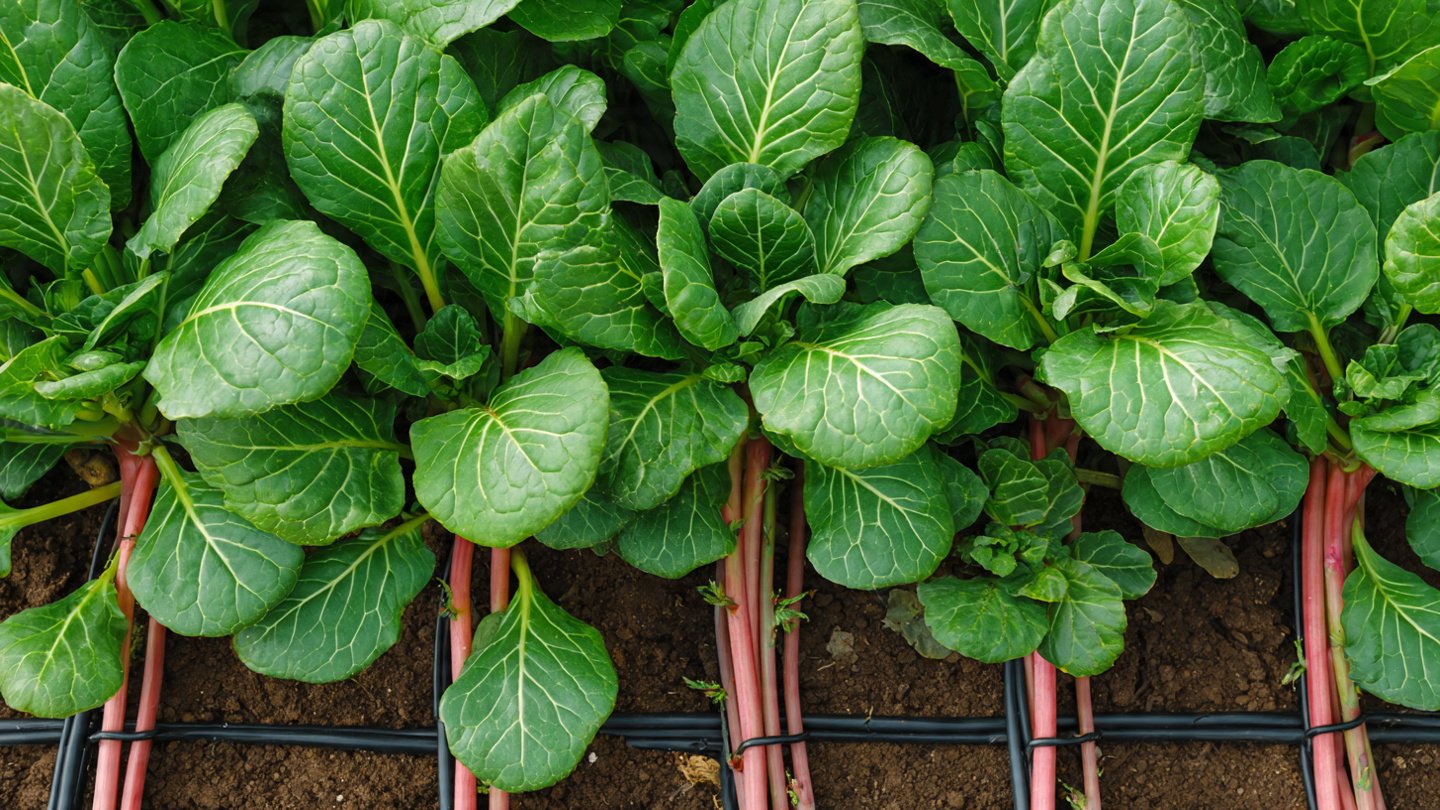

Gardening provides a beautiful opportunity to engage with nature and cultivate fresh produce. However, many gardeners, whether novice or experienced, often face challenges that inhibit their plants’ growth. One of the most common yet overlooked issues is improper pruning methods. While pruning can invigorate a vegetable plant, a significant pruning mistake can lead to stunted growth and reduced yields.
Understanding Pruning and Its Importance
Pruning is the process of trimming and cutting plants to remove dead, diseased, or overgrown branches and leaves to promote healthy growth. In the case of vegetables, pruning can help to increase air circulation, allow more sunlight to reach the plants, and improve overall health. However, an incorrect approach can have the opposite effect.
The primary goal of pruning is to maintain the plant’s shape and size while boosting its potential for growth. Proper pruning encourages a bushier growth habit in certain vegetables, like tomatoes and peppers, while allowing others, such as cucumbers and beans, to optimize their vine growth.
The Common Pruning Error
The most damaging pruning mistake is often linked to timing and technique. Many gardeners cut back their vegetable plants too early or too aggressively, leading to several negative outcomes:
- Shock: Cutting too much foliage can shock the plant, leading to reduced growth or, in some cases, plant death.
- Weak Growth: Over-pruning can result in weak, leggy plants that fail to produce a significant yield.
- Increased Disease Risk: Wounds from overzealous pruning can become entry points for pathogens, ultimately harming the plant’s vitality.
- Inadequate Fruit Development: In some cases, excessive removal of leaves can restrict the plant’s ability to photosynthesize effectively, leading to smaller or fewer fruits.
Timing: When to Prune
One critical aspect of effective pruning is timing. Each vegetable has distinct growth cycles, and understanding these cycles will help prevent premature cuts.
For example, many fruiting vegetables like tomatoes should be pruned during their early growth stages, and subsequent trims should ideally occur just prior to the flowering phase. Pruning between flowering and fruit set can lead to a decrease in overall yield.
On the other hand, leafy crops such as lettuce and spinach may benefit from a ‘cut and come again’ approach—this means harvesting outer leaves while allowing the inner leaves to continue growing. If too many outer leaves are removed at once or too early in their life cycle, the plants can become stunted.
Technique: How to Prune Wisely
Pruning techniques vary based on plant type, but some general guidelines can be applied:
- Use Clean, Sharp Tools: Always use clean, sharp pruning shears to minimize damage and prevent the spread of disease. Cleaning the tools with alcohol between cuts can be particularly beneficial.
- Cut at the Right Location: Always make cuts at a node (the junction where leaves meet the stem) rather than leaving stubs. This encourages the plant to send energy towards healthy growth.
- Avoid Over-Pruning: It’s natural to want to improve your plants, but restraint is vital. Remove only what is necessary for healthy growth.
- Observe Before Cutting: Spend time observing your plants before deciding to prune. Look for disease, yellowing leaves, or overcrowded branches to determine the best course of action.
Signs of Stunted Growth
Understanding the signs of stunted growth can help gardeners make timely adjustments. Look for the following indicators:
- Yellow Leaves: This often signifies stress, due to either over-pruning or nutrient deficiencies.
- Wilting: If plants are wilting despite proper watering, they might be struggling with root development or foliage loss.
- Small Fruit/Vegetables: Abnormally small fruits may indicate insufficient leaf mass for photosynthesis, often a result of over-pruning.
Tips for Thriving Vegetable Plants
Besides proper pruning techniques, several other best practices can ensure healthy vegetable growth:
- Regular Monitoring: Check your plants regularly for signs of disease and pest damage.
- Proper Watering: Ensure you’re watering plants according to their needs—over-watering and under-watering can both negatively impact growth.
- Soil Health: Fertile soil with adequate nutrients is essential. Consider adding compost to improve organic matter and nutrients.
- Companion Planting: Some plants thrive when grown together. Research companion plants that can enhance growth and deter pests.
Conclusion
Pruning is an essential skill for any vegetable gardener, but it’s critical to approach it with caution and knowledge. Understanding when and how to prune can significantly impact the size and yield of your vegetable plants. By avoiding the common pruning mistakes that stunt growth—such as incorrect timing and aggressive cutting—gardeners can set their plants up for success. A well-maintained vegetable garden not only provides bountiful harvests but also brings joy and satisfaction, making the effort worthwhile.
FAQs
What is the best time to prune my vegetable plants?
The best time to prune varies by plant type, but generally, pruning should be done early in the growing season before flowering for fruiting vegetables and during the harvest phase for leafy greens.
How do I know if I’m pruning too much?
If your plants show signs such as yellowing leaves, wilting, or decreased fruit size, you may be pruning too aggressively. It’s crucial to only remove what is necessary for healthy plant growth.
Should I prune all types of vegetables?
Not all vegetables require pruning. Leafy greens like lettuce may benefit from light harvesting, while others, like cucumbers and beans, are best left to grow naturally.
Can I prune during the fruiting stage?
Pruning during the fruiting stage can be detrimental to yield, so it’s advisable to wait until after harvest unless removing diseased or damaged foliage.
What tools do I need for effective pruning?
A pair of clean, sharp pruning shears is essential. For larger cuts, you may need loppers or a pruning saw. Always ensure your tools are sanitized to prevent disease spread.