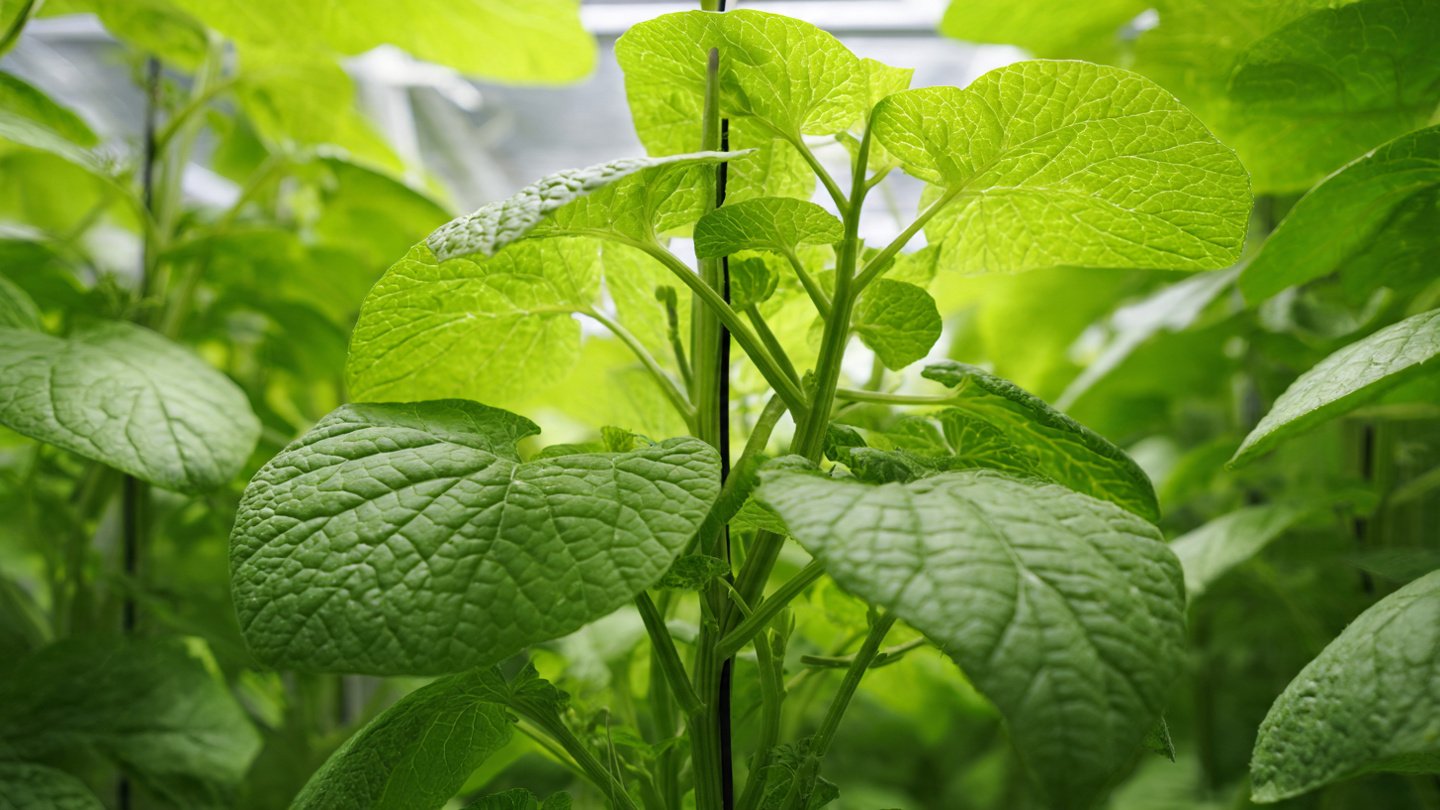

As gardeners, we often strive for the best yields and vibrant growth in our vegetable patches. Pruning can play a crucial role in achieving these goals, but it must be executed with precision and care. Unfortunately, many gardeners make one essential mistake that can stunt vegetable growth: improper pruning techniques. In this comprehensive article, we will delve into the intricacies of pruning, explore common pitfalls, and provide practical tips to ensure optimal growth in your vegetable garden.
Understanding the Basics of Pruning
Pruning is the process of removing specific parts of a plant, such as branches, buds, or roots, to enhance its growth, shape, and productivity. Understanding why and how to prune can bolster your gardening success.
The Benefits of Pruning Vegetables
- Improved Air Circulation: Pruning helps in maintaining good airflow, which reduces the risk of fungal infections and diseases.
- Increased Sunlight Penetration: Removing excess foliage allows sunlight to reach all parts of the plant, fostering photosynthesis and growth.
- Enhanced Nutrient Distribution: By cutting away crowded branches, remaining parts of the plant can absorb nutrients more effectively.
- Stimulated Growth: Strategic cuts can encourage healthy new growth and fruit production.
Common Types of Pruning
- Thin Pruning: Removing excess branches to improve light and air penetration.
- Heading Back: Cutting back the tips of branches to promote bushier growth.
- Shearing or Topping: Often used for ornamental plants, this technique is rarely suitable for vegetable crops.
The Essential Pruning Mistake
While the benefits of pruning are clear, many gardeners make a critical mistake: over-pruning or inappropriate timing. This often results in reduced yields, stunted growth, and weakened plants. To understand how this can happen, let’s explore the nuances of proper pruning techniques.
Over-Pruning: The Consequences
Over-pruning refers to the excessive removal of foliage or branches, which can be detrimental to plant health. Here are a few ways in which over-pruning stunts vegetable growth:
- Loss of Photosynthetic Capacity: Leaves are responsible for photosynthesis, the process through which plants convert sunlight into energy. Removing too many leaves can hinder a plant’s overall energy production, leading to sluggish growth.
- Shock and Stress: Pruning induces stress in plants, which can temporarily halt growth. Over-pruning exacerbates this effect, leaving plants vulnerable to pests and diseases.
- Reduced Fruit and Vegetable Production: Many vegetables require a certain amount of foliage to produce flowers and fruits. Removing too many leaves can result in lower yields.
Inappropriate Timing
Timing is crucial when it comes to pruning. Pruning at the wrong time can lead to:
- Disruption of Growth Cycles: Different plants have specific growth cycles. Pruning when a plant is actively growing can lead to excessive sap loss, while pruning during dormancy can hinder development in spring.
- Increased Susceptibility to Pests: Pruning in late summer or fall can expose fresh cuts to pests that are active during those times.
To optimize pruning efforts, understanding the growth patterns of specific vegetables—like tomatoes, peppers, and cucumbers—is essential.
Guidelines for Pruning Success
1. Know Your Vegetables
Different vegetables have unique growth habits and require distinct pruning techniques. For instance:
- Tomatoes: Indeterminate varieties benefit from thinning to promote airflow but should never be excessively pruned.
- Peppers: These plants can be lightly pruned to remove lower leaves that touch the soil, reducing the risk of disease without compromising growth.
- Cucumbers: These vining plants can be pruned to manage growth but require leaves to produce fruit.
2. Pruning at the Right Time
- Early in the Season: Aim to prune vegetable plants in spring when they are just awakening from dormancy. This prepares them for vigorous growth as they enter the growing season.
- After Harvest: For perennial vegetables like asparagus or rhubarb, pruning is best done post-harvest to encourage new growth the following season.
3. Use Sharp, Clean Tools
Investing in quality pruning shears or scissors is vital. Clean cuts promote healing and minimize disease risk.
4. Prune with Purpose
Every cut should serve a specific purpose. As a rule of thumb, never remove more than one-third of the plant’s foliage at one time.
5. Observe and Learn
Take note of how your plants respond to pruning. Some might thrive with light trimming, while others may require more attention. Adapt your techniques based on the feedback you receive from your plants.
Alternatives to Pruning
If you’re concerned about the impacts of pruning, consider these alternatives that can also enhance growth:
1. Strategic Planting
Instead of aggressive pruning, space your vegetable plants appropriately to reduce overcrowding.
2. Companion Planting
Choose companion plants that support each other’s growth and resist pests, reducing the need for pruning.
3. Regular Maintenance
Instead of relying solely on pruning, perform regular maintenance such as weeding, watering, and fertilizing to encourage healthy growth.
Conclusion
Pruning is an essential component of vegetable gardening that can either enhance or impede growth, depending on how it’s done. Understanding the integral role of foliage, the timing of cuts, and the nature of your plants will help you avoid the common mistake of over-pruning.
By honing your pruning skills and adapting to your garden’s unique needs, you can cultivate a thriving vegetable patch. Remember, the goal is not just to prune but to encourage overall health, vigor, and productivity in your plants. With patience and diligence, your vegetable garden will flourish, yielding a bountiful harvest that fills your table with fresh, homegrown produce.