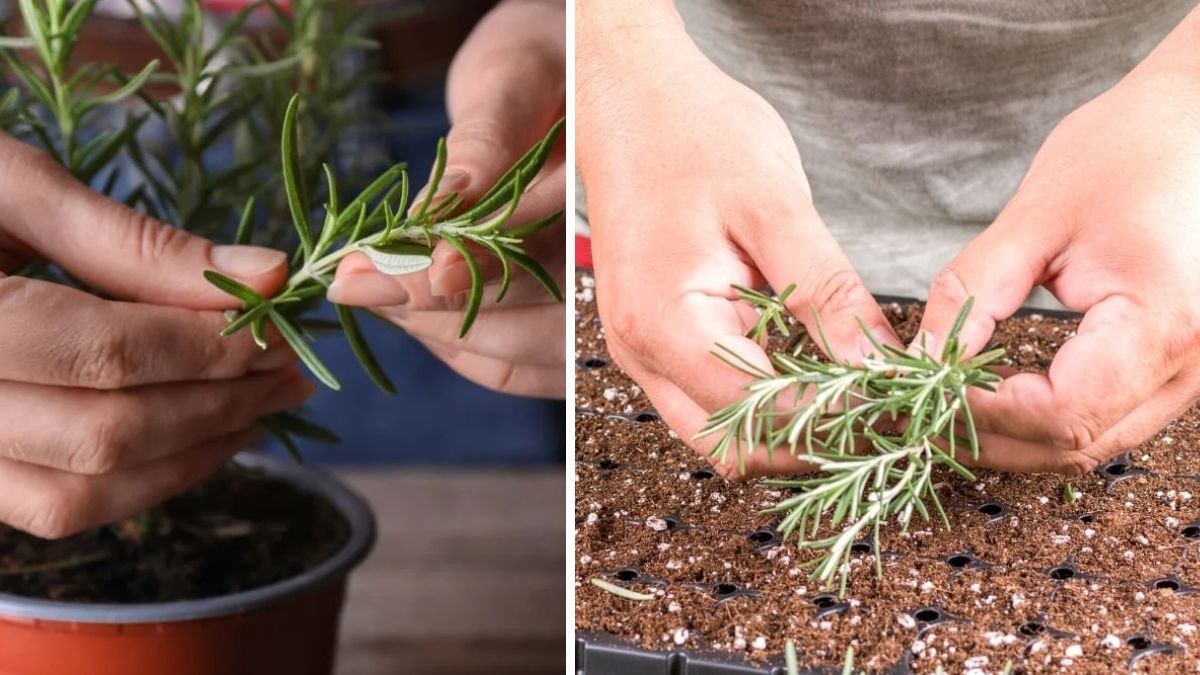

Growing rosemary from softwood cuttings is a rewarding and relatively easy gardening project, especially for beginners. Rosemary (Salvia rosmarinus) is a versatile herb known for its aromatic leaves and culinary uses, making it a wonderful addition to any garden or kitchen. This article will guide you step-by-step through the process of propagating rosemary from cuttings, complete with tips for success and a FAQs section at the end.
Understanding Rosemary
Before delving into the propagation process, it’s essential to understand what rosemary is and what it needs to thrive. This evergreen herb prefers full sunlight but can tolerate partial shade. It is drought-resistant and thrives in well-draining soil, making it ideal for many climates. Rosemary is also known for its ability to repel pests, making it an excellent companion plant in your garden.
Benefits of Growing Rosemary
- Culinary Uses: Rosemary adds flavor to various dishes, including meats, soups, and breads.
- Aromatic Qualities: The scent of rosemary can enhance any space, making it perfect for indoor or outdoor gardens.
- Medicinal Properties: Rosemary is known for its potential health benefits, including antioxidant and anti-inflammatory properties.
- Low Maintenance: Once established, rosemary is relatively easy to care for, requiring minimal water.
Step-by-Step Guide to Growing Rosemary from Softwood Cuttings
Materials Needed
- Healthy Rosemary Plant: Choose a healthy mother plant from which to take cuttings.
- Sharp Pruning Shears: For clean cuts, minimizing damage to the plant.
- Small Pots or Seedling Trays: For planting the cuttings.
- Well-draining Potting Mix: A mix designed for herbs or a combination of peat and perlite works well.
- Plastic Bag or Cling Film: To create a humid environment for the cuttings.
- Water: For misting and watering in the potting mix.
- Rooting Hormone (optional): Encourages faster root development.
Step 1: Prepare Your Cuttings
-
Choose the Right Time: The best time to take softwood cuttings from rosemary is in late spring to early summer when the growth is vigorous.
-
Select Healthy Shoots: Look for healthy, non-flowering stems that are firm and green but not too woody. Avoid any signs of disease or pest infestation.
-
Take the Cuttings:
- Use your sharp pruning shears to snip off a 4-6 inch (10-15 cm) length of stem just below a leaf node.
- Make sure each cutting has at least a few healthy leaves.
Step 2: Prepare the Cuttings for Rooting
-
Remove Excess Leaves: Trim off the lower leaves from the cutting, leaving at least two or three leaves at the top. This minimizes moisture loss and supports rooting.
-
Optional Step – Rooting Hormone: If desired, dip the cut end of the cutting in rooting hormone. This step can help encourage faster and more substantial root development.
Step 3: Plant the Cuttings
-
Fill Pots with Potting Mix: Fill your small pots or seedling trays with a well-draining potting mix. Moisten the mix slightly but ensure it’s not soaking wet.
-
Make a Hole for the Cutting: Use a pencil or your finger to create a small hole in the potting mix.
-
Insert the Cuttings: Place the cut end of the rosemary cutting into the hole, ensuring that it is deep enough to stand upright but not buried too deeply.
-
Firm the Soil: Gently press the potting mix around the cutting to hold it in place.
Step 4: Create a Humid Environment
-
Cover the Cuttings: Use a plastic bag or cling film to create a mini greenhouse effect over the pots. This keeps the humidity high, which is crucial for rooting.
-
Ensure Ventilation: If using a plastic bag, make sure to poke a few holes for ventilation to prevent mold growth.
Step 5: Water and Care for the Cuttings
-
Water Sparingly: Mist the cuttings regularly to keep the humidity high but avoid overwatering. The soil should be moist but not soggy.
-
Place in Indirect Light: Keep the pots in a warm, well-lit area, but avoid direct sunlight until the cuttings have rooted.
-
Monitor Growth: Check the cuttings every few days for signs of growth. In 4-6 weeks, you should see new growth if rooting has been successful.
Step 6: Transplanting the Cuttings
-
Check for Roots: After about 4-6 weeks, gently tug on a cutting. If you feel resistance, roots have likely formed.
-
Time to Transplant: When the cuttings are well-rooted, it’s time to transplant them into larger pots or into your garden.
-
Transition Gradually: If moving outside, harden off the young plants gradually by exposing them to outdoor conditions for a few hours each day, increasing the time over a week.
-
Plant According to Guidelines: If planting in the garden, ensure they have full sun and well-draining soil.
Step 7: Caring for Established Rosemary Plants
-
Watering: Rosemary prefers dry conditions. Water only when the top inch of soil is dry.
-
Fertilizing: Feed your rosemary plant with a balanced fertilizer during the growing season for optimal growth.
-
Pruning: Regularly trim to remove dead or woody stems and promote bushiness.
-
Watch for Pests and Diseases: Common issues include aphids and powdery mildew. Regularly inspect your plants and treat them as needed.
FAQs
1. How long does it take for rosemary cuttings to root?
Rosemary cuttings usually take about 4-6 weeks to develop roots, but this can vary based on environmental conditions.
2. Can I grow rosemary indoors from cuttings?
Yes, rosemary can be grown indoors, but ensure it receives enough sunlight (6-8 hours a day) and good air circulation.
3. What kind of soil should I use for rosemary cuttings?
A well-draining potting mix is ideal. You can also mix regular potting soil with perlite or sand for better drainage.
4. Do I need to use rooting hormone for rosemary cuttings?
While rooting hormone can promote faster root development, it’s not strictly necessary. Many gardeners successfully propagate rosemary without it.
5. How can I tell if my rosemary cuttings are failing?
Signs of failure include yellowing leaves, wilting, or mold growth. If you notice these signs, it’s best to check the moisture levels and ensure proper air circulation.
6. What is the best time of year to take rosemary cuttings?
Late spring to early summer is the best time to take softwood cuttings from rosemary, as the plant is actively growing.
7. Can I propagate rosemary from store-bought plants?
Yes, you can take cuttings from healthy, fresh rosemary plants purchased at the store, as long as they are not treated with growth inhibitors.
Conclusion
Growing rosemary from softwood cuttings is an accessible and fulfilling gardening project for beginners. With the right approach and a little patience, you can enjoy the many benefits of this fragrant herb in your home and kitchen. Follow the steps outlined in this guide for a successful propagation experience and enjoy your journey into the world of gardening!