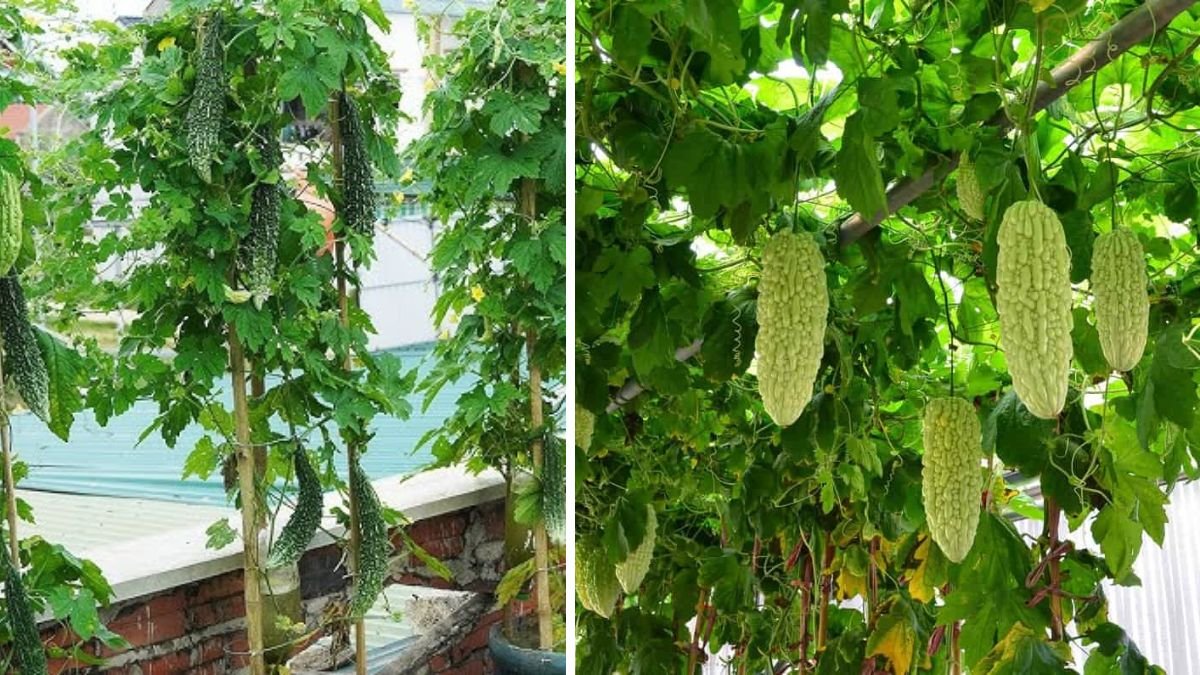

Bitter gourd, also known as bitter melon or Momordica charantia, is a tropical and subtropical vine that produces a distinctive, bumpy fruit with a bitter flavor. It offers numerous health benefits, including aiding digestion and lowering blood sugar levels. As a backyard gardener, cultivating this unique vegetable can be both rewarding and productive. Here, we explore simple techniques for growing high-yield bitter gourd, ensuring your garden is a beautiful and bountiful source of this nutritious vegetable.
Choosing the Right Variety
Native vs. Hybrid
Before you start planting, it’s essential to select the right variety of bitter gourd. Native varieties are often more resilient to local diseases and pests, while hybrid varieties typically yield more fruit and have enhanced flavor profiles. Some popular varieties include:
- Chinese Bitter Gourd: Characterized by its elongated shape and pronounced bitterness.
- Indian Bitter Gourd: Short and round with a more intense bitterness, commonly used in curries.
- Tropical Bitter Gourd: Adapted for warm climates, ideal for growing in backyards.
Local Considerations
Make sure to consult with local gardening experts or extension services to choose the best-suited variety for your region. This ensures that you’re considering local climate and soil conditions, which can significantly impact your yield.
Setting Up the Garden
Soil Preparation
Bitter gourd thrives in well-drained, nutrient-rich soil with a pH level between 6.0 and 7.5. Here’s how to prepare your soil effectively:
- Testing the Soil: Use a DIY soil testing kit to assess pH levels and nutrient content. Amend the soil based on the results.
- Adding Organic Matter: Mix compost or well-rotted manure into the soil to increase nutrients.
- Drainage: Ensure that there’s adequate drainage by breaking up compacted soil and adding perlite or sand if needed.
Setting Up the Structure
Bitter gourd is a climber, so providing a support structure will enhance growth and save space:
- Vertical Trellis: Construct a trellis using wooden stakes and chicken wire or strings. The taller the trellis, the better, as bitter gourd vines can reach up to 10 feet.
- Repurposed Materials: Look for old fences, wooden pallets, or even garden arches to support the vines.
Planting Bitter Gourd
Timing
Bitter gourd thrives in warm weather. The best time to plant is in spring or early summer when nighttime temperatures consistently reach above 64°F (18°C).
Seed Preparation
- Soaking Seeds: Soak seeds in water for 24 hours to enhance germination rates. This helps soften the seed coat and initiates the growth process.
- Planting Depth: Plant seeds about 1-2 inches (2.5-5 cm) deep in prepared soil, spacing them around 2 feet (60 cm) apart to allow for growth.
Watering
Keep the soil evenly moist, especially during germination, but avoid waterlogging. Once the plants are established, reduce watering to encourage deep root growth.
Maintenance Techniques
Fertilization
Bitter gourd benefits from regular fertilization throughout its growth cycle:
- Organic Fertilizers: Use fish emulsion or compost tea every 3-4 weeks for a nutrient boost.
- Balanced Fertilizers: Incorporate a balanced NPK (Nitrogen, Phosphorus, Potassium) fertilizer during flowering to promote fruit set.
Pruning and Training
Regular pruning helps to manage growth and encourages more fruit production:
- Regular Trimming: Trim excess foliage to improve air circulation and focus energy on fruit development.
- Training the Vines: Guide the vines onto the trellis. This circumstance helps sunlight reach all parts of the plant, enabling better growth and fruit development.
Pest and Disease Management
Bitter gourd is susceptible to various pests and diseases, including aphids, fruit flies, and powdery mildew. Here are some preventative measures:
- Natural Predators: Encourage beneficial insects like ladybugs, which eat aphids.
- Neem Oil Spray: Use neem oil as a natural pesticide against pests.
- Crop Rotation: Avoid planting bitter gourd in the same spot year after year to prevent soil-borne diseases.
Harvesting
Timing Your Harvest
Bitter gourd is typically ready for harvest 60-90 days after planting. The key signs are:
- Size: The fruit should be around 4-6 inches (10-15 cm) long at maturity.
- Color: The color shifts from bright green to a darker shade.
- Texture: The skin should be firm; avoid overripe fruits as they become soft and excessively bitter.
Harvesting Technique
Use a sharp knife or scissors to cut the fruit, leaving a small portion of the stem attached to avoid damaging the vine. Regular harvesting encourages the plant to produce more fruit.
Post-Harvest Care
After harvesting, it’s essential to handle bitter gourd properly:
- Storage: Store unwashed bitter gourds in a cool place or refrigerate them for up to a week. Avoid washing them until you’re ready to use them.
- Preservation: Bitter gourd can also be blanched and frozen for long-term storage.
Companion Planting
Companion planting can help maximize yields and deter pests. Consider planting bitter gourd alongside:
- Marigolds: They attract pollinators and deter harmful insects.
- Basil: This aromatic herb can repel pests such as aphids and flies.
- Corn: Provides natural support for the climbing vines.
FAQs
1. How much sunlight does bitter gourd need?
Bitter gourd requires full sun, so ensure it receives at least 6-8 hours of direct sunlight daily for optimal growth and fruit production.
2. Can I grow bitter gourd in containers?
Yes, bitter gourd can be grown in large containers (at least 5 gallons) as long as they have drainage holes and nutrient-rich soil.
3. What should I do if my bitter gourd plants are not flowering?
Lack of flowers could be due to insufficient nutrients, water stress, or poor light conditions. Ensure that the plants are well-fed, watered adequately, and receive enough sunlight.
4. How can I make bitter gourd less bitter?
To reduce bitterness, soak the sliced bitter gourd in salt water for 30 minutes before cooking. Rinsing before use helps alleviate some of the bitter taste.
5. Is bitter gourd suitable for all types of soil?
While bitter gourd prefers well-drained, loamy soil, it can adapt to various soil types. However, avoid heavy clay soils that retain moisture, as they can lead to root rot.
Conclusion
Growing high-yield bitter gourd in your backyard garden is not just about having a delicious and nutritious vegetable on hand; it’s about embracing a rewarding gardening experience. By choosing the right variety, preparing your garden thoughtfully, maintaining the plants properly, and harvesting at the right time, you can enjoy a prolific supply of this unique gourd. With a little effort and care, your backyard can become a vibrant source of health and flavor. Happy gardening!