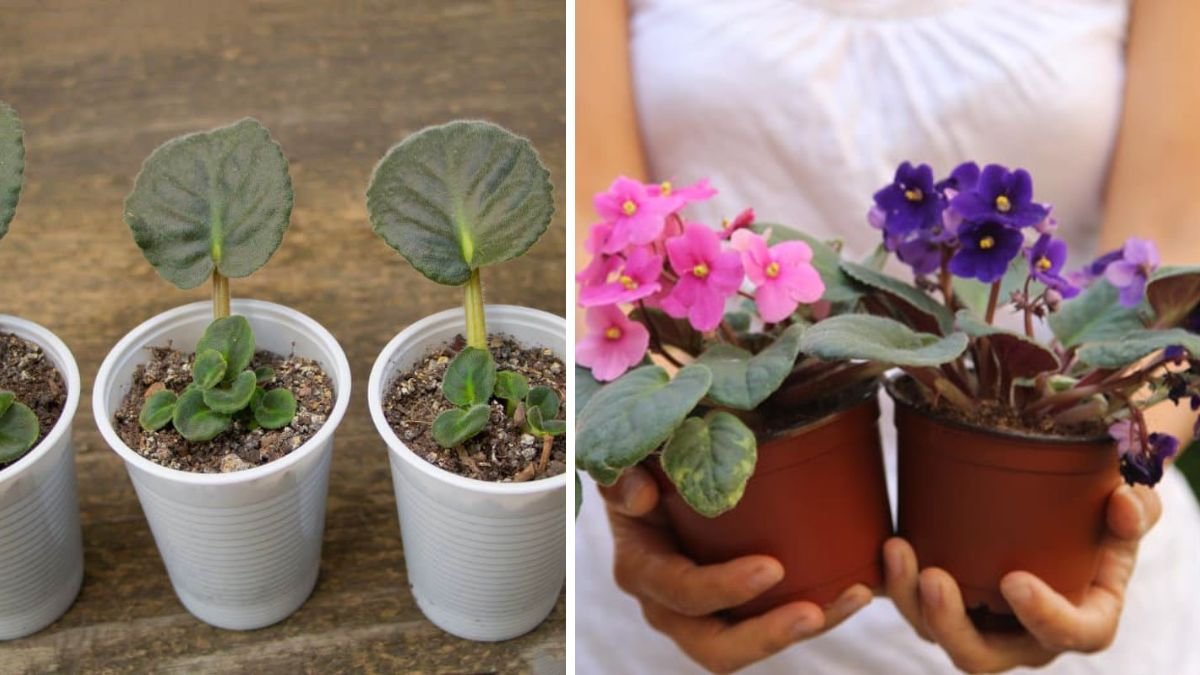

African violets (Saintpaulia) are beloved houseplants known for their vibrant flowers and attractive fuzzy leaves. They are relatively easy to care for and can offer a sense of accomplishment as you watch your plants thrive. One of the most popular and straightforward methods to propagate these beauties is through leaf cuttings. If you’re a beginner looking to expand your African violet collection or simply share them with friends, here’s a comprehensive guide to propagating African violets from leaves.
Understanding African Violets
Before diving into the propagation process, it’s essential to understand a bit about African violets. Native to East Africa, these plants thrive in bright, indirect sunlight and prefer well-draining soil. They are sensitive to overwatering, so understanding their growth patterns is essential for successful propagation.
Why Propagate from Leaves?
- Cost-effective: Propagating from leaf cuttings is an economical way to create new plants without spending money on new ones.
- Cloning: Leaf propagation creates clones of the parent plant, ensuring that the new plants exhibit the same characteristics.
- Joy of Gardening: Watching new plants develop from a single leaf can be rewarding and satisfying.
Step-by-Step Guide to Propagating African Violets
Step 1: Gather Your Supplies
Before beginning, prepare the following materials:
- Healthy African violet plant: Choose a plant that is free from pests and diseases.
- Sharp, sterile knife or scissors: For clean cuts.
- Small pots or propagation trays: Preferably 2-3 inch pots.
- Well-draining soil: A mix designed for African violets or a combination of peat moss, perlite, and vermiculite.
- Water: Use distilled or room temperature water to avoid shocking the plants.
- Plastic wrap or a humidity dome: To help retain moisture.
- Optional: Rooting hormone to enhance root growth.
Step 2: Select the Right Leaf
Choose a healthy, mature leaf from your African violet plant. Avoid leaves that are:
- Brown or yellowing
- Damaged or wilted
- Very old or very young
Opt for a medium-sized leaf, as overly large or small leaves may not propagate effectively.
Step 3: Cut the Leaf
Using your sterile knife or scissors:
- Locate the base of the leaf stem.
- Make a clean cut at a 45-degree angle, ensuring the leaf stem (petiole) is about 1-2 inches long.
Cutting at an angle increases the surface area for rooting while preventing water from pooling on the cut end.
Step 4: Allow the Cutting to Callus
After cutting, let the leaf sit in a dry location for a few hours, or even up to 24 hours, to form a callus at the cut end. This step reduces the risk of rot when you place the leaf in the soil.
Step 5: Prepare the Potting Mix
Fill your small pots or propagation trays with well-draining soil. Ensure the mix is moist but not soggy. You can use a mix designed specifically for African violets or make your own by combining equal parts of peat moss, perlite, and vermiculite.
Step 6: Plant the Leaf Cutting
- Make a small hole in the soil using your finger or a pencil.
- Insert the cut end of the leaf stem into the hole, burying it about 1 inch deep.
- Gently press the soil around the stem to secure it.
Step 7: Water the Cutting
Lightly water the planting area, ensuring that the soil is moist but not overly saturated. Place excess water in the drainage tray, allowing it to absorb through the drainage holes.
Step 8: Create a Humid Environment
To encourage rooting, cover the pot with plastic wrap or place it under a humidity dome. This helps retain moisture.
Tip:
Ensure that there is some airflow to prevent mold. A small hole in the plastic wrap or a slightly ajar humidity dome can achieve this.
Step 9: Provide Proper Light Conditions
Place your pots in a warm location with bright, indirect sunlight. Direct sunlight can scorch the leaves, so avoid placing them near windows that receive harsh light. A north or east-facing window is ideal.
Step 10: Monitor and Maintain
Check the soil moisture regularly. Keep it consistently moist but never soggy. Remove the covering for short periods to allow the leaf to breathe.
Step 11: Transplanting
After approximately 6 to 8 weeks, you should see small plantlets emerging around the base of the leaf. Once the plantlets grow to about 2 inches tall and develop a few sets of leaves, they can be carefully removed and transplanted into their own pots.
- Moisten the soil before removing the plantlets.
- Use your fingers to gently lift them out, avoiding damage to the roots.
- Transplant each plantlet into its pot with fresh soil.
Caring for Your New African Violets
Now that your new plants are potted, here are some care tips to ensure they thrive:
- Watering: Water only when the top inch of soil feels dry. African violets prefer to be under-watered than over-watered.
- Light: Ensure they receive bright, indirect sunlight. Supplemental grow lights can enhance growth if natural light is insufficient.
- Fertilizing: Use a balanced fertilizer every four to six weeks during the growing season. A fertilizer designed for African violets works best.
- Humidity: Maintain a humidity level of around 50-70%. You can achieve this by misting the plants or placing them on a pebble tray filled with water.
- Pruning: Regularly remove dead leaves and spent blooms to promote healthy growth and flowering.
FAQs
1. How long does it take to propagate African violets from leaf cuttings?
It typically takes 6 to 8 weeks for roots to develop and plantlets to begin growing.
2. Can I propagate African violets directly in water?
While some gardeners do propagate in water, it’s generally not recommended for African violets as they prefer to root in soil. Water may cause the cut end to rot.
3. What should I do if my leaf cutting starts to rot?
If you notice rot at the cut end, remove the leaf immediately. If possible, make a new cutting and allow it to callus before attempting to propagate again.
4. Can I use any leaf from my African violet?
It’s best to use healthy, mature leaves. Avoid using leaves that are brown, yellow, or damaged.
5. How much light do African violets need?
African violets thrive in bright, indirect sunlight. Avoid direct sunlight, which can scorch their leaves.
6. Do I need to use rooting hormone?
Rooting hormone is not necessary for African violets but can enhance root growth and speed up the process. It is optional.
7. What if no plantlets appear?
If plantlets don’t appear after 8 weeks, double-check that your conditions (light, humidity, and moisture) are ideal. Patience is key; sometimes, it can take longer for them to develop.
8. How can I ensure healthy growth for the plantlets?
Once transplanted, give them the same care you would give mature African violets, focusing on light, watering, and fertilization habits.
Conclusion
Propagating African violets from leaf cuttings is a rewarding gardening activity, perfect for beginners. With just a few simple steps, you can expand your collection and enjoy the beauty of these charming plants. Happy gardening!