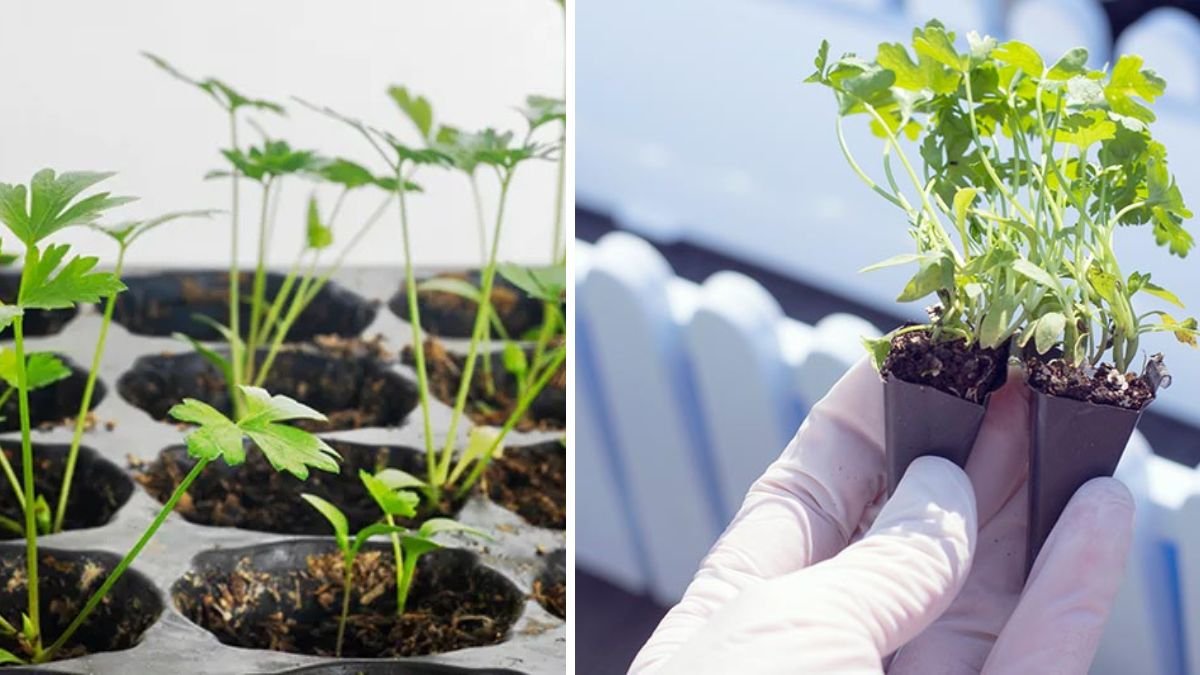

Growing your own parsley can be a fulfilling and practical endeavor, whether you’re an experienced gardener or just starting out. Parsley (Petroselinum crispum) is not only a versatile herb in the kitchen, but it also has a plethora of health benefits. With a bit of knowledge and the right techniques, you can effortlessly germinate parsley seeds at home. This guide will walk you through each step of the process, ensuring that you have a thriving herb garden in no time.
Understanding Parsley
Before diving into the germination process, it’s important to grasp some basic information about parsley. There are two primary types of parsley:
- Curly Parsley: Often used as a garnish, this variety has a frilly leaf structure and is popular in culinary dishes.
- Flat-leaf Parsley (Italian Parsley): Known for its robust flavor, flat-leaf parsley is favored in cooking and can be used in a variety of dishes, from salads to sauces.
Benefits of Growing Parsley
- Nutritional Value: Parsley is packed with vitamins A, C, and K, as well as essential minerals like iron and potassium.
- Culinary Uses: It enhances the flavor of many dishes, making it a staple in kitchens worldwide.
- Medicinal Properties: Traditionally used for its anti-inflammatory and antioxidant properties, parsley can be a beneficial herb for overall health.
Step-by-Step Guide to Germinate Parsley Seeds
Step 1: Gather Your Materials
To prepare for germination, you’ll need:
- Parsley Seeds: Purchase high-quality seeds from a reputable supplier.
- Containers: Seed trays, pots, or biodegradable pots works well.
- Potting Mix: A lightweight seed-starting mix is ideal.
- Watering Can: To ensure gentle watering.
- Plastic Wrap or a Humidity Dome: Helps maintain moisture levels.
Step 2: Prep Your Seeds
Parsley seeds can be a bit tricky because they have a tough outer shell. To enhance germination:
- Soak the Seeds: Place your seeds in a bowl and cover them with water. Soak them for 24 hours to start the germination process. This softens the seed coat and allows for better water absorption.
- Stratification: Parsley seeds benefit from a period of cold for optimal germination. After soaking, you can either plant them directly or keep them in the refrigerator for about two weeks. This mimics natural conditions and can enhance germination rates.
Step 3: Prepare the Soil
- Fill Containers: Fill your chosen containers with the seed-starting mix, leaving about ½ inch of space at the top.
- Moisten the Soil: Water the potting mix lightly before planting. The soil should be damp but not soggy.
- Level the Surface: Smooth the surface of the soil to create an even planting area.
Step 4: Plant the Seeds
- Sowing Depth: Make small holes in the soil, about 1/4 inch deep. You can plant 2-3 seeds in each hole to increase your chances of germination.
- Cover Seeds: Gently cover the seeds with soil, ensuring they are well buried but not too deep.
- Label: If planting various herbs or vegetables simultaneously, label each container to identify them easily.
Step 5: Water Gently
- Initial Watering: After planting, give the seeds a gentle initial watering to settle the soil around them.
- Ongoing Care: Use a spray bottle or a fine watering can to avoid disturbing the soil. Keep the soil consistently moist but not waterlogged.
Step 6: Create a Humid Environment
- Covering: Use plastic wrap over the containers or place them under a humidity dome to maintain moisture. This step is crucial for keeping the environment suitable for germination.
- Light Exposure: Place your containers in a warm spot with indirect sunlight. Parsley seeds germinate best at temperatures between 70°F and 75°F (21°C to 24°C).
Step 7: Monitor Germination
- Check Daily: Monitor your seeds daily, ensuring that they remain moist. Remove the plastic wrap or humidity dome once the seeds begin to sprout, usually within 14 to 30 days.
- Thinning: Once seedlings are a few inches tall, thin them out to one seedling per hole to give each plant enough space to grow. Use scissors to snip the weaker shoots at the soil line.
Step 8: Caring for Your Seedlings
- Sunlight: Ensure your parsley plants get at least 6 hours of indirect sunlight each day. If natural light is insufficient, consider using grow lights.
- Watering: Water regularly and monitor the moisture level. Aim for moist soil, but avoid water pooling.
- Fertilizing: After a few weeks, you can start feeding your seedlings with a diluted liquid fertilizer every few weeks to promote growth.
Step 9: Transplanting Your Parsley
If you started your seeds indoors, you may want to transplant them outdoors when they’re 2-3 inches tall and have at least two sets of true leaves:
- Timing: Transplant after the last frost of spring. Parsley can tolerate cooler temperatures, but it’s best to err on the side of caution.
- Location: Choose a sunny spot with well-drained soil. Parsley thrives in nutrient-rich environments.
- Spacing: Space plants about 10-12 inches apart to allow for growth.
Step 10: Ongoing Support
- Mulching: Apply a layer of mulch around the plants to retain moisture and suppress weeds.
- Weed Management: Regularly check for weeds and remove them to reduce competition for nutrients.
- Pest Control: Keep an eye out for common pests like aphids or caterpillars. If you notice any, use insecticidal soap or neem oil to manage them.
FAQ Section
1. How long does it take for parsley seeds to germinate?
Parsley seeds typically take 14 to 30 days to germinate, depending on the conditions. Warmth, moisture, and light play critical roles in the germination process.
2. Can I grow parsley indoors?
Yes! Parsley can be successfully grown indoors. Ensure that your containers receive enough light (6-8 hours of indirect sunlight or grow lights) and maintain adequate moisture levels.
3. How often should I water parsley seeds?
Water parsley seeds gently and consistently to keep the soil moist but not soggy. Once established, you can reduce the frequency, watering every few days or when the top layer of soil feels dry.
4. Is it necessary to soak parsley seeds?
Soaking parsley seeds is beneficial because it softens the seed coat and can help with quicker and more uniform germination. However, if you prefer not to soak them, you can still achieve success with proper care.
5. What type of soil is best for growing parsley?
A well-draining, nutrient-rich soil is ideal for growing parsley. A seed-starting mix or a potting soil combined with organic matter like compost will provide a great growing environment.
6. How can I preserve my parsley harvest?
To preserve parsley, you can dry it, freeze it, or use it in cooking. For freezing, chop fresh parsley and add it to ice cube trays with water or olive oil, then freeze.
7. Can I grow parsley year-round?
In many climates, parsley is a biennial plant and can grow year-round in mild conditions. If you live in colder areas, consider growing parsley indoors or in a greenhouse during the winter months.
Conclusion
Germinating parsley seeds at home is a straightforward process that rewards you with fresh herbs for culinary endeavors and health benefits. By following these simple steps—from preparation to ongoing care—you can effortlessly cultivate parsley that thrives in your garden or kitchen. With a little patience and dedication, you’ll be enjoying your homegrown parsley in various dishes, enhancing both your meals and your gardening skills. Happy planting!