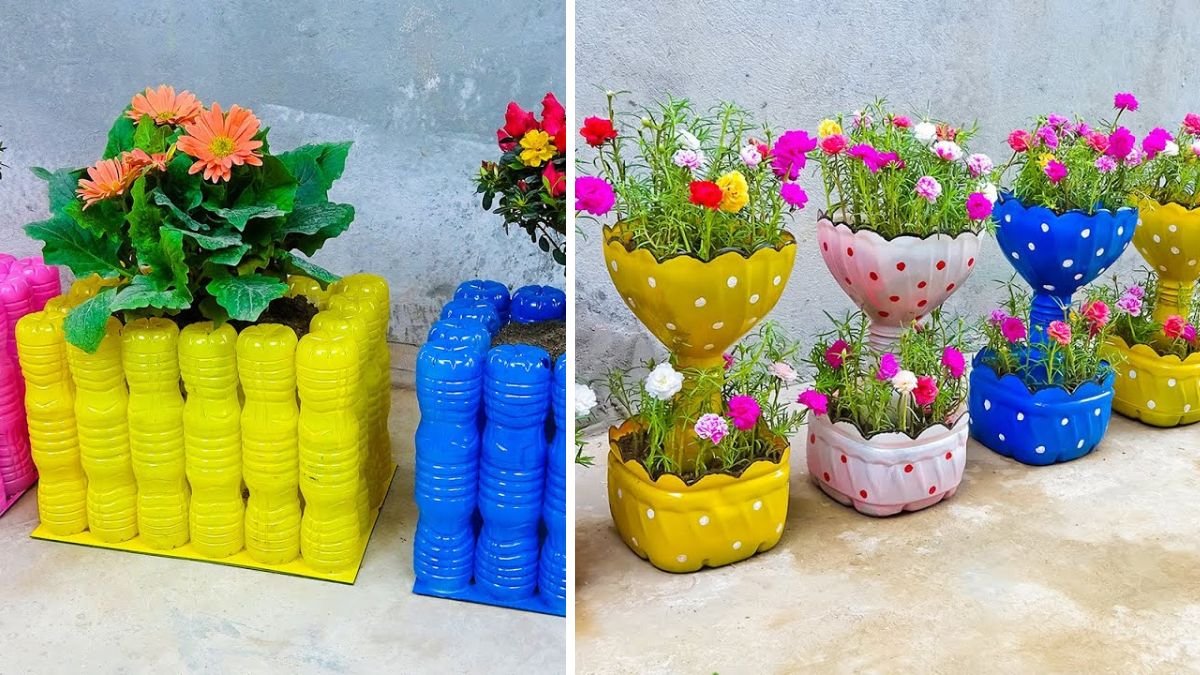

Plastic pollution has become one of the most urgent environmental challenges of our time. Every year, millions of plastic bottles are discarded after a single use, many of them ending up in landfills, rivers, and oceans where they can take hundreds of years to decompose. While large-scale recycling systems play an important role, they are often limited by cost, infrastructure, and contamination issues. This is where creative reuse steps in.
Learning how to recycle plastic bottles into beautiful flower pots is a simple yet powerful way to reduce waste, promote sustainability, and add a personal decorative touch to your home or garden. What started as small DIY craft projects has now grown into a global trend embraced by eco-conscious individuals, schools, community workshops, and sustainability advocates.
Why Recycling Plastic Bottles into Flower Pots Matters
Plastic bottles, especially those made from PET and HDPE, are lightweight, durable, and widely available. Instead of throwing them away, repurposing them into flower pots extends their lifespan and keeps them out of the waste stream. This form of upcycling not only reduces plastic pollution but also encourages people to rethink how they consume and dispose of everyday items.
Gardening with recycled materials also supports sustainable living by promoting greenery, improving air quality, and encouraging urban gardening practices. For people living in apartments or small homes, bottle planters make it possible to grow herbs, flowers, or small vegetables in limited spaces such as balconies, windowsills, and rooftops.
Beyond environmental benefits, these projects are cost-effective, educational, and creatively satisfying. They offer an easy entry point into sustainable habits without requiring specialized tools or expensive materials.
Growing Popularity of DIY Upcycled Planters
In recent years, interest in eco-friendly DIY projects has surged. Sustainability workshops, school programs, and community initiatives increasingly include activities focused on turning plastic bottles into functional items like flower pots and hanging planters. These hands-on projects help participants understand the real-world impact of plastic waste while developing practical skills.
Social media platforms and DIY communities have further fueled this trend by sharing creative designs, step-by-step tutorials, and inspiring before-and-after transformations. From minimalist planters to colorful artistic designs, recycled bottle flower pots now blend functionality with style.
Researchers and sustainability advocates have also explored how plastic waste can be transformed into durable products at a larger scale, reinforcing the idea that plastic does not have to be waste—it can be a resource when handled creatively and responsibly.
How to Recycle Plastic Bottles into Beautiful Flower Pots
Creating flower pots from plastic bottles is straightforward and adaptable to different skill levels. Below are some popular and practical methods.
Simple Bottle Flower Pots
This is the easiest and most beginner-friendly approach.
Start by cleaning an empty plastic bottle and removing the label. Cut the bottle horizontally to your desired height, depending on the type of plant you want to grow. Use a nail or heated tool to create small drainage holes at the bottom to prevent waterlogging. Once prepared, you can paint or decorate the outside using non-toxic, water-based paints or leave it transparent for a minimalist look. Fill the bottle with soil and plant your flowers or herbs.
These simple pots are ideal for windowsills, shelves, and balconies.
Hanging Plastic Bottle Planters
Hanging planters are perfect for saving space and adding vertical greenery.
Cut an opening on the side of the bottle, leaving enough structure to hold soil. Create small holes on opposite sides of the bottle to attach string, rope, or wire. Add drainage holes at the bottom, fill with soil, and plant trailing or lightweight plants such as pothos, ivy, or herbs. Hang the planter on a wall, fence, or balcony railing.
This method works especially well in small urban homes where floor space is limited.
Vertical or Tiered Bottle Flower Pots
Vertical gardens made from plastic bottles are both practical and visually striking.
You can stack bottles vertically using strings, wires, or frames, or arrange them horizontally on a wall. Each bottle acts as an individual planter, allowing you to grow multiple plants in a compact area. This design is popular for growing herbs, succulents, or small flowering plants and is commonly used in schools and community gardens as an educational tool.
Decorative and Themed Bottle Pots
For those who enjoy crafts, plastic bottles can be transformed into themed or character-shaped flower pots. Animal designs, cartoon faces, or geometric patterns are popular choices, especially for children’s gardens or classrooms. These designs add personality and fun while reinforcing environmental awareness in a creative way.
Best Plants for Plastic Bottle Flower Pots
Not all plants require large containers, making many species well-suited for bottle planters. Herbs such as basil, mint, parsley, and cilantro thrive in small pots and are useful for home cooking. Succulents and cacti are low-maintenance options that require minimal watering. Small flowering plants like marigolds, petunias, and pansies also grow well in recycled containers when provided with proper drainage and sunlight.
When choosing plants, consider the depth of the bottle, sunlight availability, and watering needs to ensure healthy growth.
Best Practices for Safe and Sustainable Use
To get the most out of your recycled flower pots, it’s important to follow a few best practices. Always use clean bottles and avoid those that previously contained harmful chemicals. PET and HDPE plastics are generally safer for reuse in gardening projects. Ensure proper drainage to prevent root rot, and avoid exposing painted bottles to extreme heat that could cause paint to peel or plastic to degrade.
Using organic soil and natural fertilizers further enhances the sustainability of your project. Regularly inspect your planters for cracks or wear and replace them when needed.
Community Impact and Educational Value
Recycling plastic bottles into flower pots goes beyond individual benefits. In schools and community centers, these projects serve as practical lessons in environmental responsibility, creativity, and problem-solving. Participants learn firsthand how waste can be transformed into something useful and beautiful.
Community gardens using recycled planters often become symbols of local sustainability efforts, inspiring others to adopt similar practices. These initiatives help build environmental awareness while fostering collaboration and shared responsibility.
The Future of Creative Plastic Recycling
As awareness of plastic pollution continues to grow, creative recycling solutions like bottle flower pots are expected to gain even more popularity. While they may not solve the global plastic crisis on their own, they play a meaningful role in changing mindsets and encouraging sustainable habits at the individual and community level.
By choosing to recycle plastic bottles into beautiful flower pots, people take a small but impactful step toward reducing waste, supporting greener living, and reconnecting with nature through gardening.
Conclusion
Recycling plastic bottles into flower pots is a practical, affordable, and creative way to address plastic waste while enhancing your living space. Whether you’re a beginner looking for a simple DIY project or an eco-enthusiast exploring sustainable gardening ideas, these upcycled planters offer endless possibilities.
With minimal tools and a bit of imagination, discarded plastic bottles can be transformed into attractive flower pots that support both environmental health and personal well-being. Small actions like this, repeated across households and communities, can collectively make a meaningful difference for the planet.